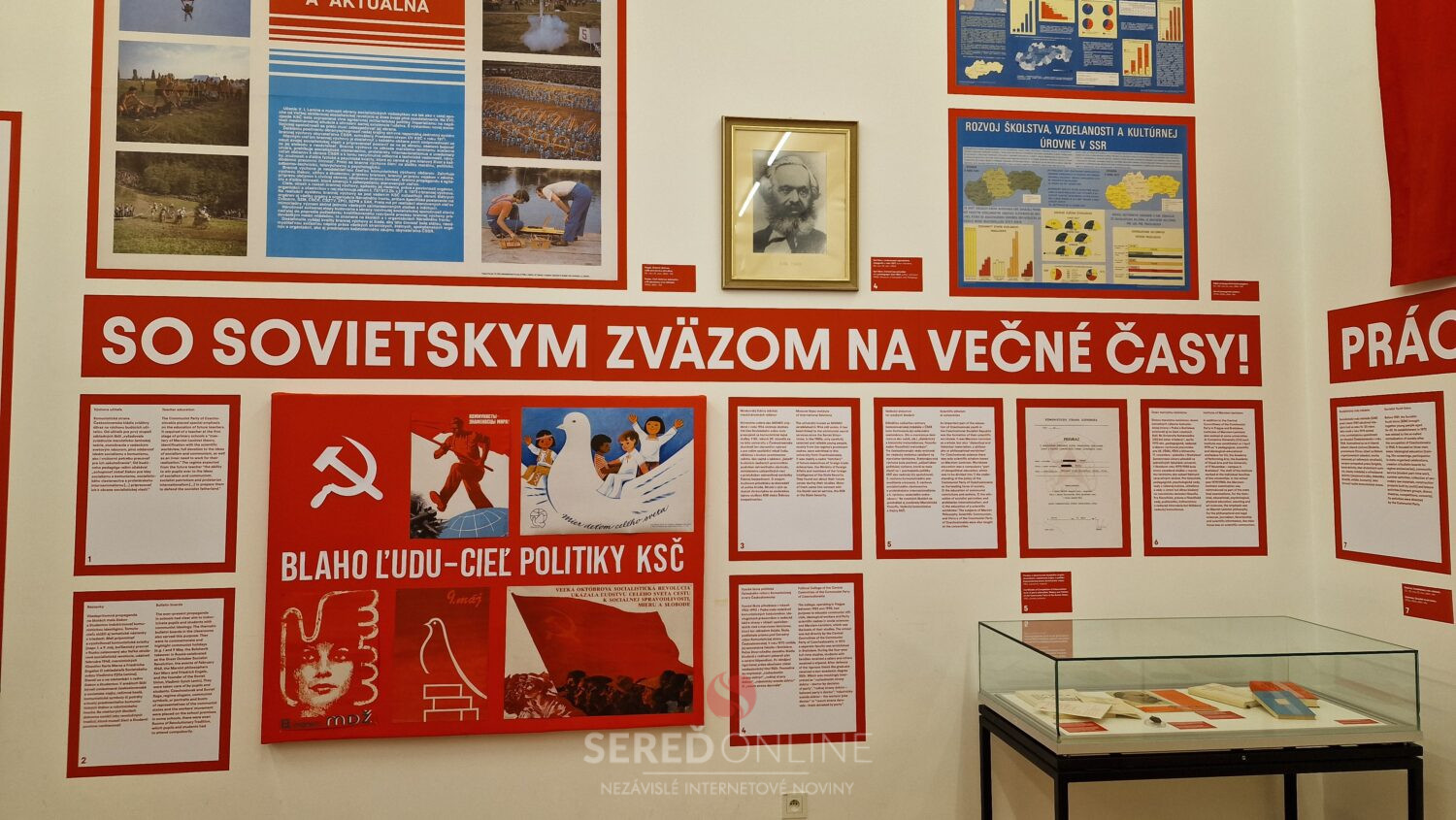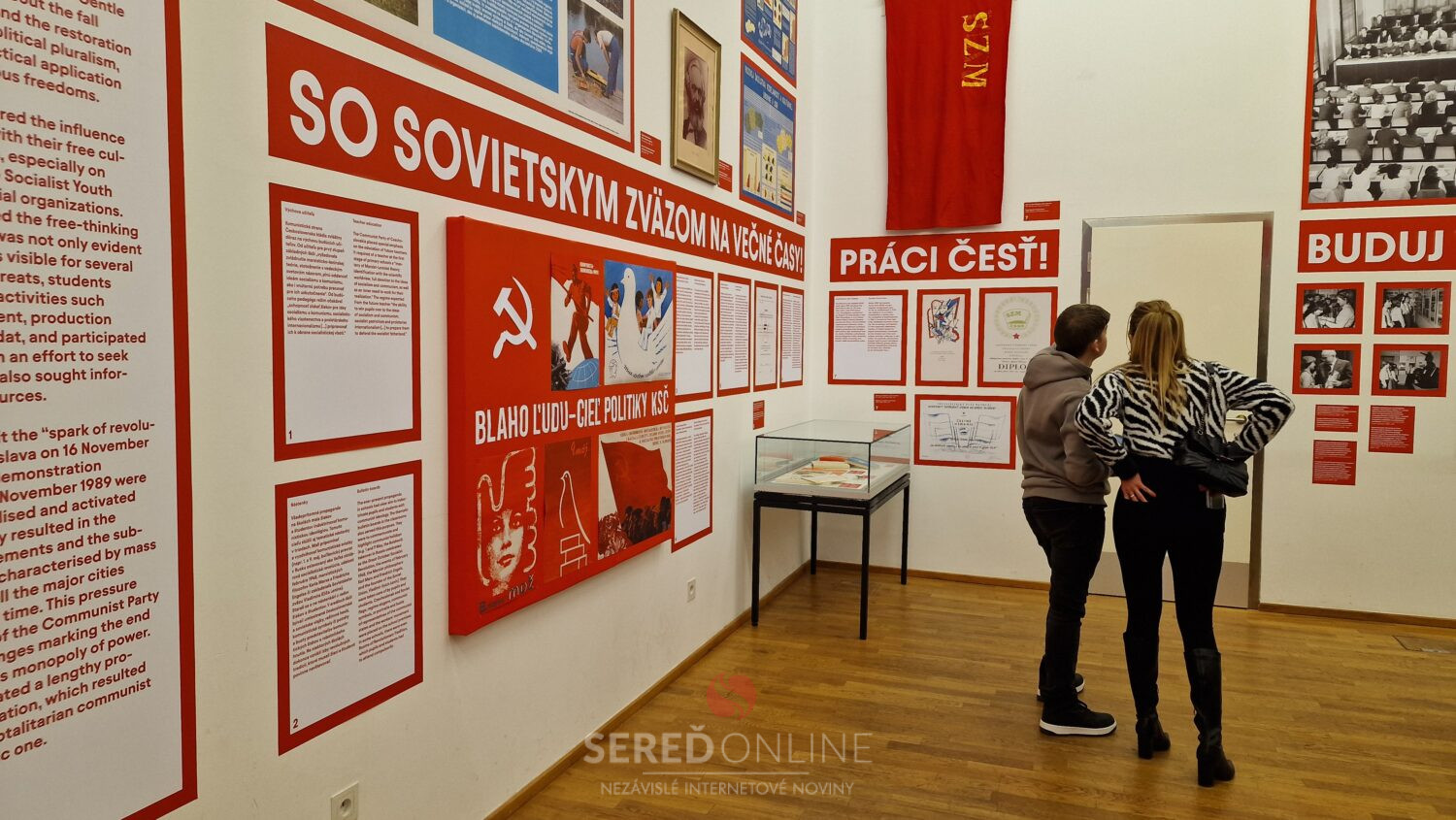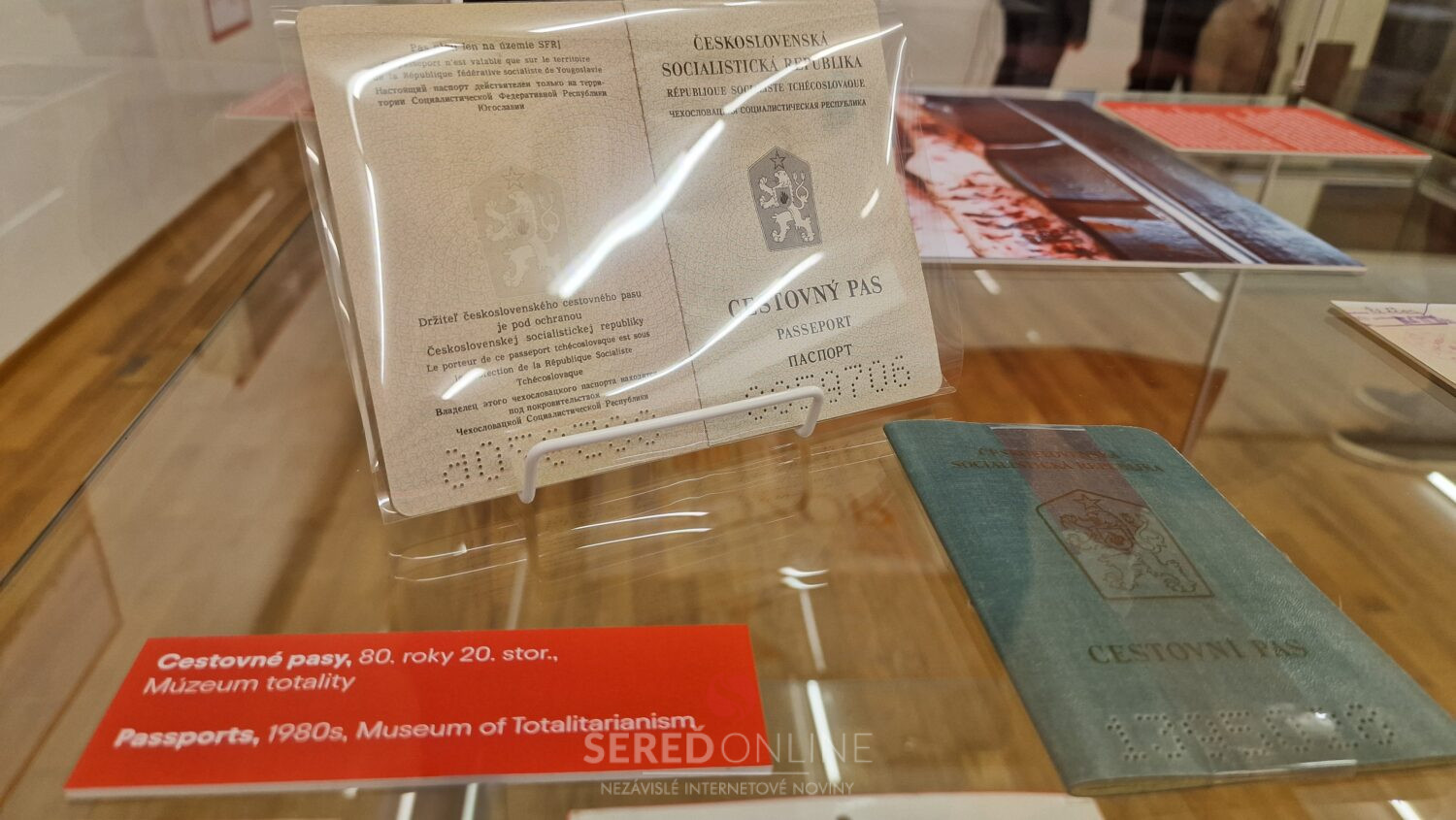


Welcome to the online exhibition of the Múzeum totality (Museum of Totalitarianism)

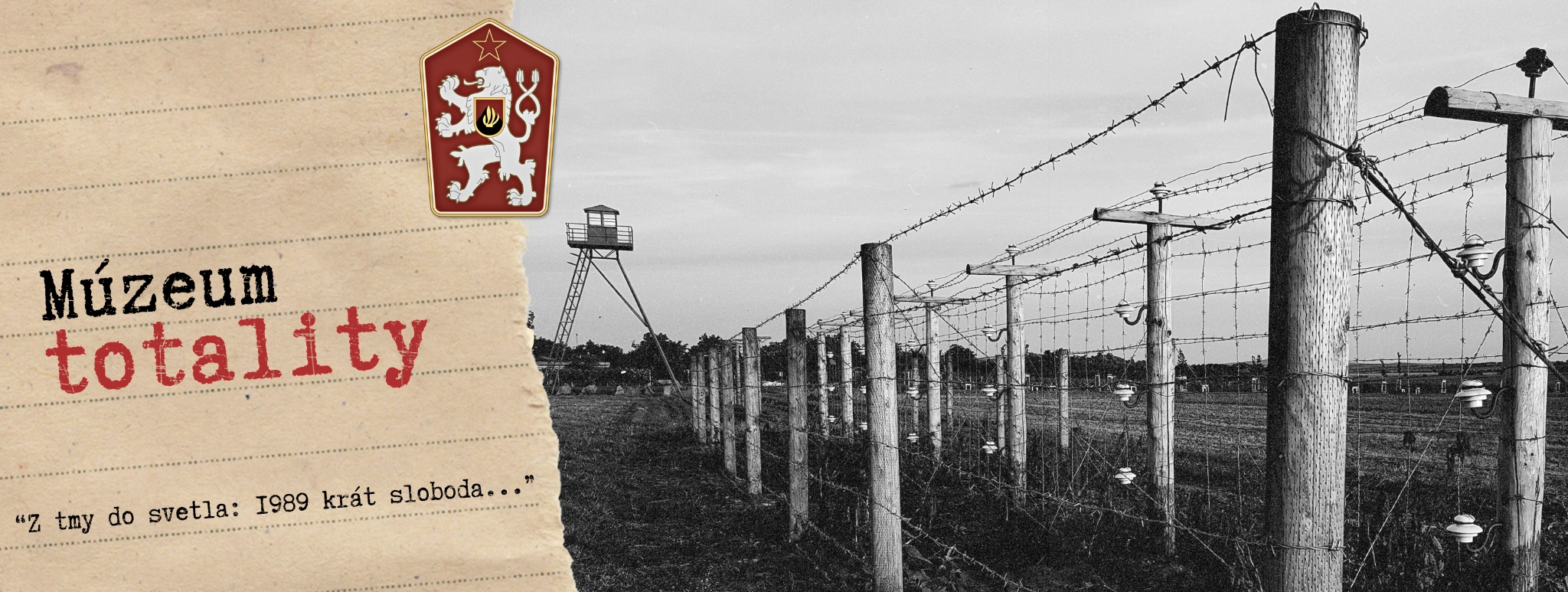
Everything about the totalitarian power during the era of building “brighter socialist tomorrows,” the persecution of citizens, the Cold War, and the Iron Curtain that separated democratic nations from totalitarian states for decades. Discover the suppression of freedom of speech, freedom of religion, and dissenting political views.

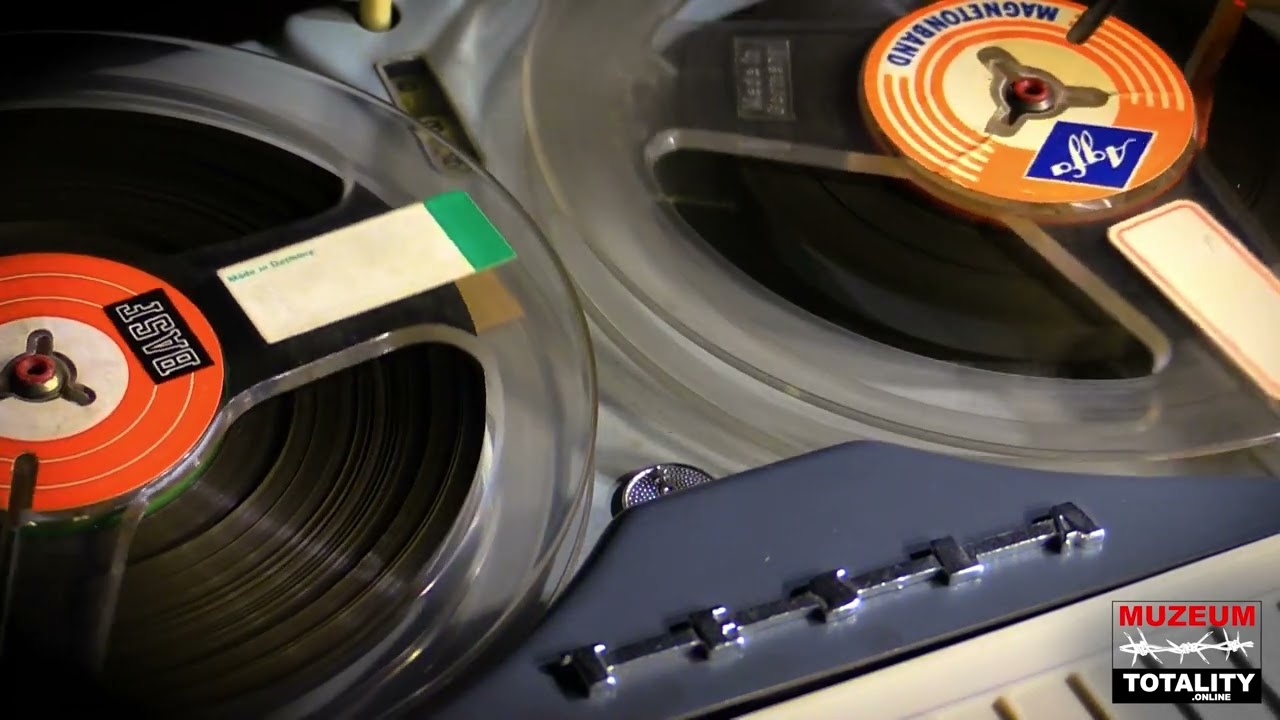
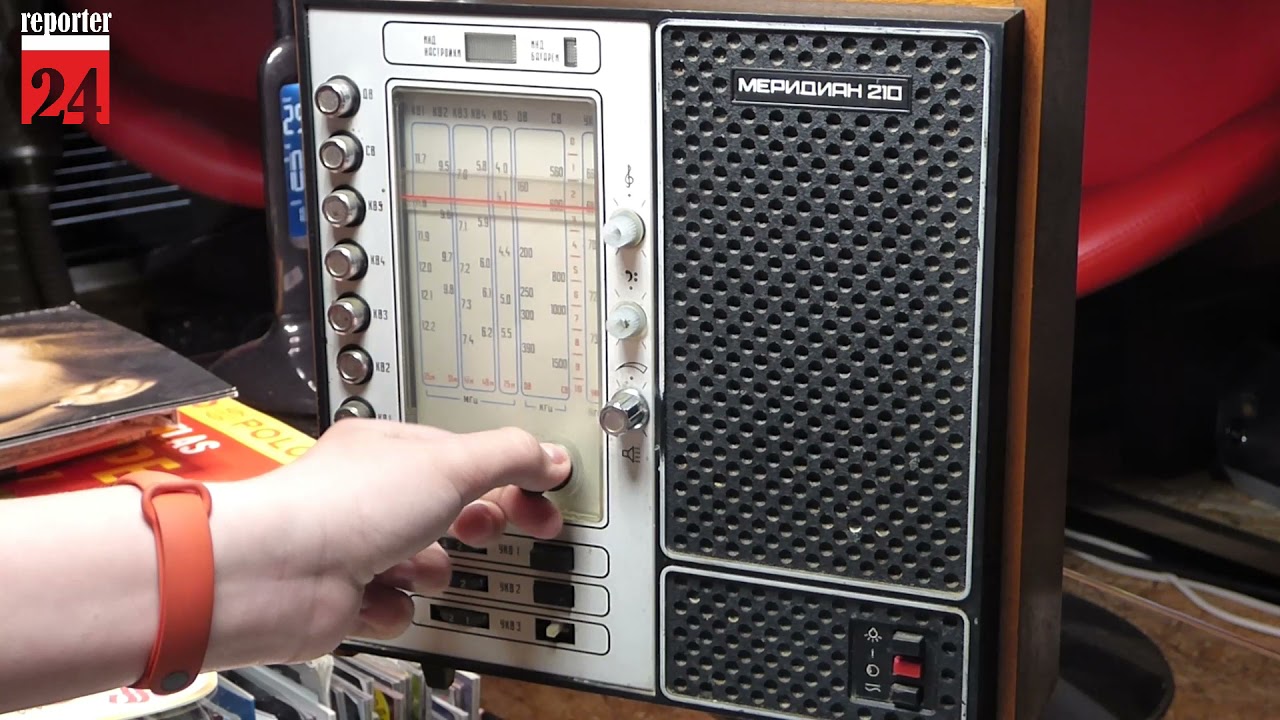
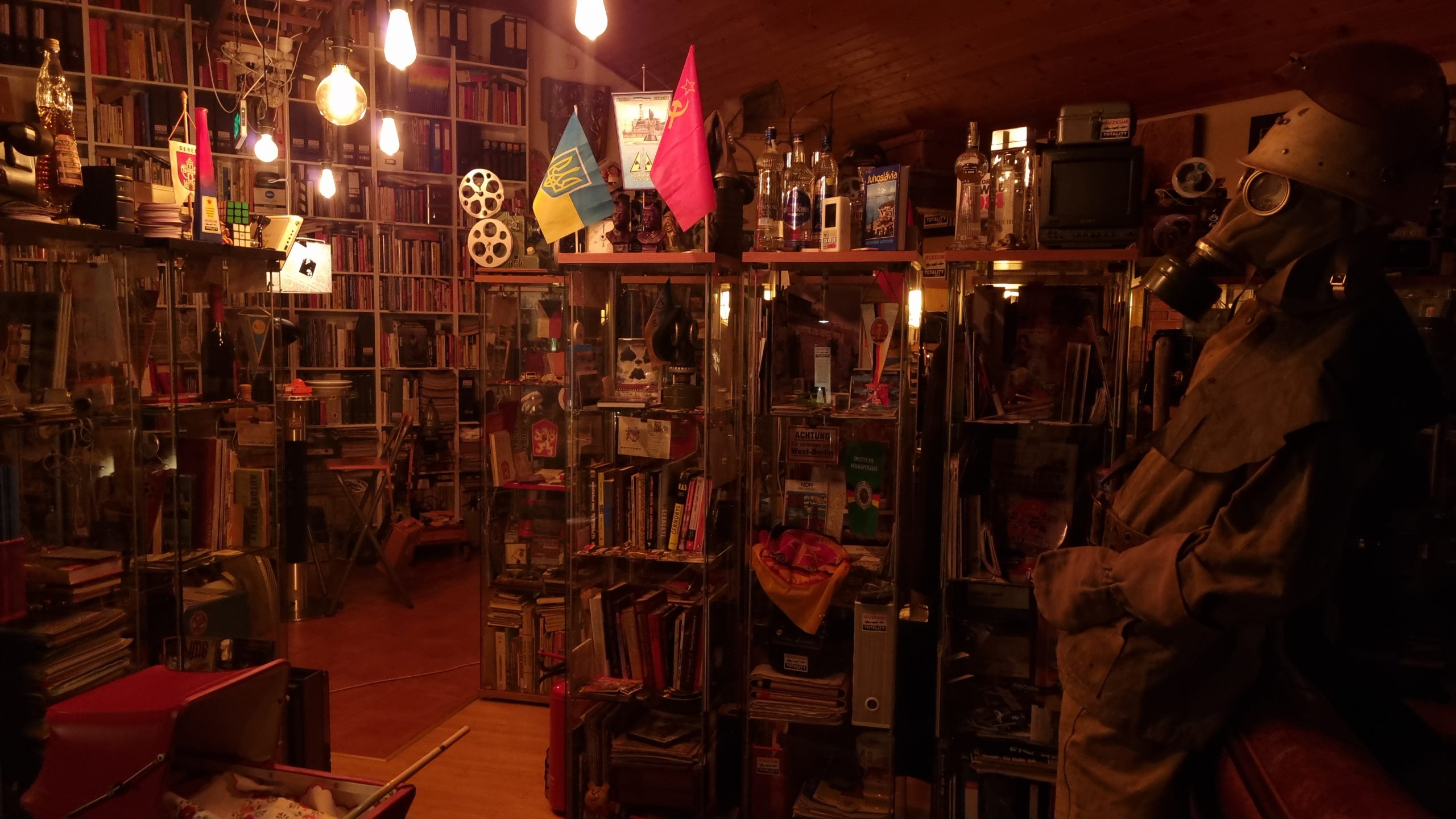
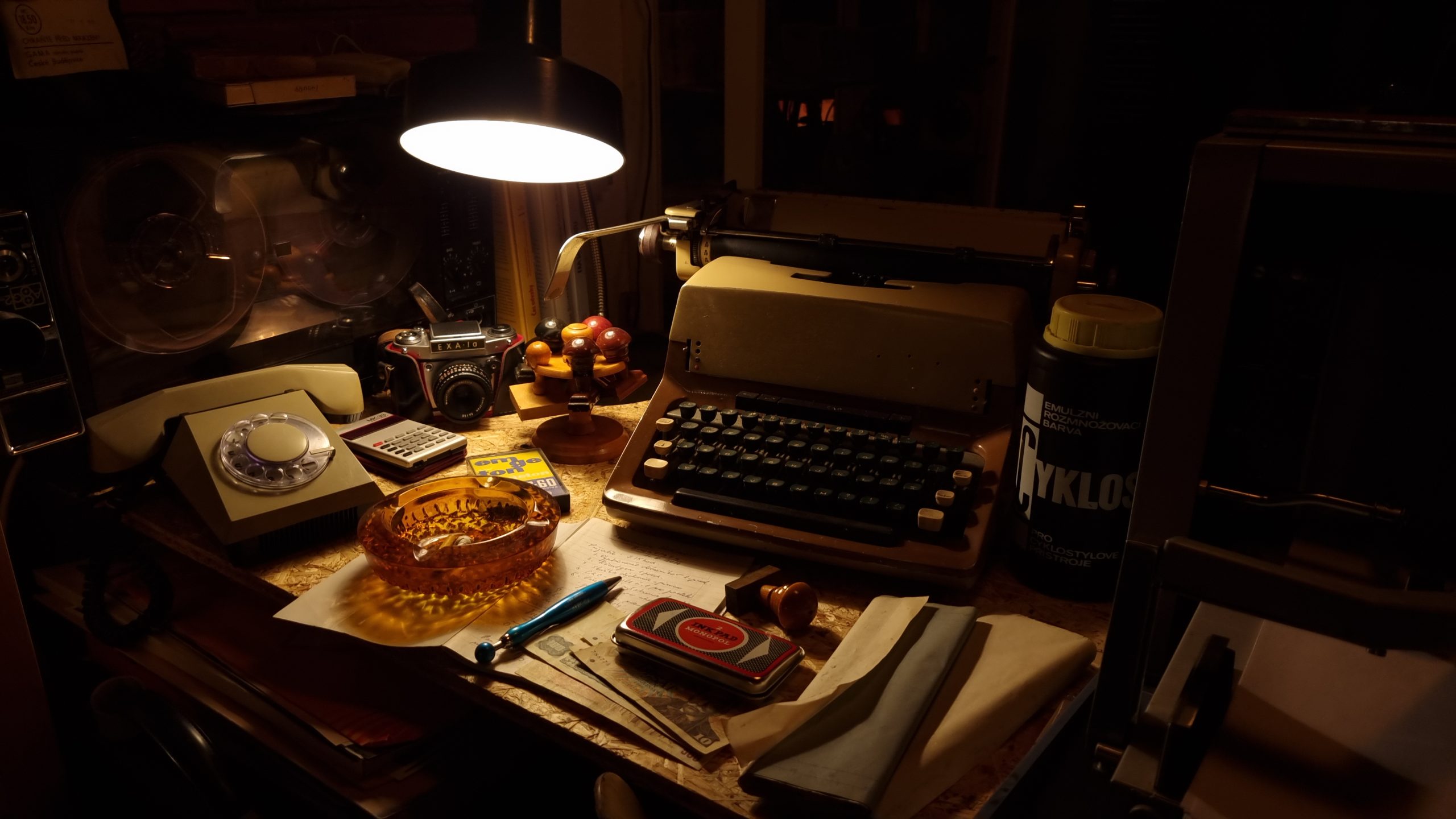
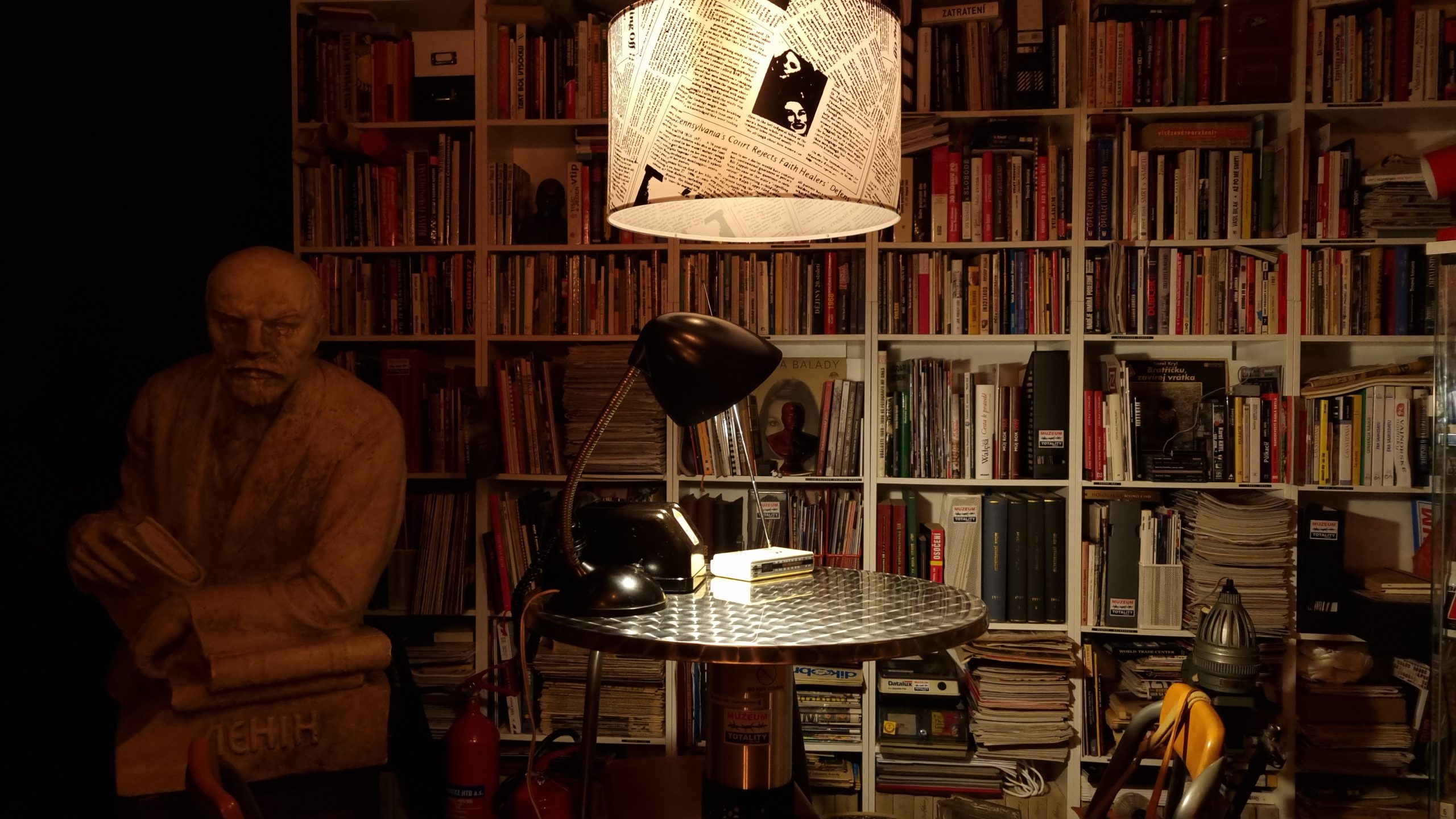
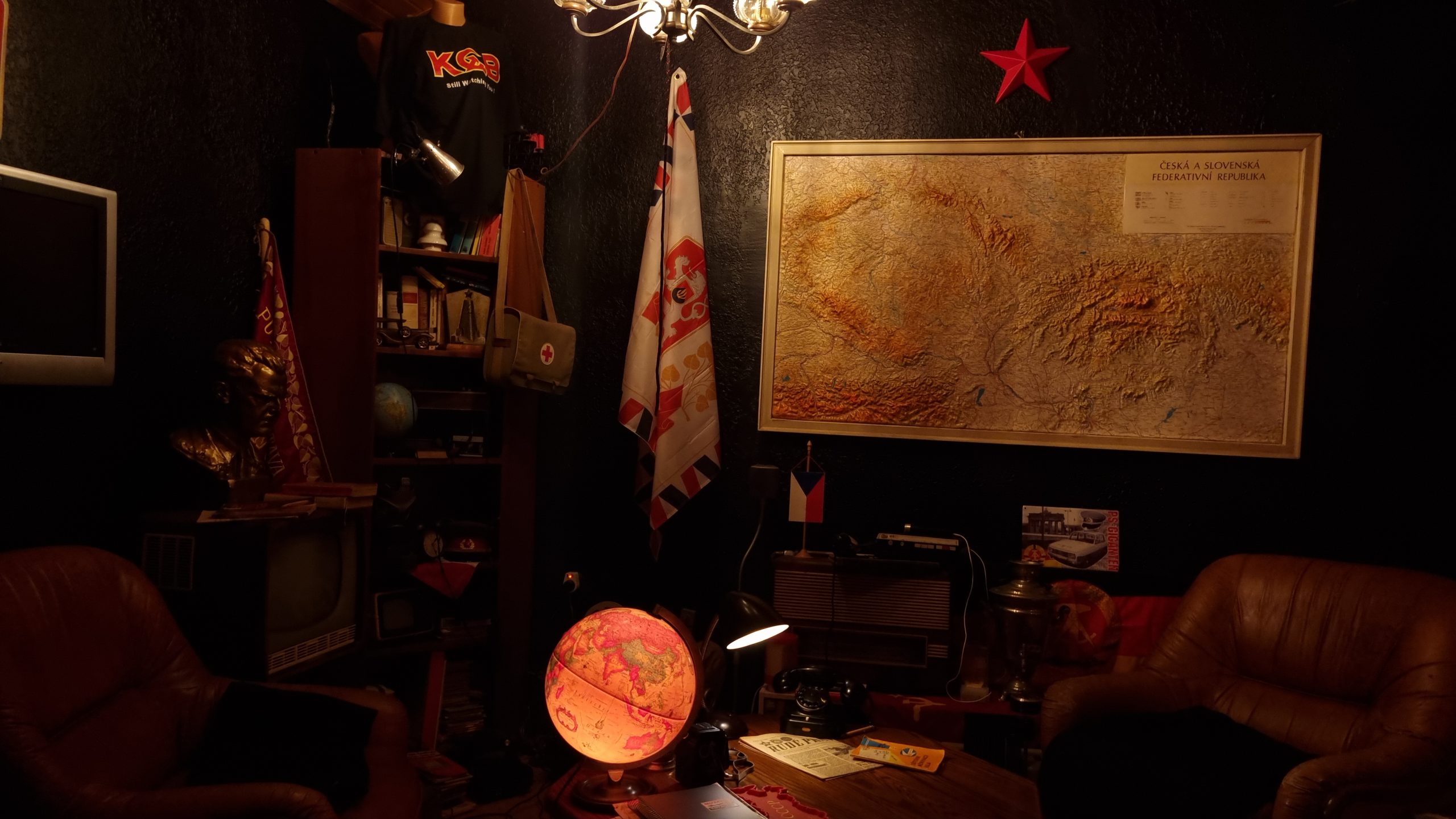
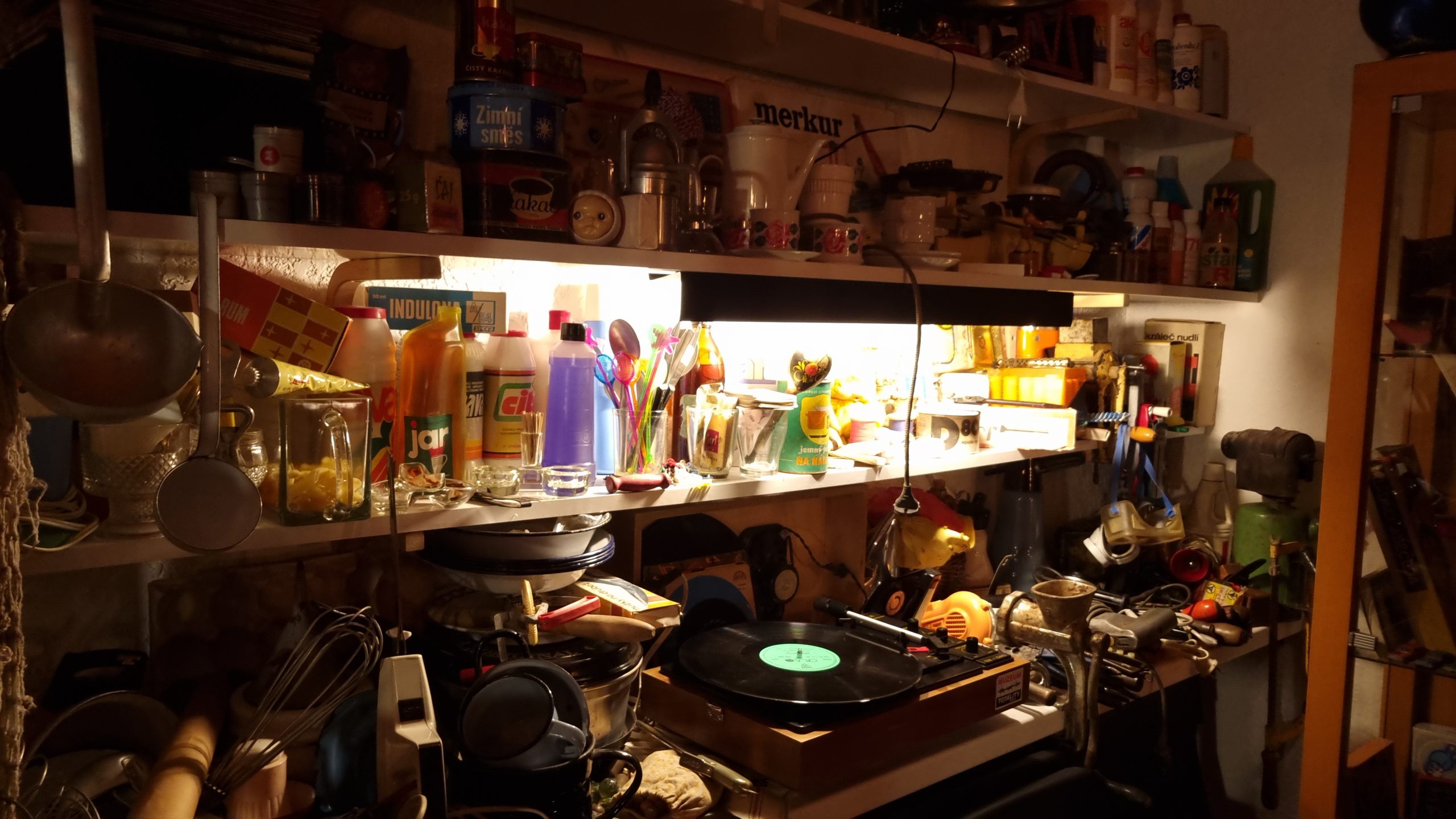
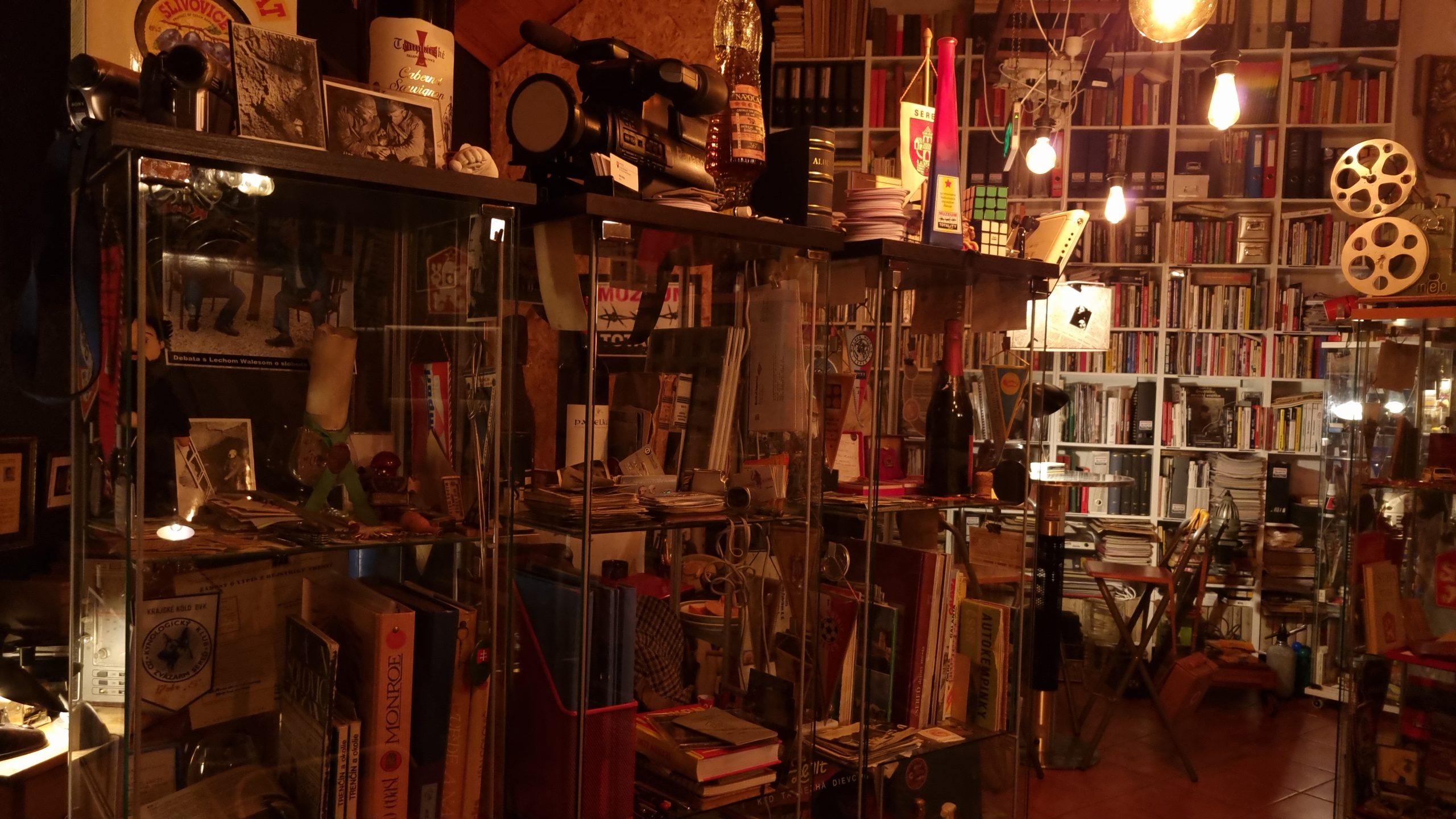
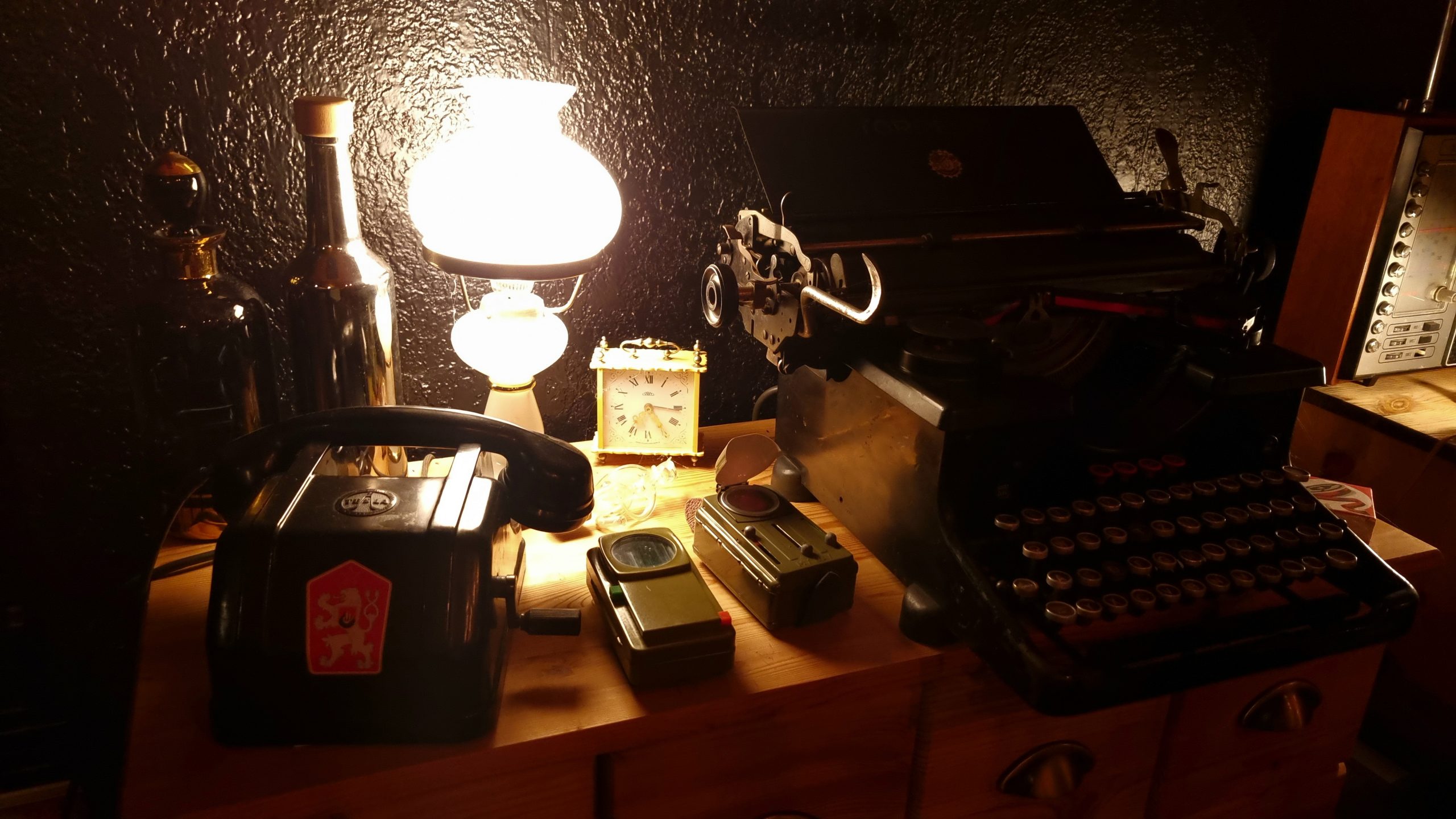
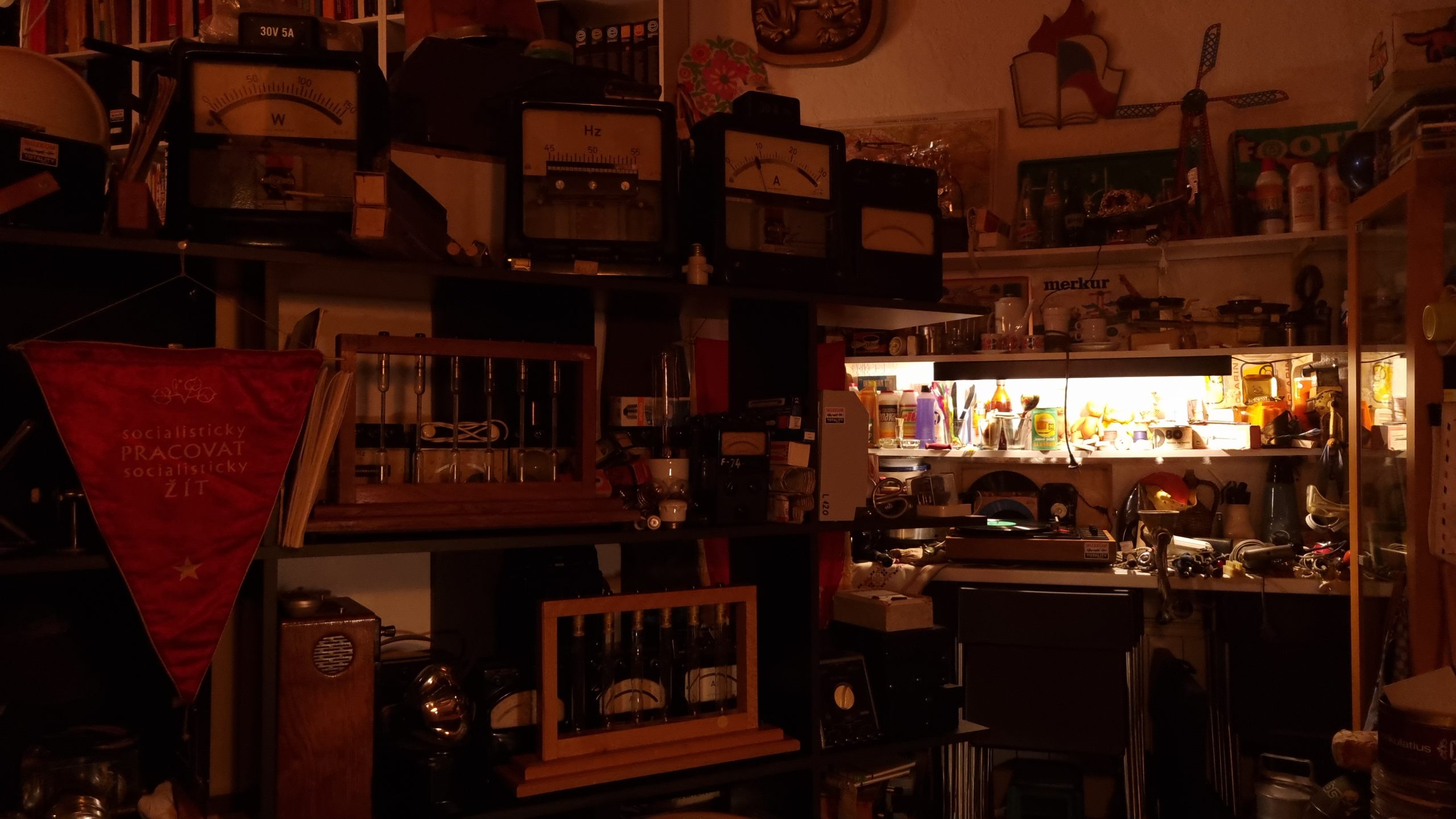
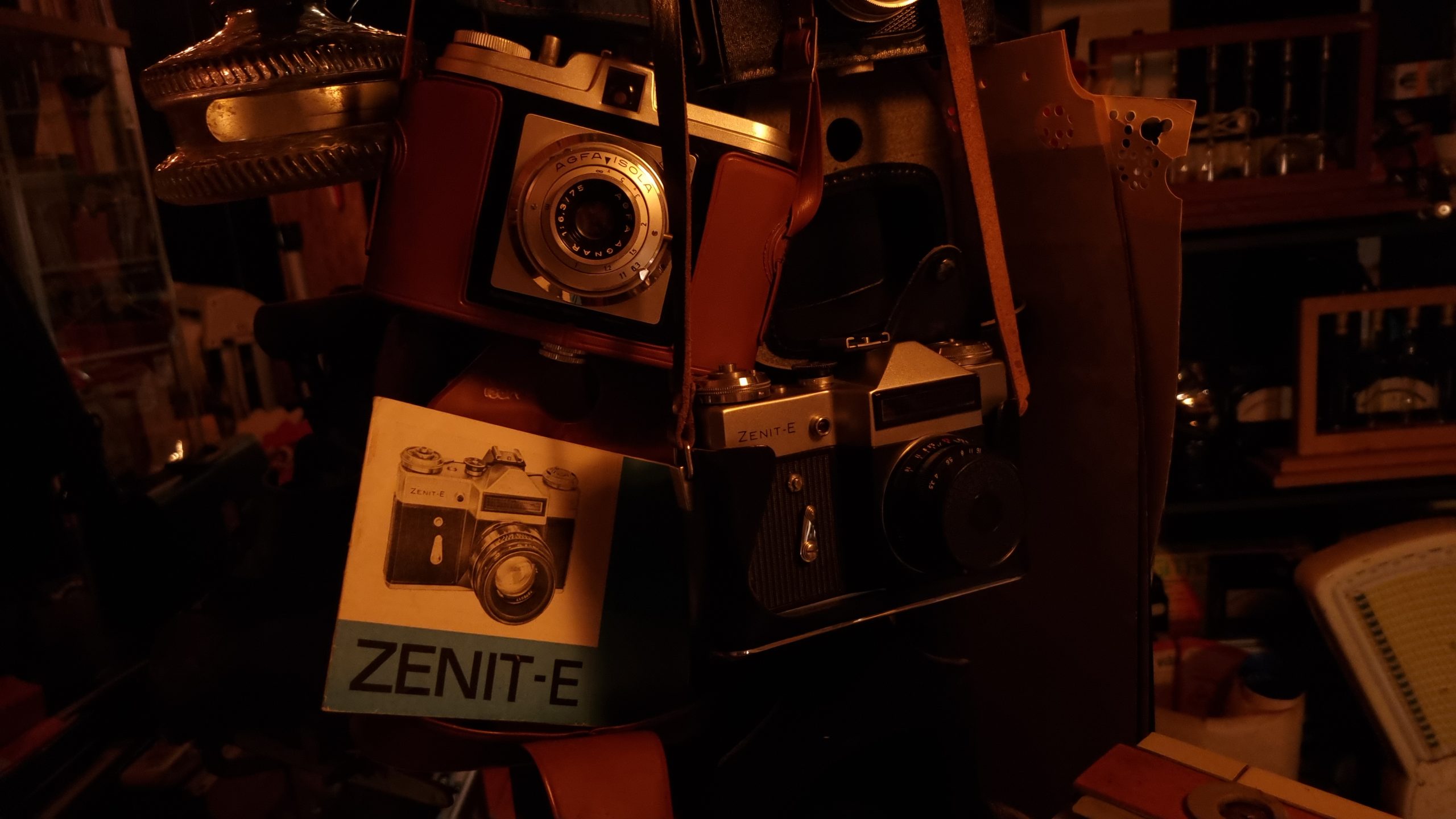
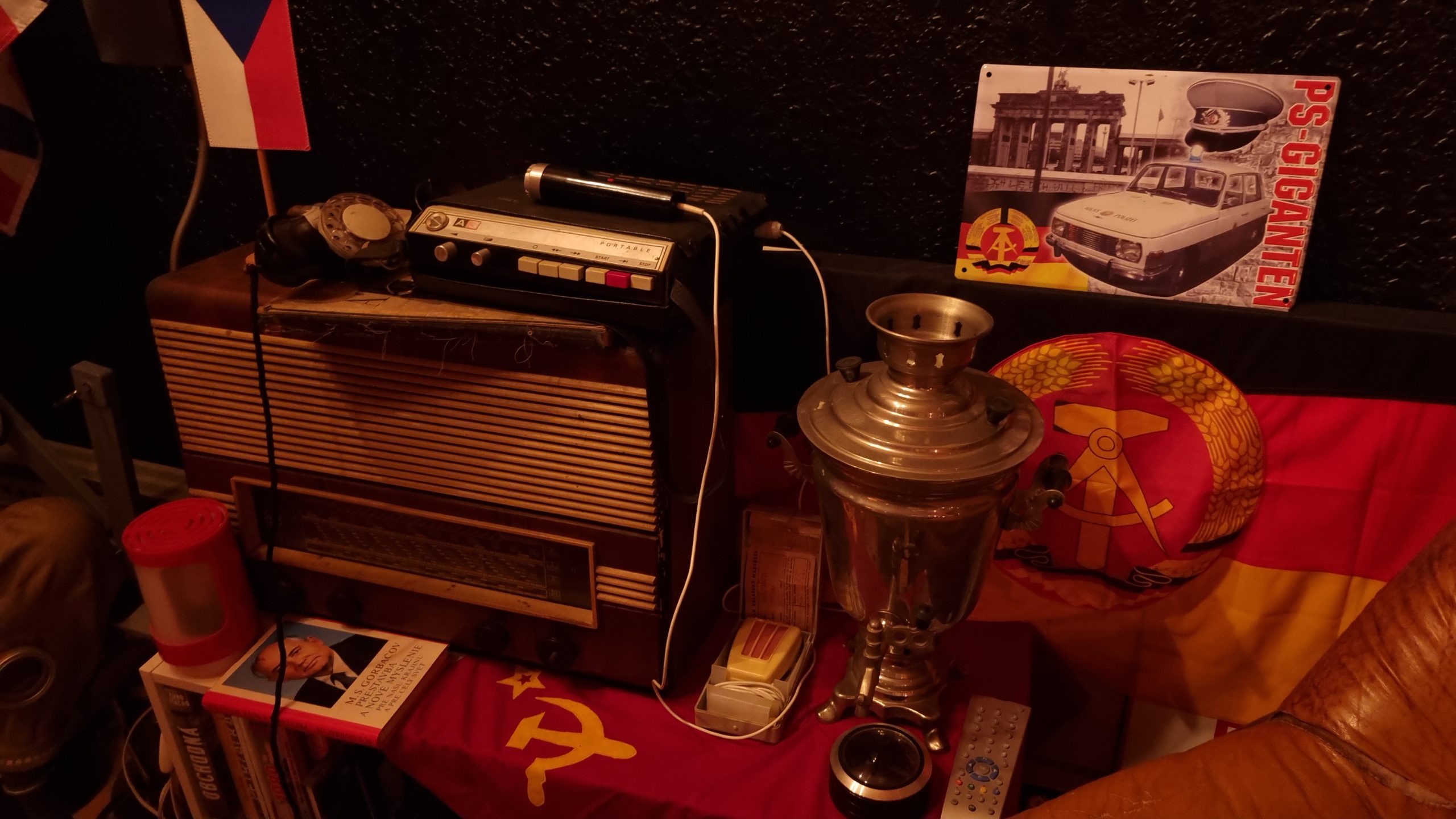
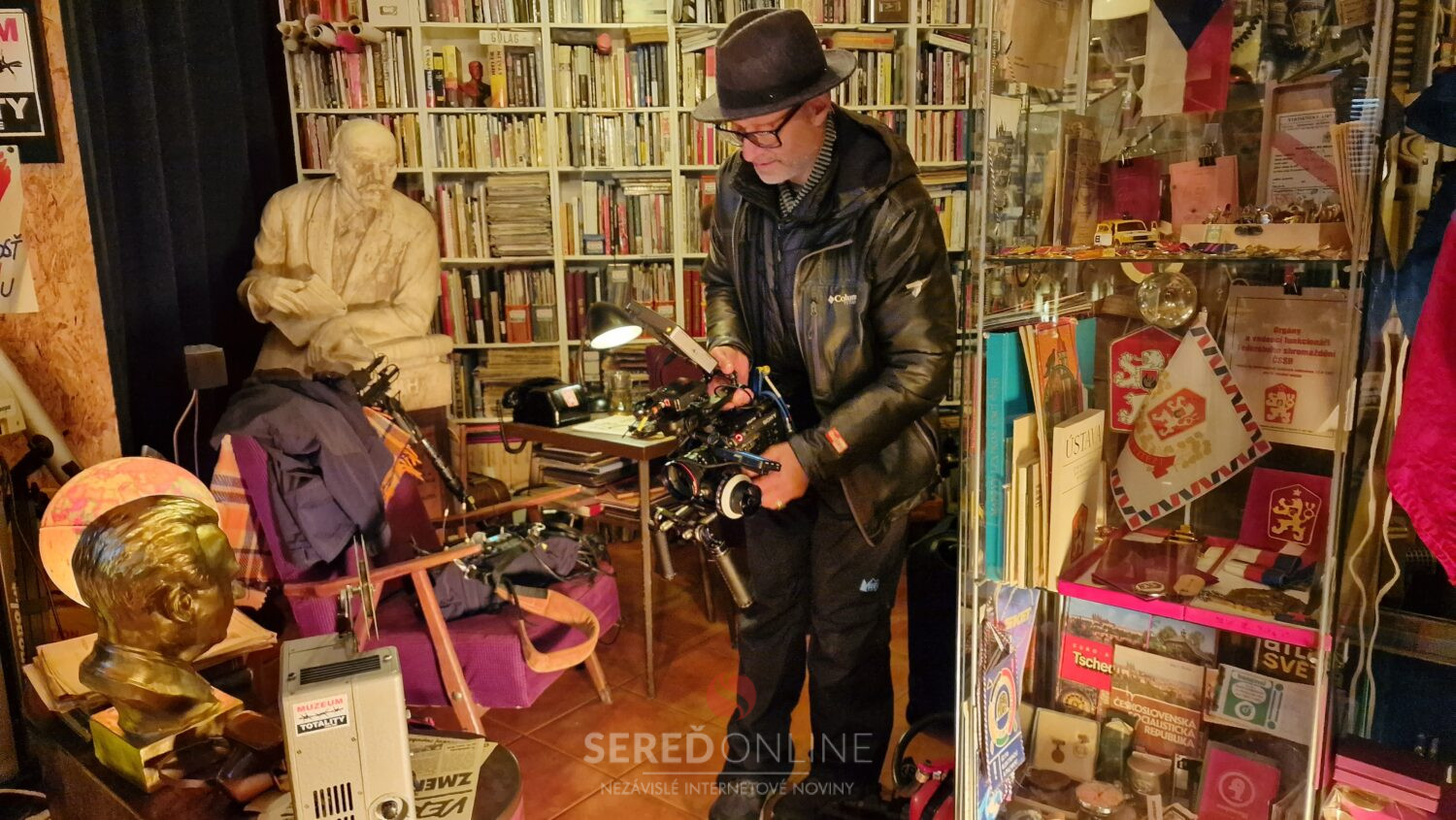
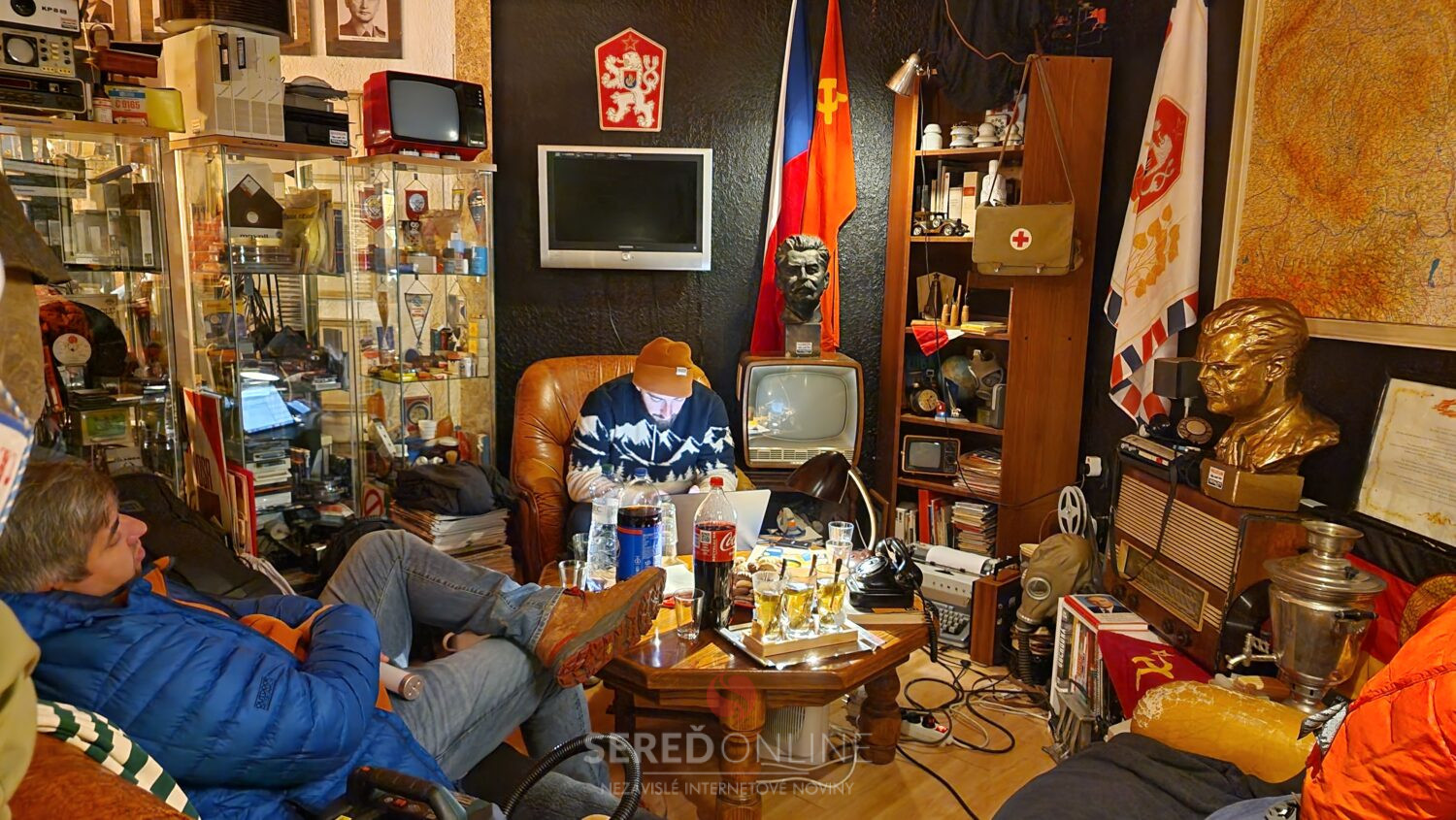
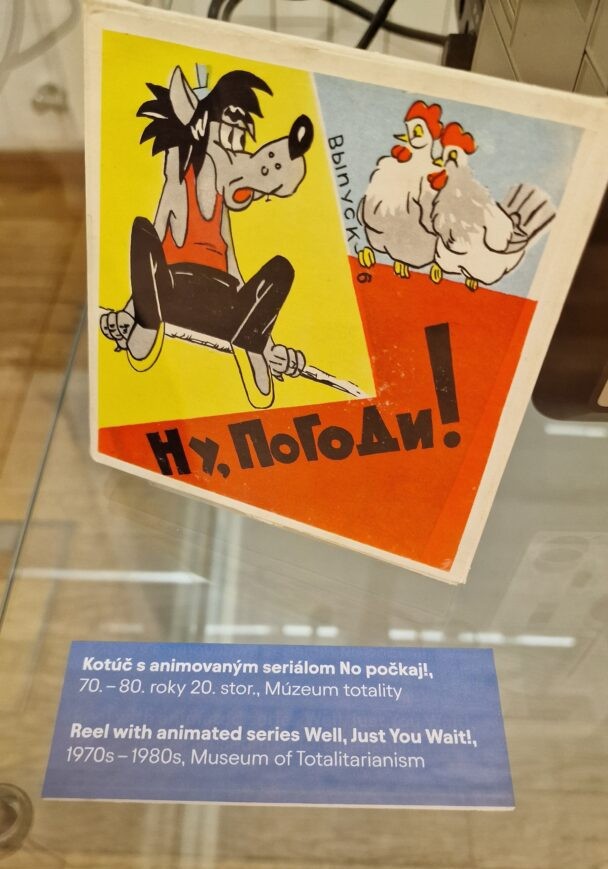
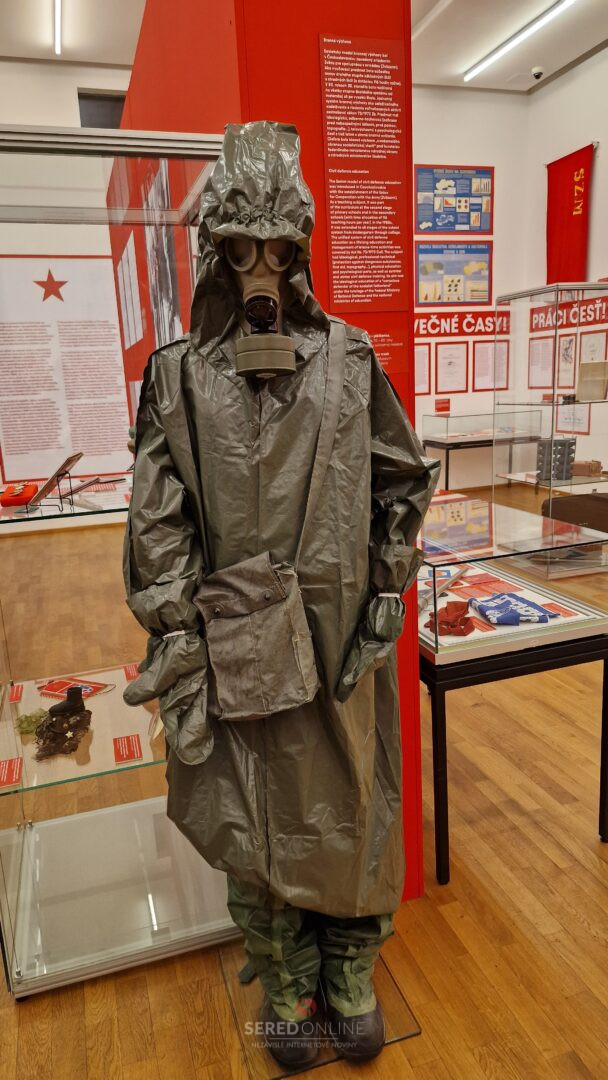
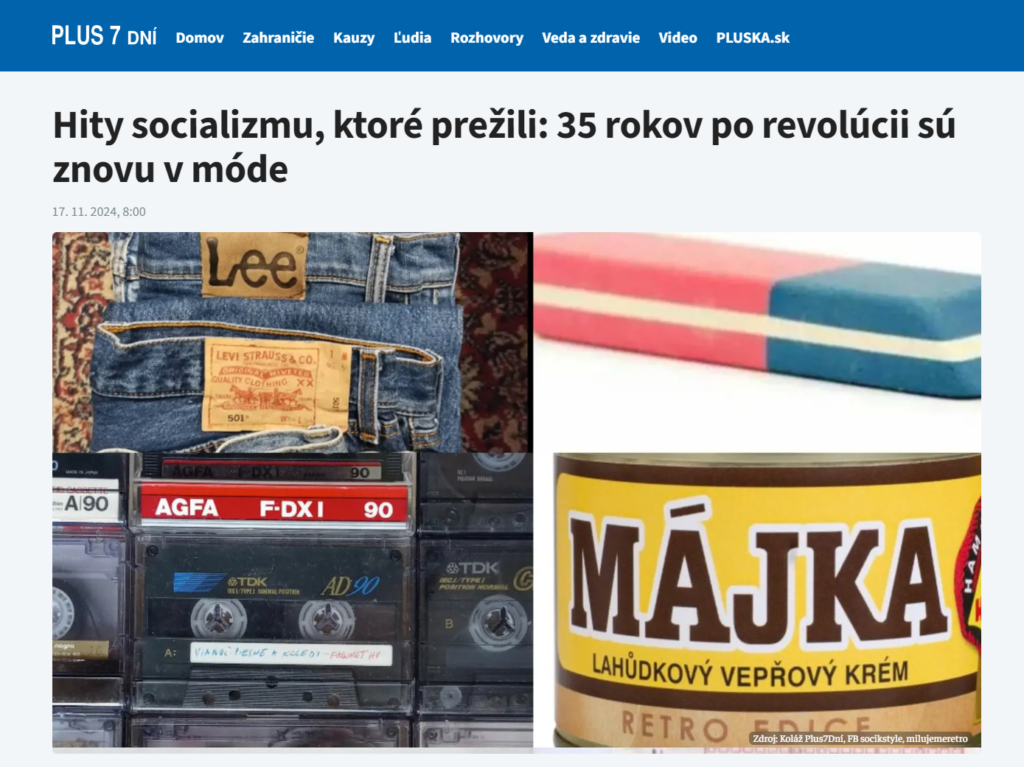
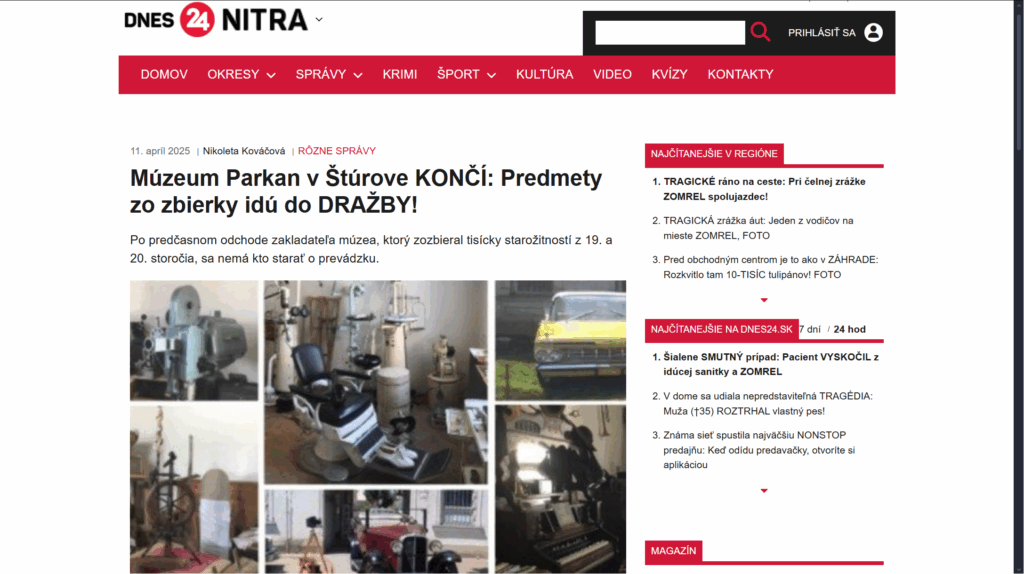
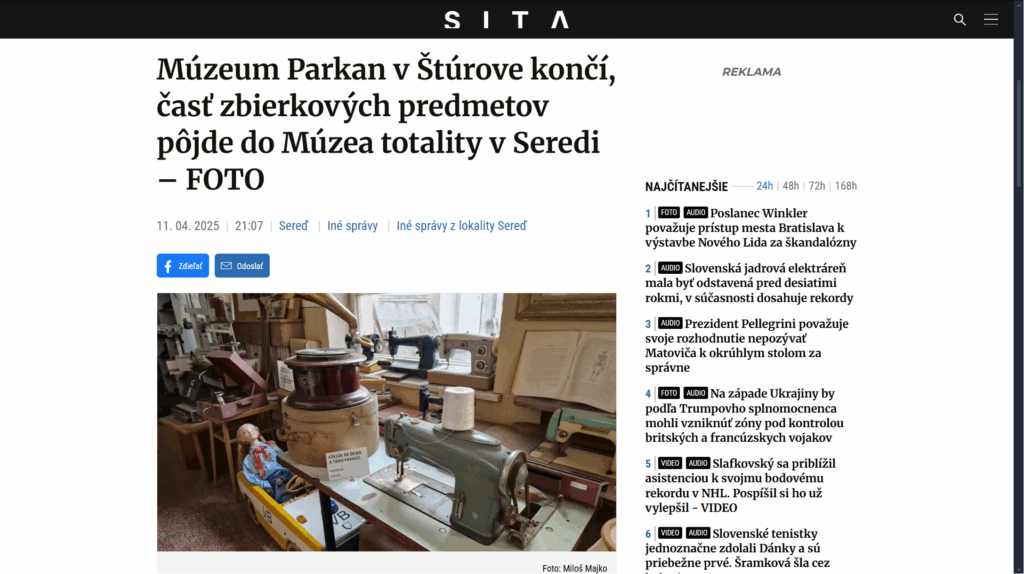
To illustrate daily life in socialist Czechoslovakia, the museum features period telephones, radios, televisions, and cameras, alongside other largely fully functional artifacts and everyday objects used during the socialist era.

The Múzeum totality (Museum of Totalitarianism) operates primarily as an online platform, with the objective of providing thoroughly documented records of all artifacts on its website, including detailed photographs and video demonstrations of their functionality. For history enthusiasts, students, professionals, the media, and filmmakers, the physical museum is also available for individual, in-person tours upon telephone request.

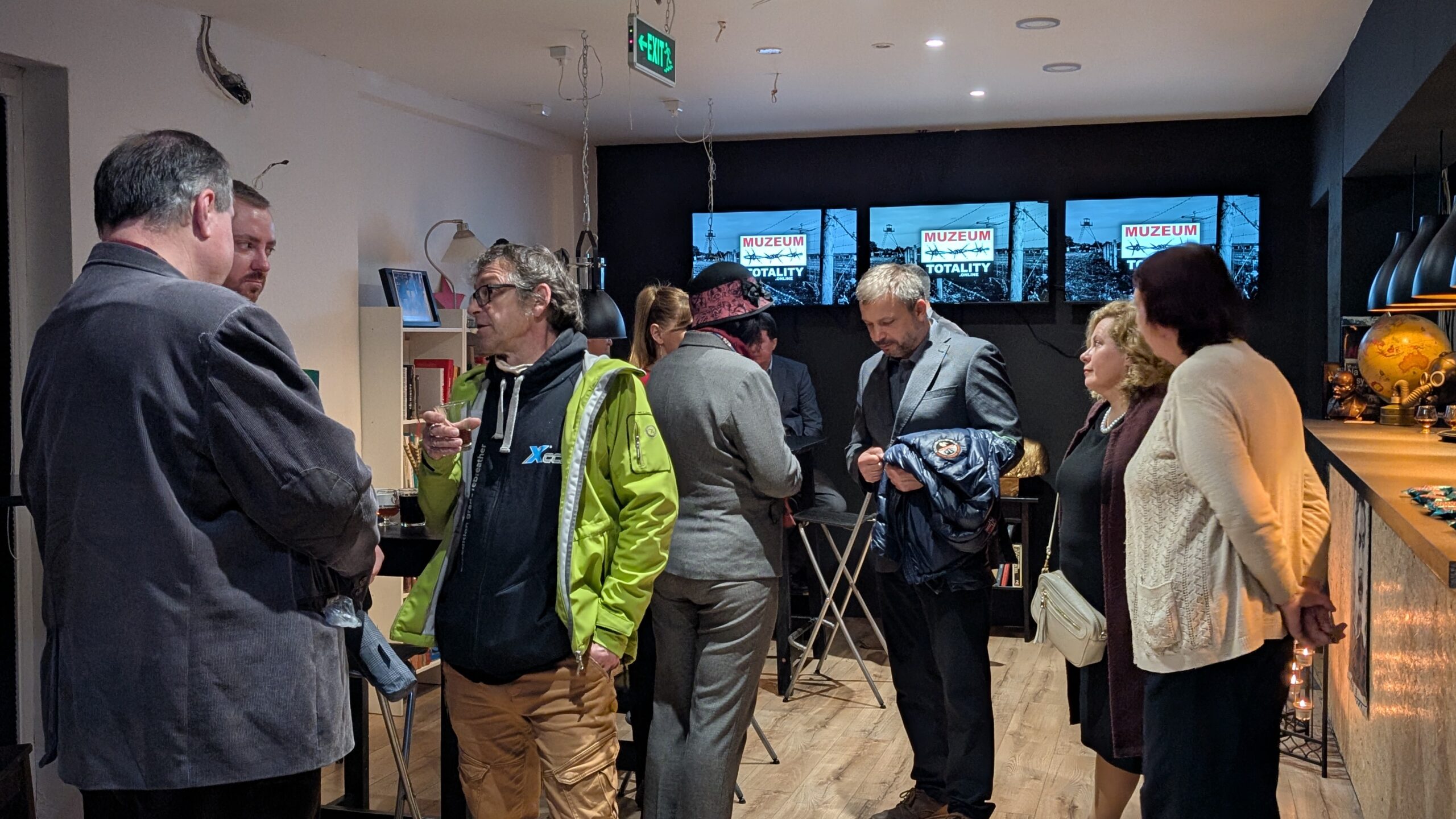
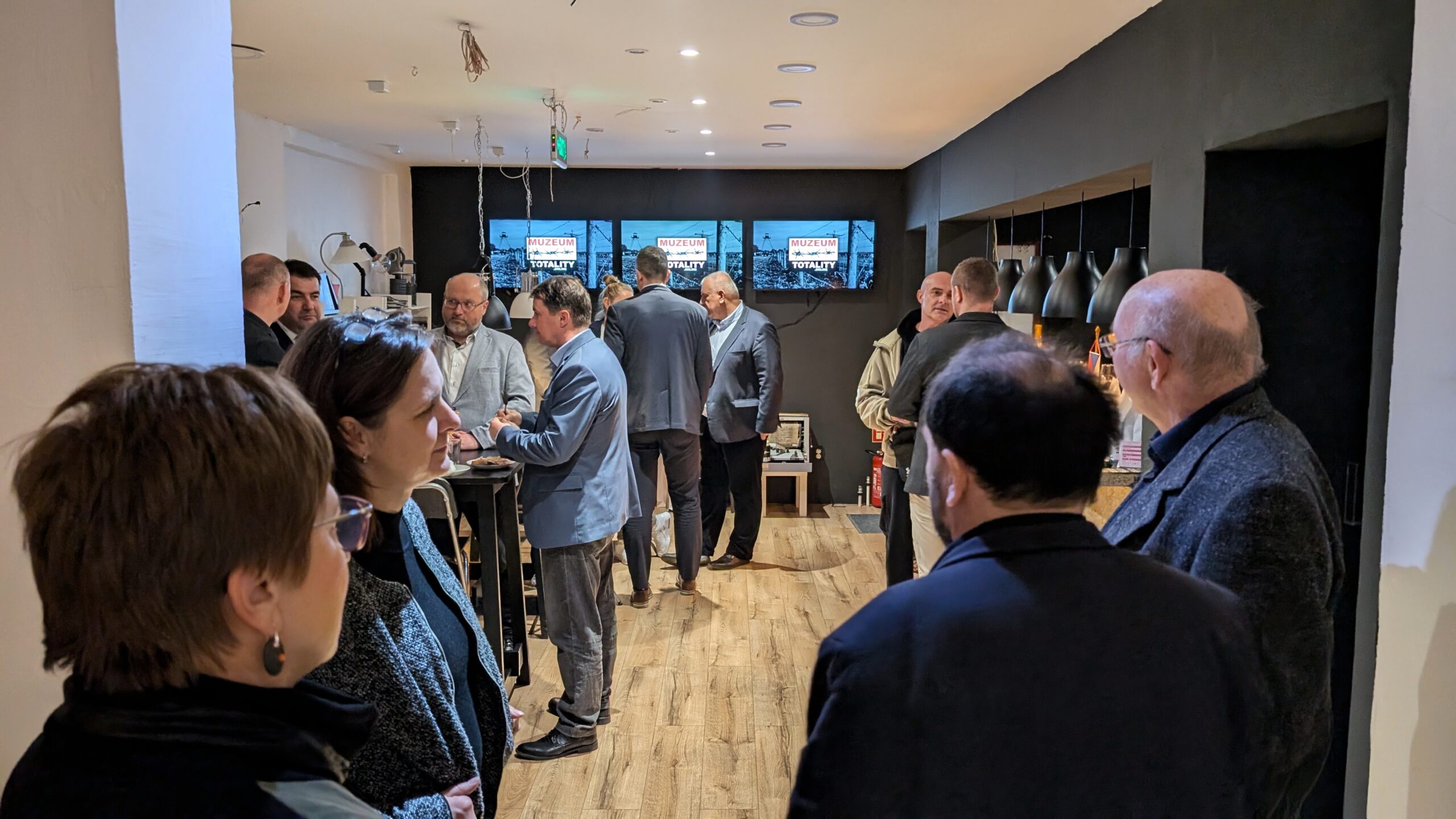
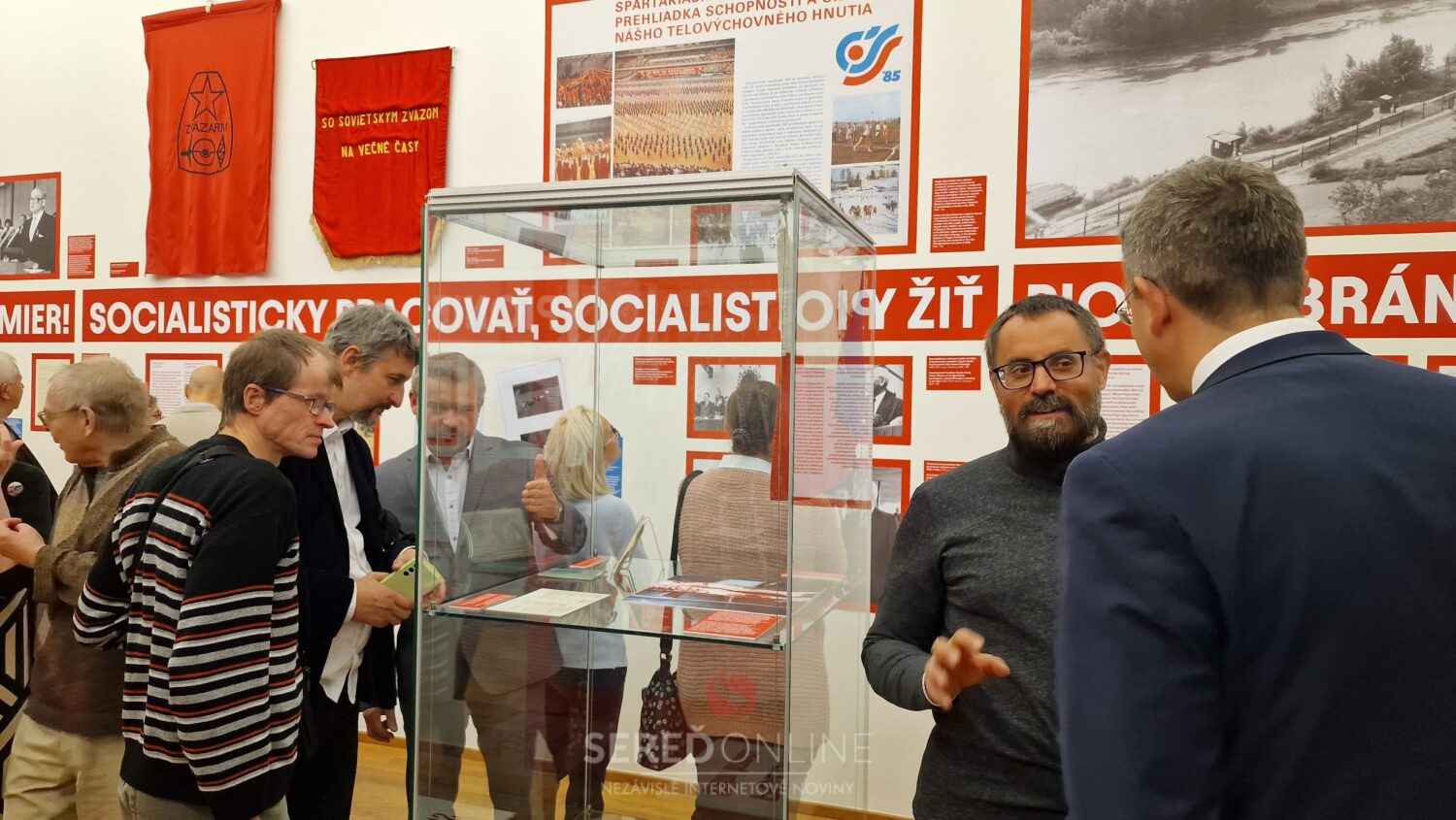
A new addition in 2025 features dedicated discussion and exhibition spaces, complete with essential facilities and refreshments. These areas are designed for public discussions with experts and dissidents, as well as for school educational programs. Furthermore, these spaces host independent temporary exhibitions focusing on major historical events and topics of public interest.

The Múzeum totality aims to facilitate gatherings of collectors, host mini-fairs, and foster networking among them, including through an online format. We look forward to welcoming you!

A Word from the Founder

Particularly in recent years, we have witnessed a purposeful reshaping of history and historical events to suit the current needs of politicians and groups celebrating the era of socialism and its totalitarian regime. They downplay or outright ignore the persecution of citizens for holding differing political views or religious convictions, the ban on free travel, and the omnipresent censorship.

Frequently, it is young people in particular who, when searching for information on the internet, fail to distinguish between the credibility of various sources. As a rule, they are presented with information that is either partially manipulated or completely altered. Consequently, due to a lack of awareness, they may unwittingly contribute to the further spread of what is, in reality, targeted propaganda.

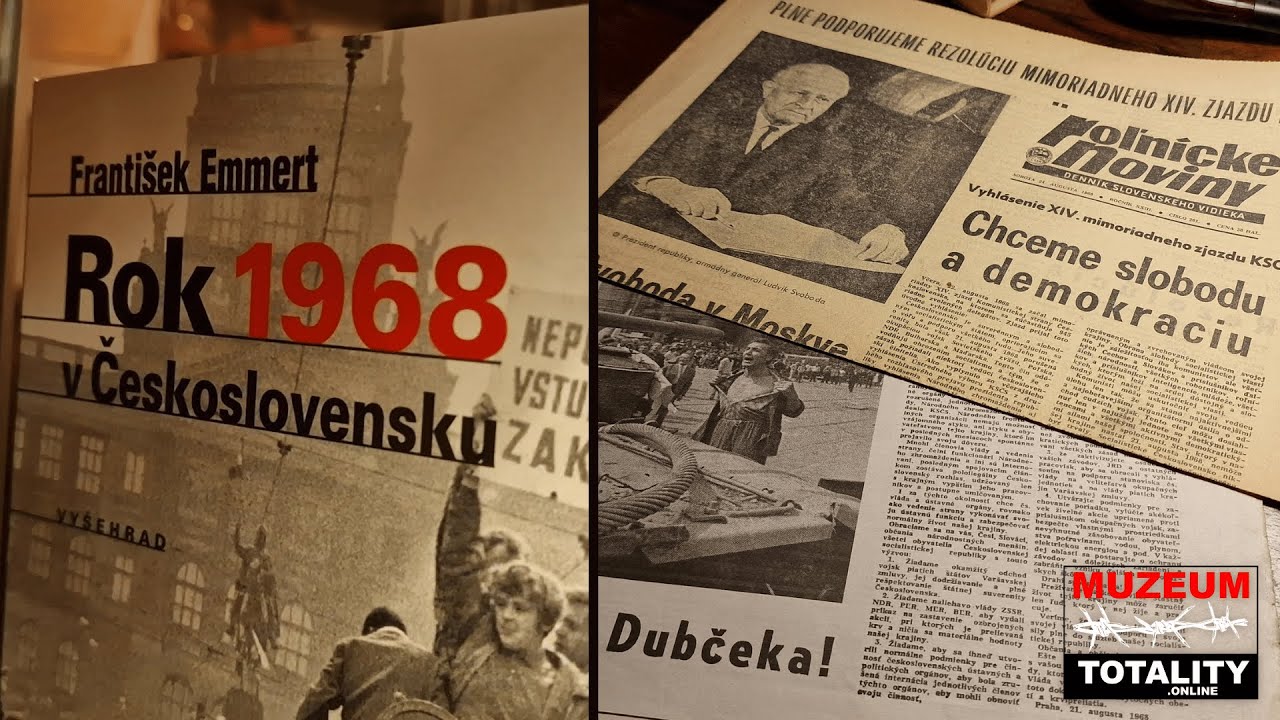
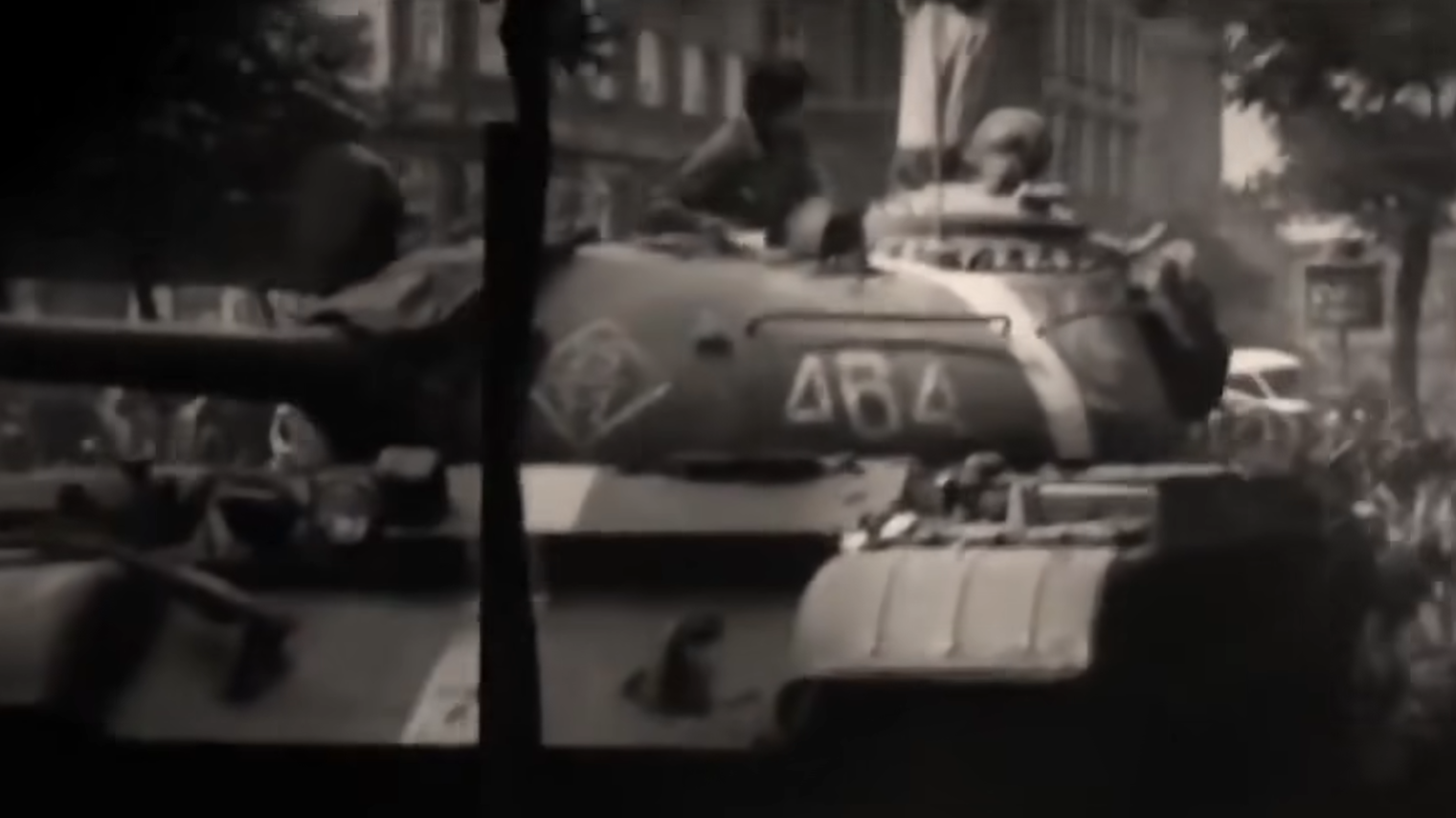
Consequently, the events of August 1968, rather than being recognized as the Occupation of Czechoslovakia by Warsaw Pact troops, are purposefully presented as the protection of socialist values and social security for its citizens. Similarly, the Velvet Revolution of November 1989 is framed as a coup orchestrated by the State Security (StB) and dissidents, who allegedly seized power to destroy the Czechoslovak economy, sell off state assets, and enrich themselves.

I spent practically 21 years of my life living under the totalitarian regime. Due to an unfavorable “cadre profile” (my father had resigned from the Communist Party of Czechoslovakia in protest against the 1968 invasion by the occupying forces), I was rejected from studying journalism after graduating from high school—despite having already published dozens of articles and photographs in the daily press prior to my entrance exams. My father’s career advancement was halted, and given that we also had family living in what was then the Federal Republic of Germany, we were far from being among the regime’s “favorites.”

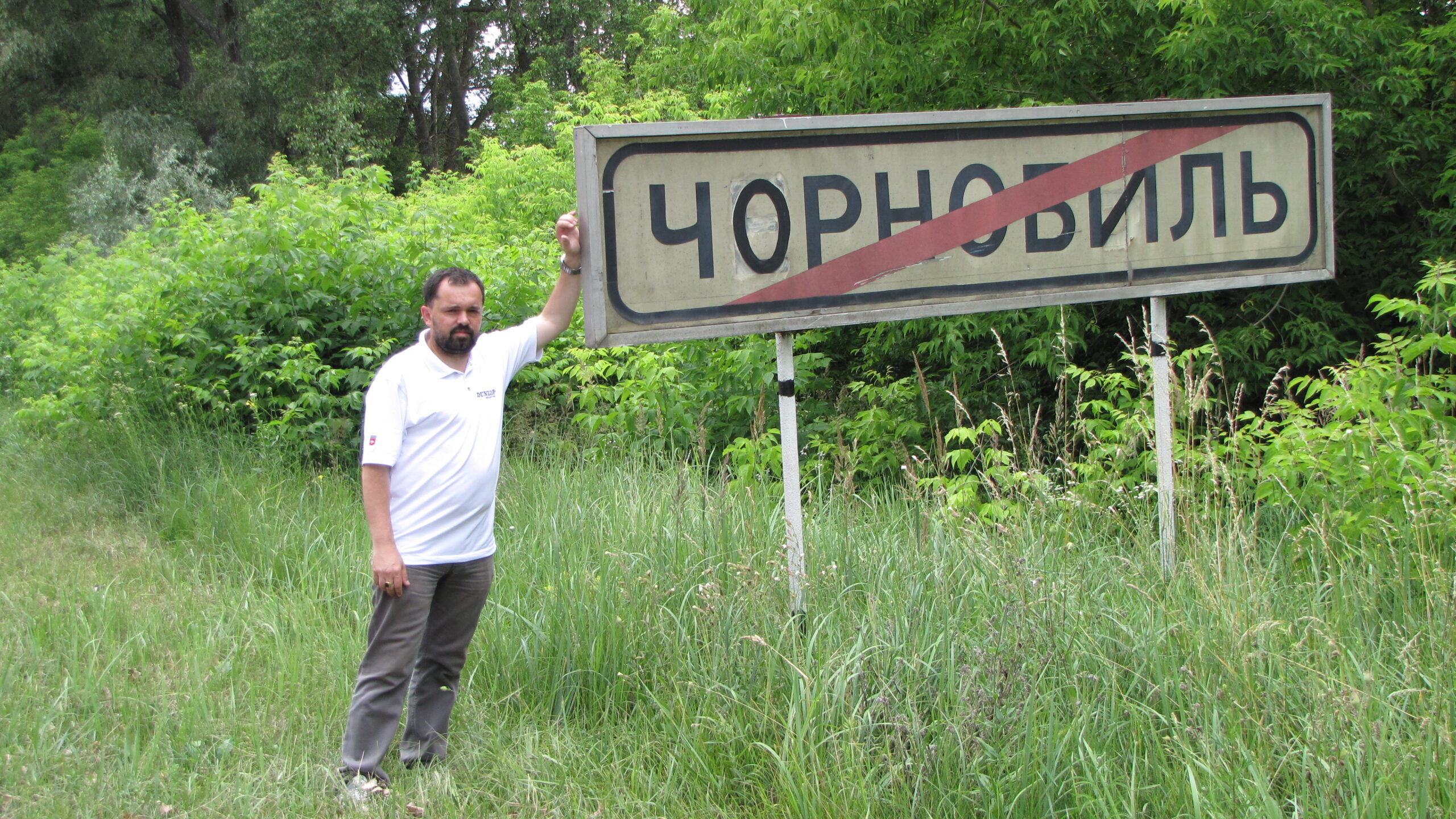
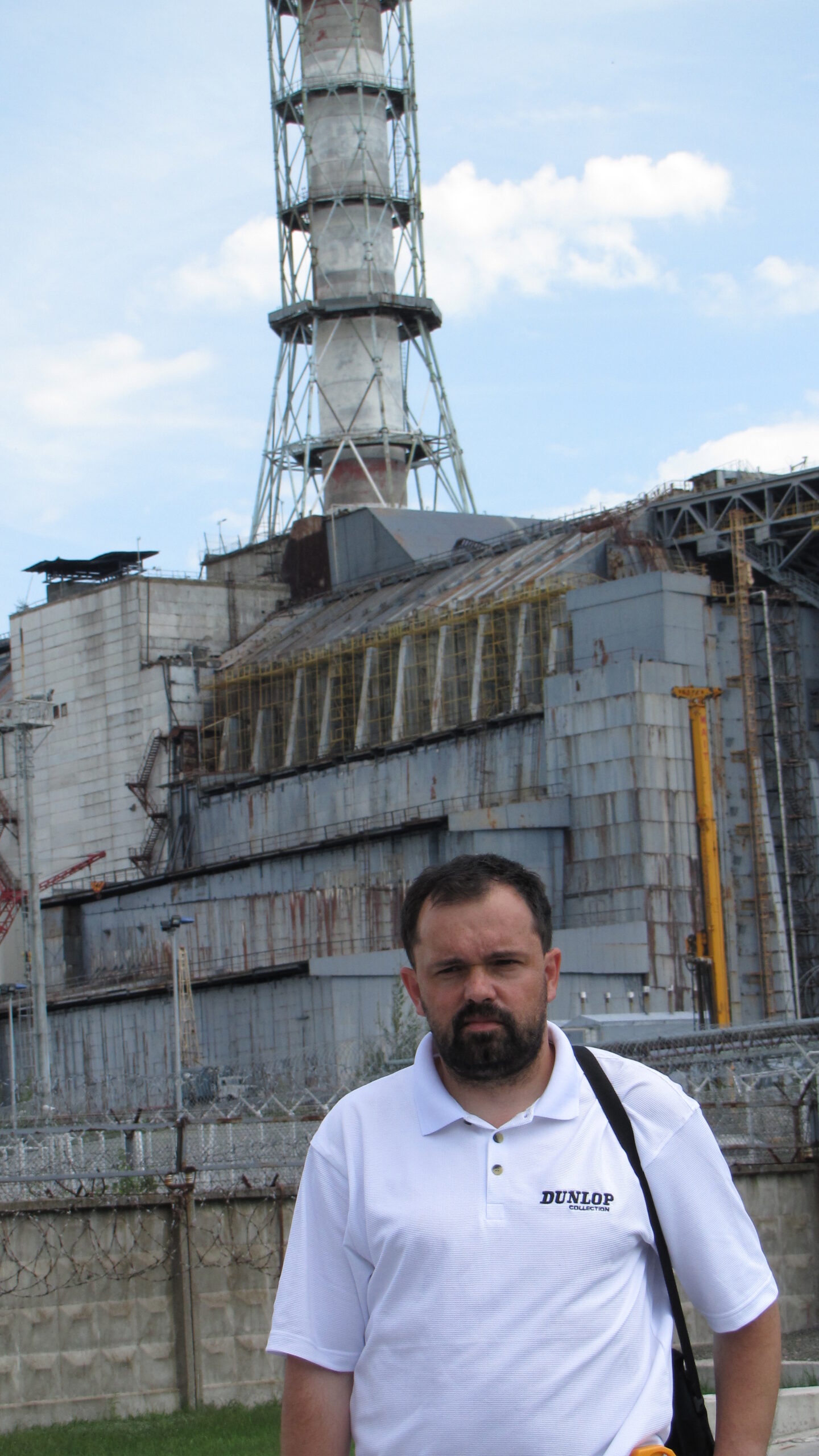
Consequently, the fall of the communist regime in the USSR and subsequently across the Eastern Bloc was significantly accelerated by the tragic and, to date, largest nuclear disaster at the Chernobyl power plant. The material, financial, and human costs of the cleanup and containment efforts were so staggering that the Soviet Union, already deeply exhausted financially at the time, stood no chance of keeping the communist regime functional, even with the support of its satellite states.

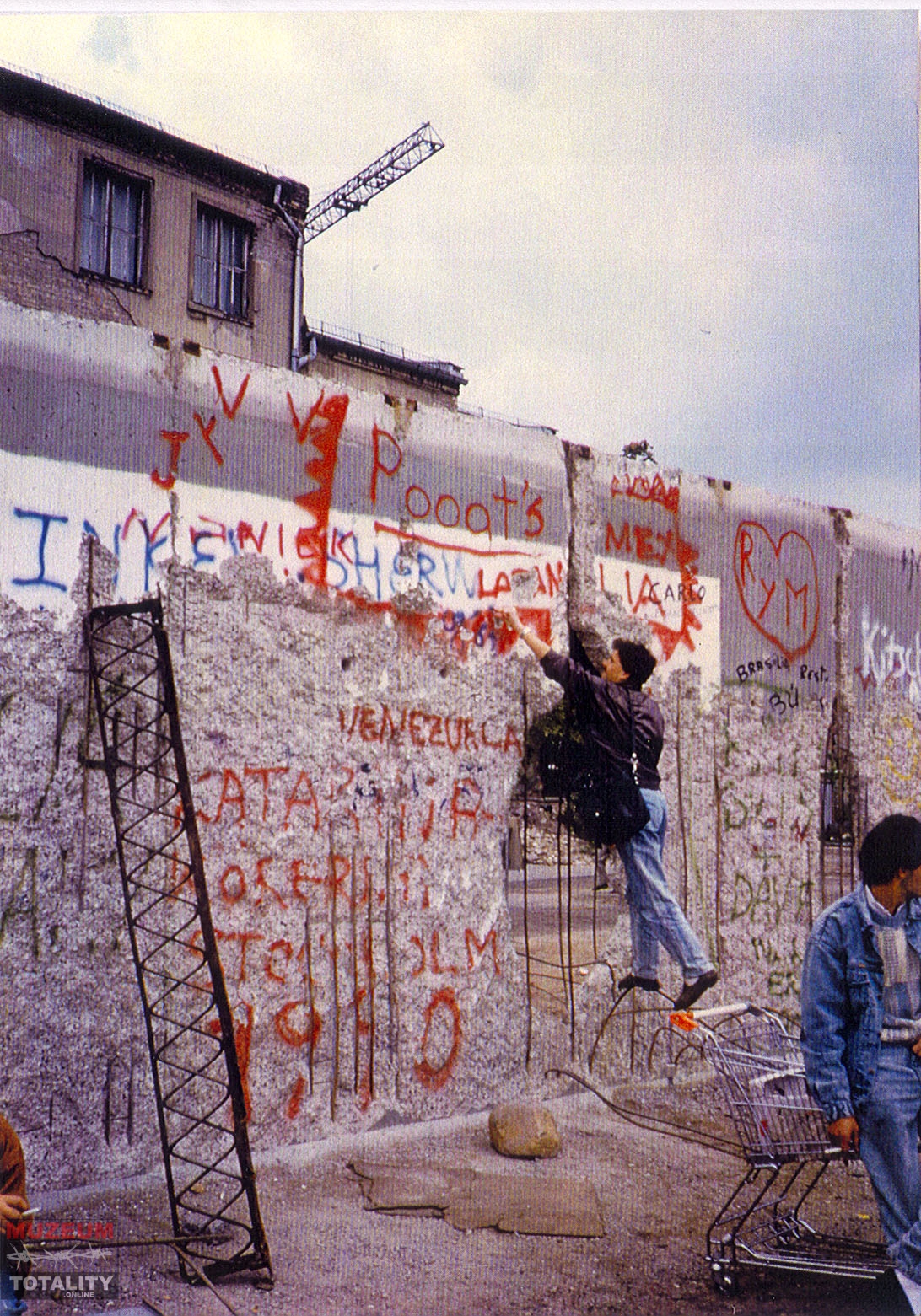
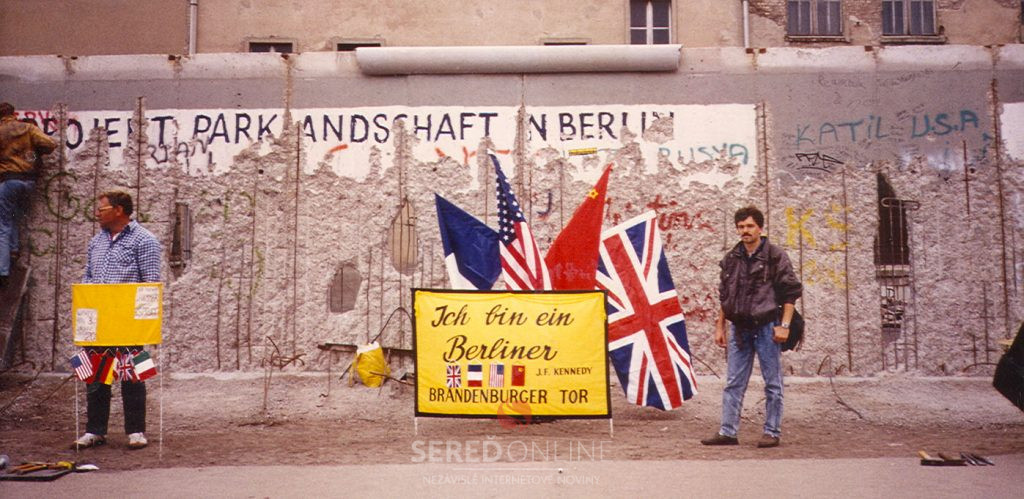
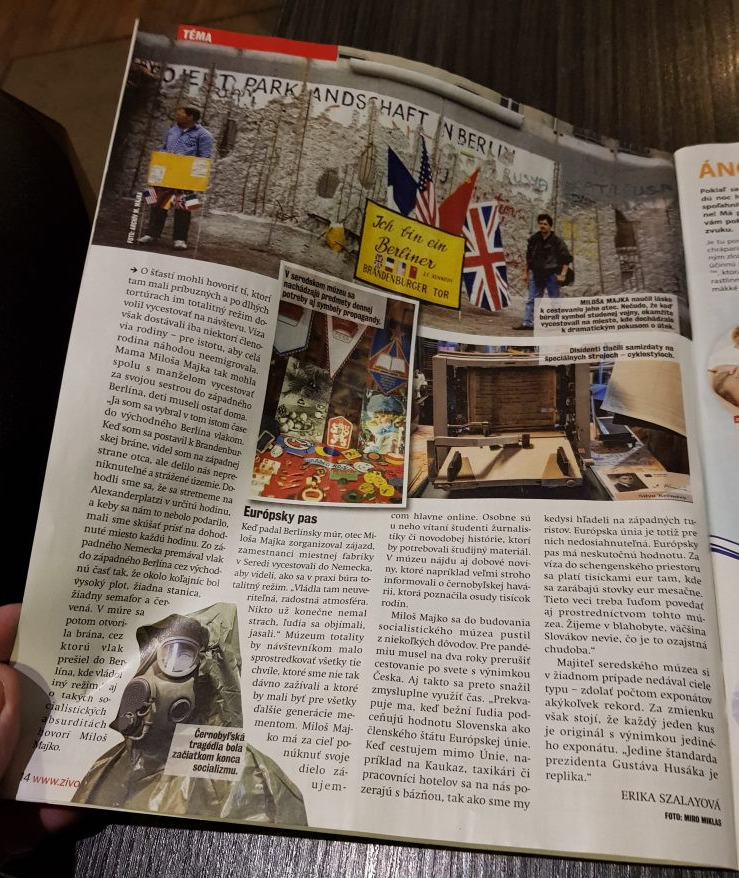
The Velvet Revolution in Czechoslovakia in November 1989 changed a great deal. It brought freedom of speech, democracy, and the opportunity to travel the world. And we are proud to have personally participated in the dismantling of the Berlin Wall in 1990, immediately following the democratic processes in the former GDR.

An original piece of the Berlin Wall, chipped off during its dismantling, is preserved in the Múzeum totality (Museum of Totalitarianism) in Sereď, inside a showcase dedicated to the former German Democratic Republic (GDR).

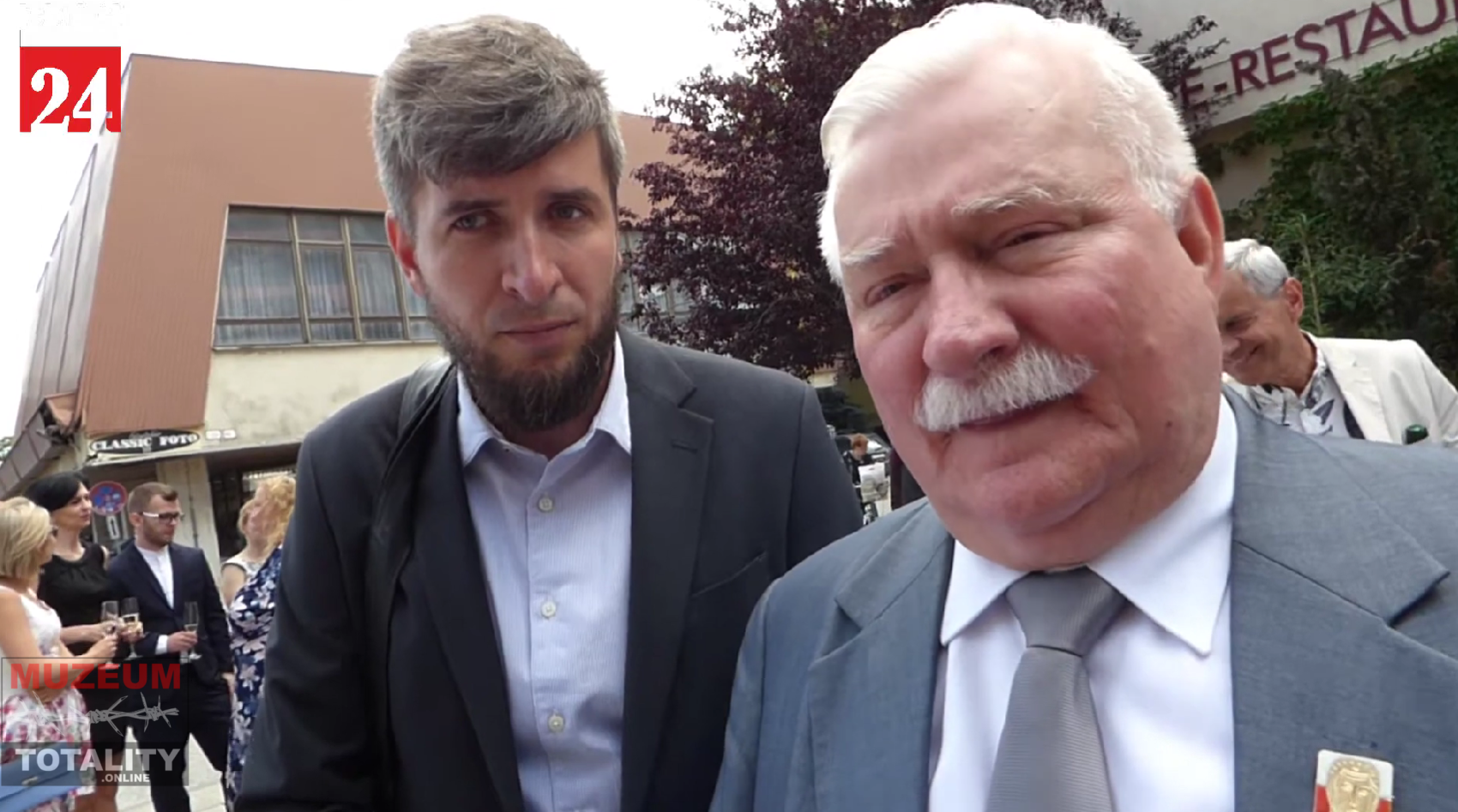
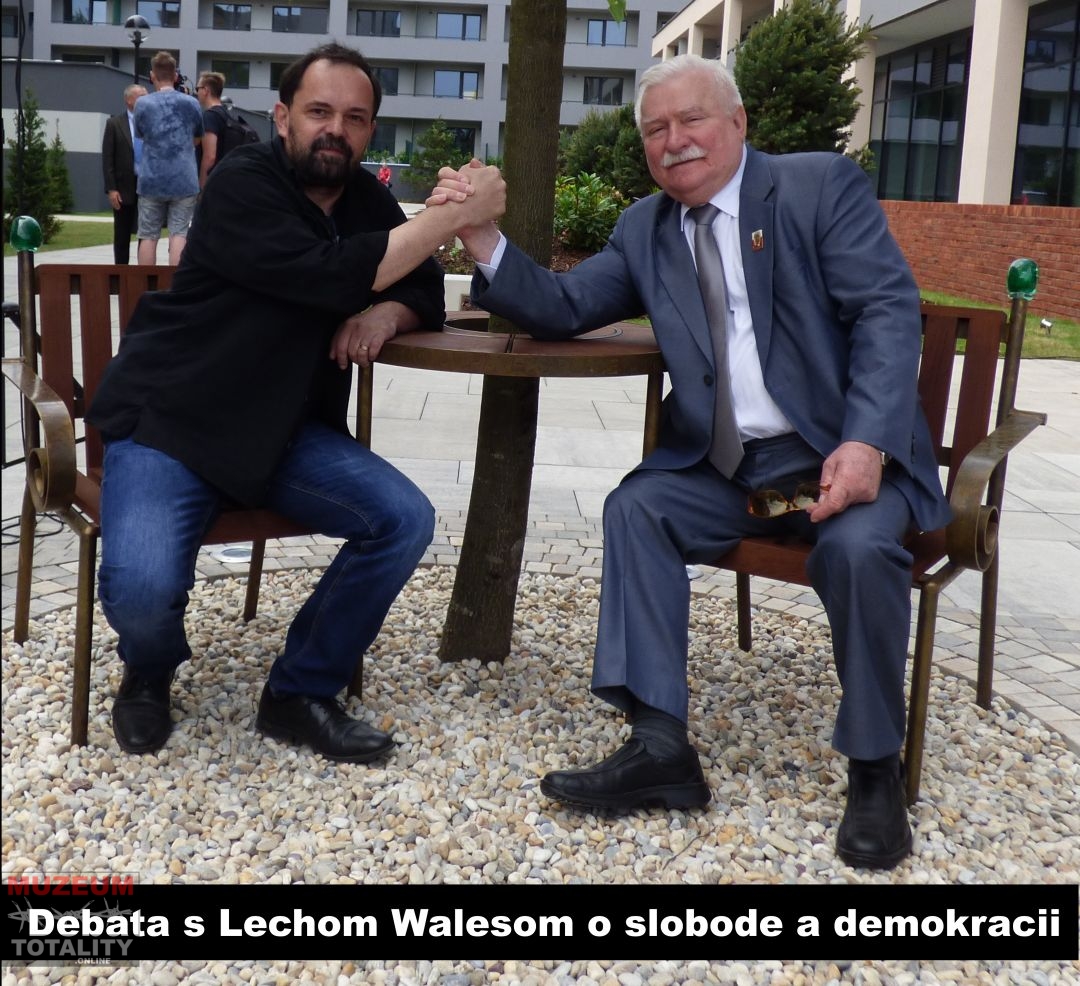
Following the revolutionary changes in the former socialist countries, it was a profound honor for me to personally meet with Lech Wałęsa—a prominent dissident, Nobel Peace Prize laureate, and former President of the Republic of Poland. With deep admiration and respect, I took the opportunity during this personal meeting with such an extraordinary individual to discuss history and the Solidarity movement, which reshaped the course of history.

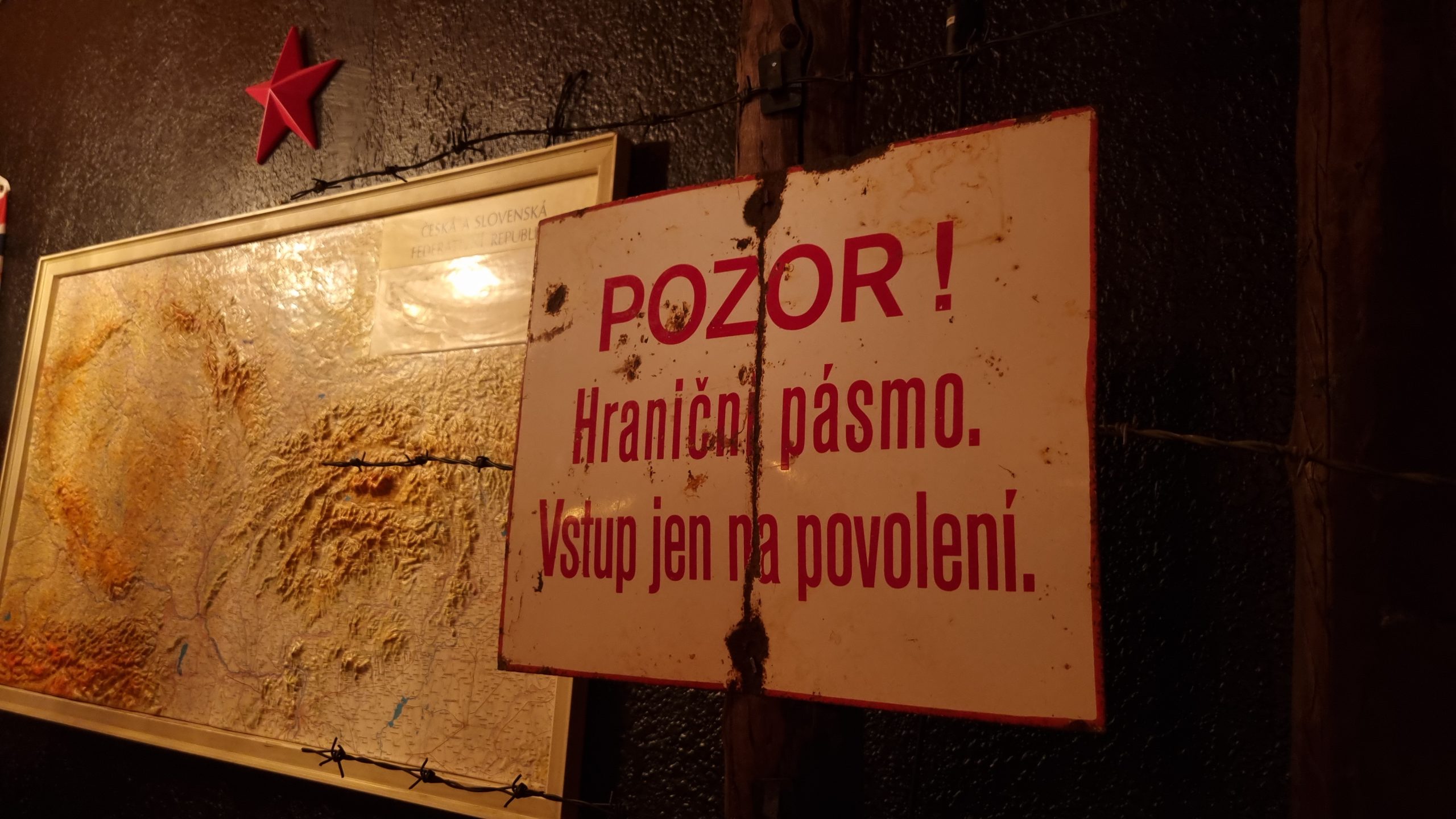
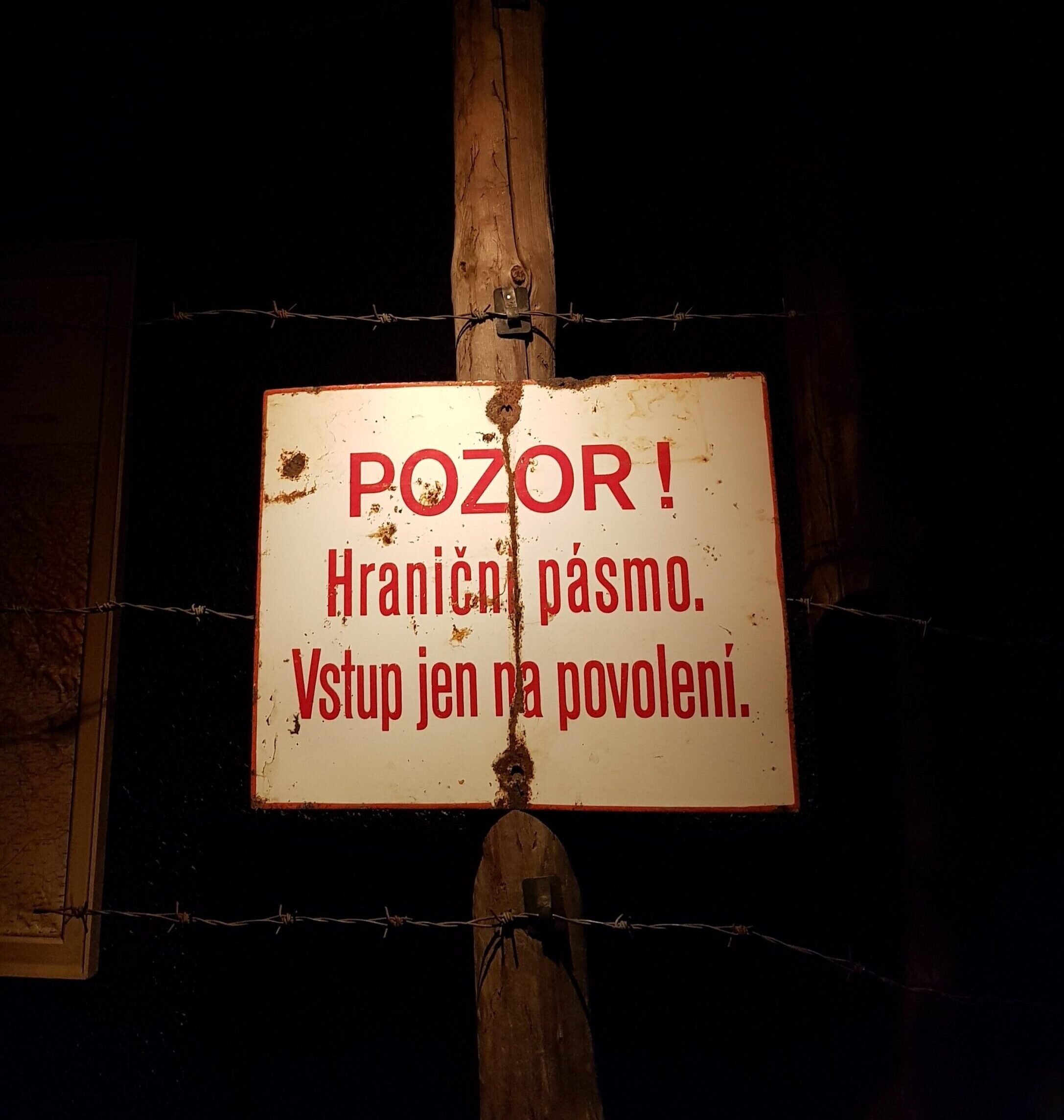
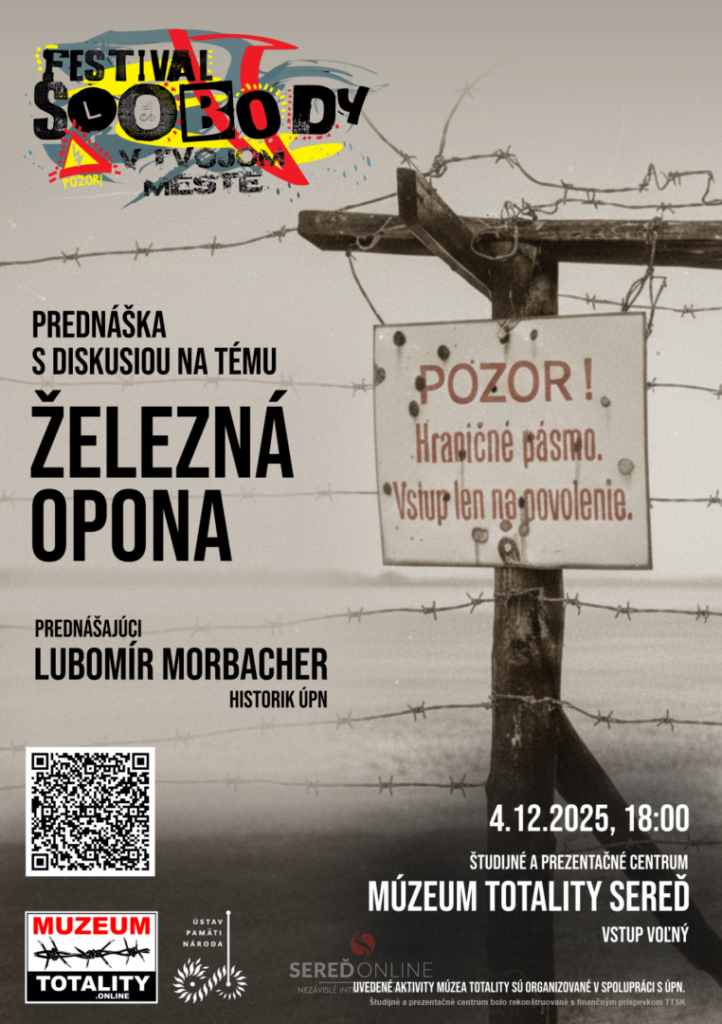
A fragment of the original Iron Curtain from the state border of Czechoslovakia (ČSSR), near the town of Znojmo.

Hopefully, this newly established museum will reveal the true face of socialism, even to those who only know about life during that era from the stories of much older generations.

And there is yet another profound reason for us to build the Museum of Totalitarianism and to fill it with original artifacts from the era of socialism.

We want our children, their children, and our great-grandchildren to understand that smartphones with touchscreens, built-in cameras, and what is essentially an online computer, cinema, and television all in one, have not always been around. We want them to know that back then, children did not even need branded jackets, t-shirts, sneakers, or other things taken for granted today to find true happiness and joy.

We want them to see that instead of communicating via text messages, emails, and social networks, children used to run around outside. They grew up playing with clay marbles or simple sticks shaped like submachine guns or modern airsoft rifles. Don’t believe it? Stop by and see it with your own eyes…

Welcome to the Museum of Totalitarianism!

Inside the Museum

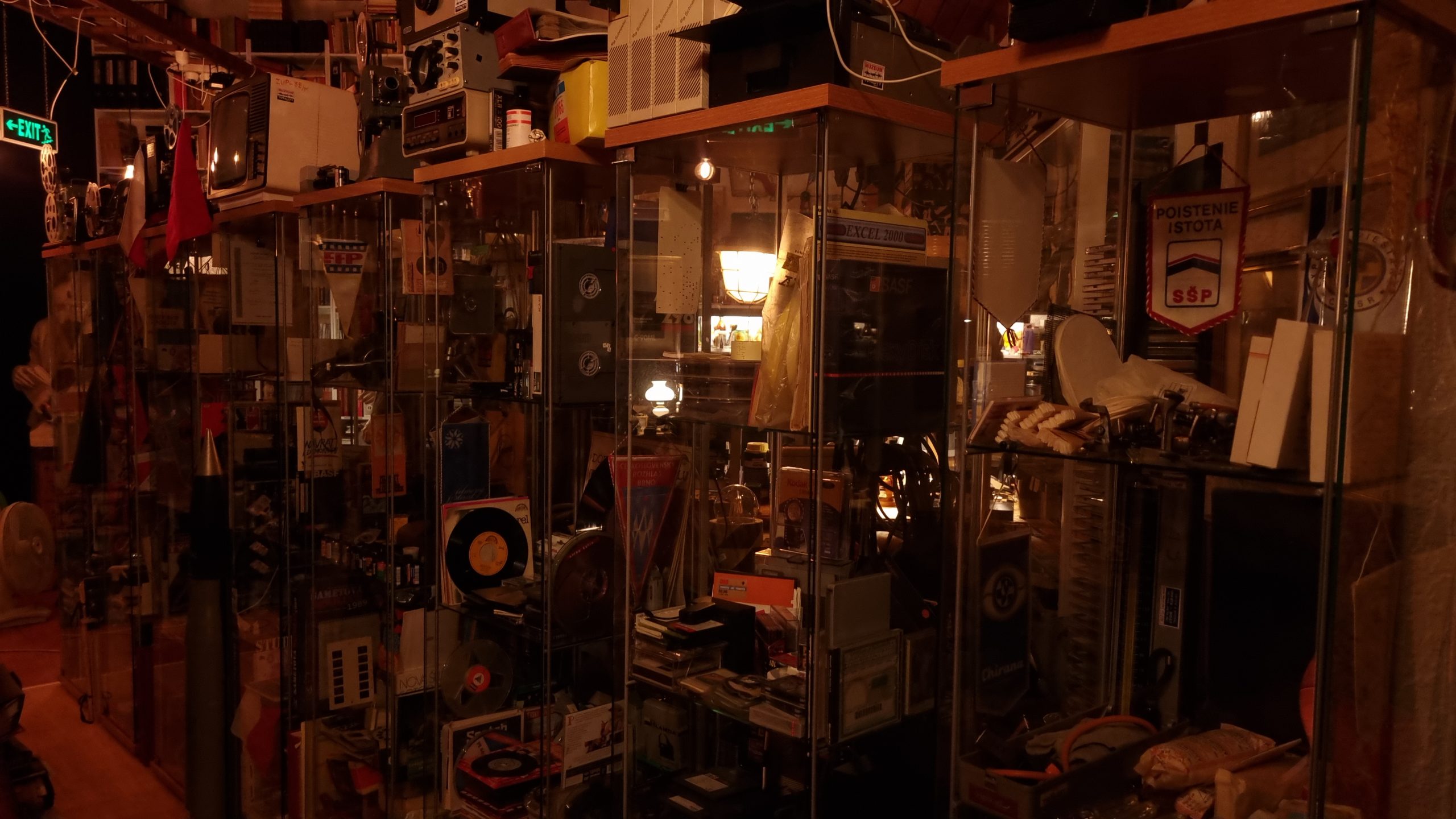
Photographs of the interior and exhibitions of the Museum of Totalitarianism are continuously updated; however, due to the constant addition of new exhibits, they may not always reflect the current layout.

We share updates on many interesting novelties and updates in the “Museum News” section.

The Study and Presentation Center of the Museum of Totalitarianism

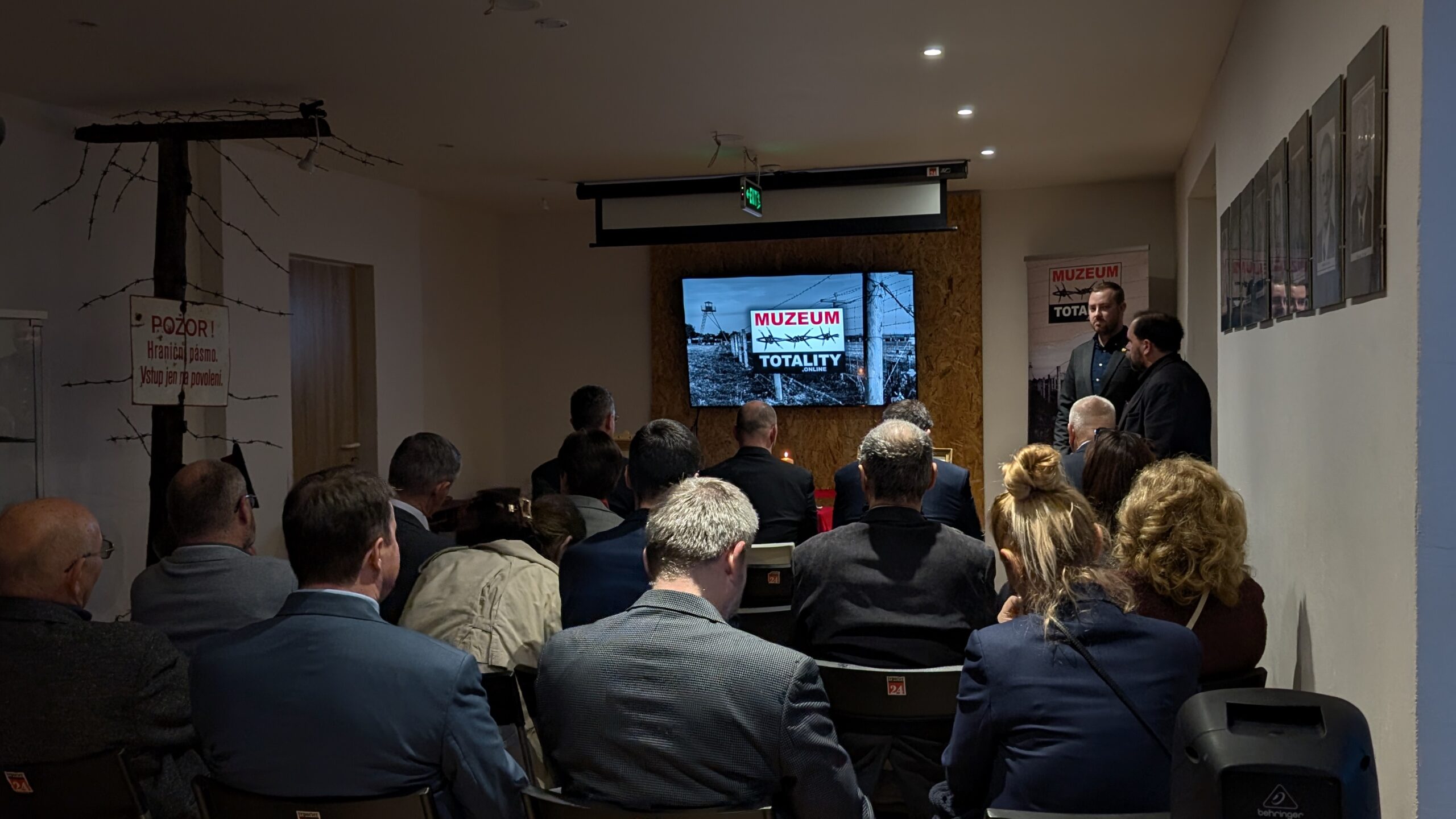
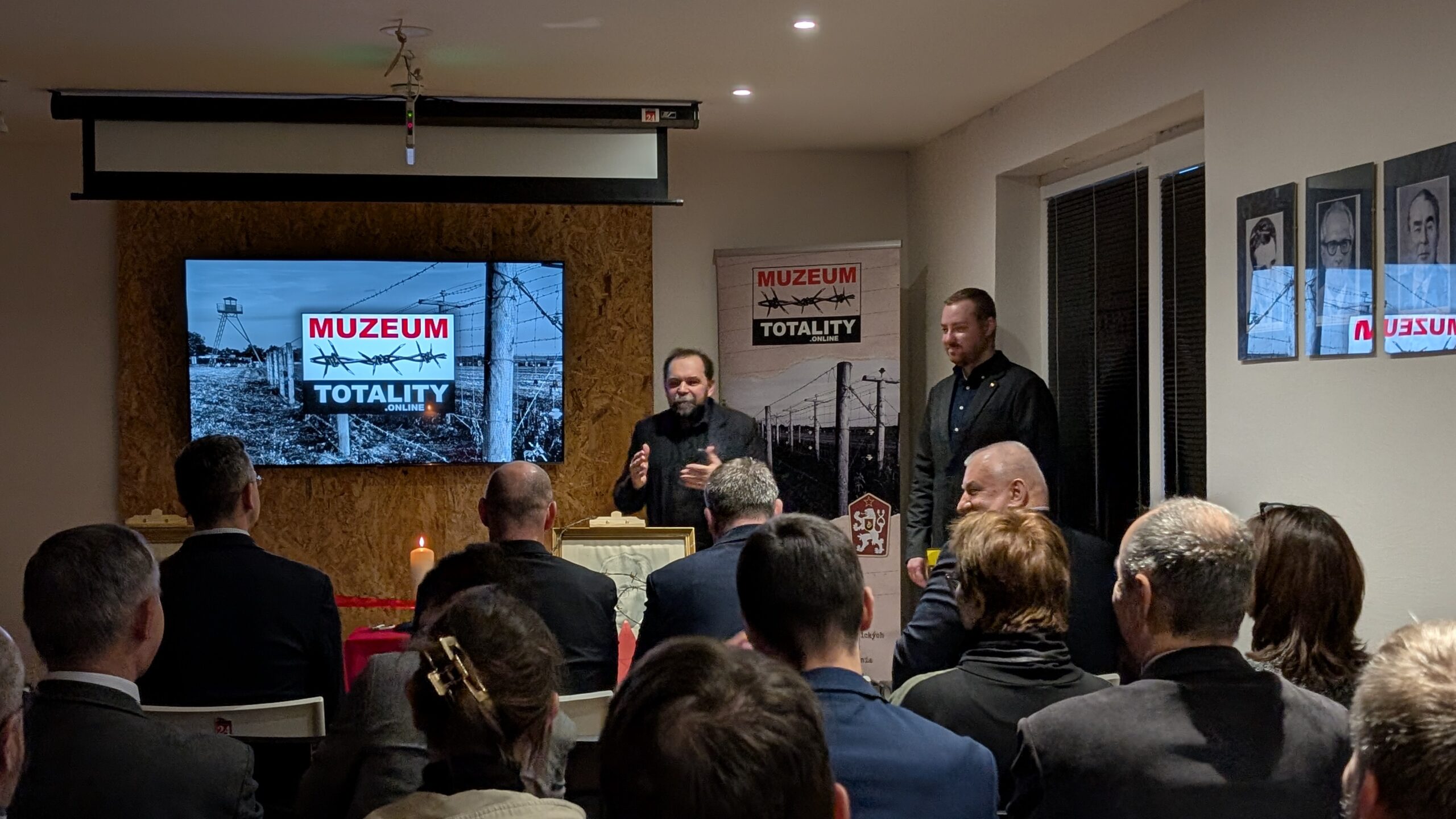
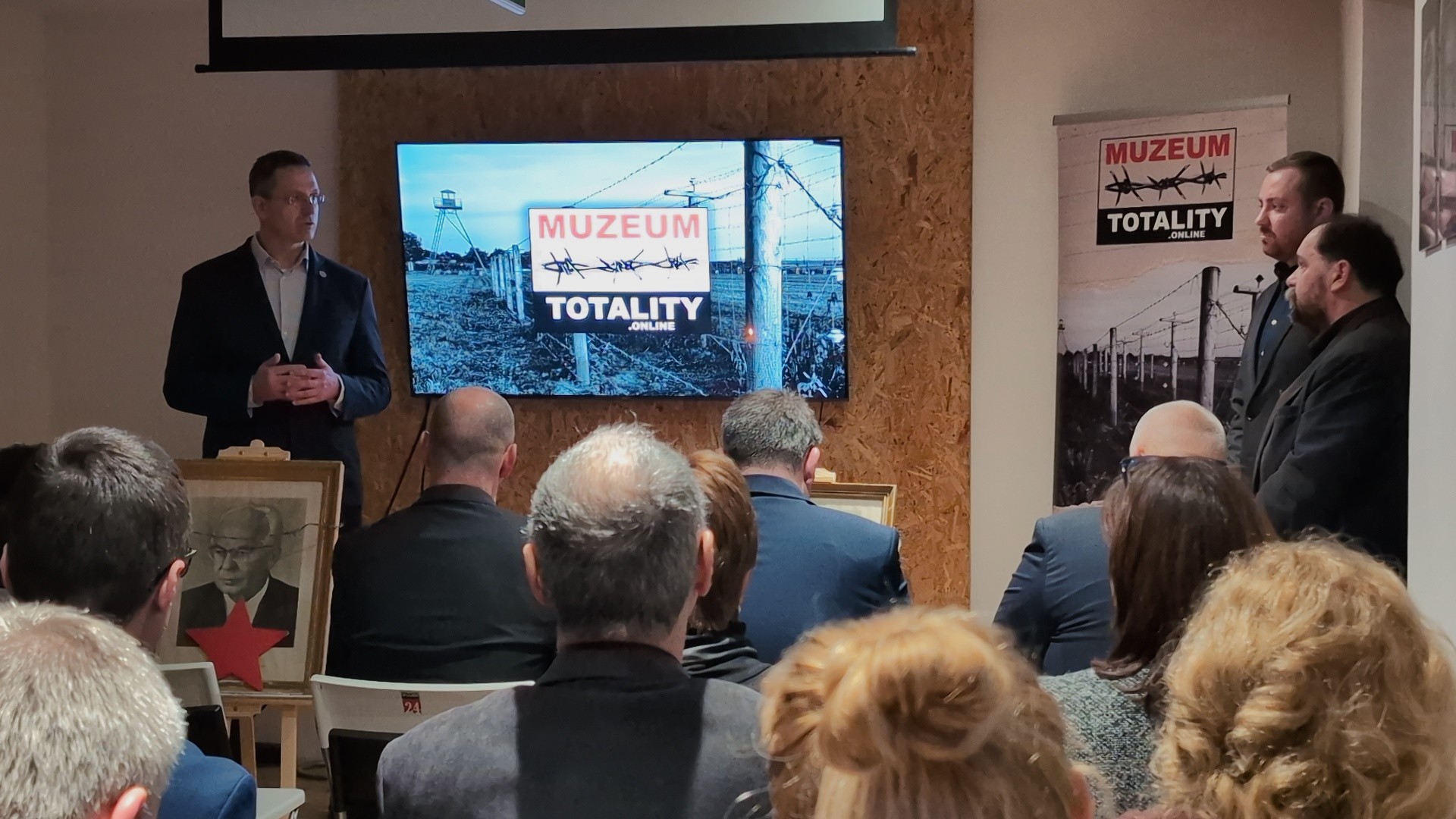
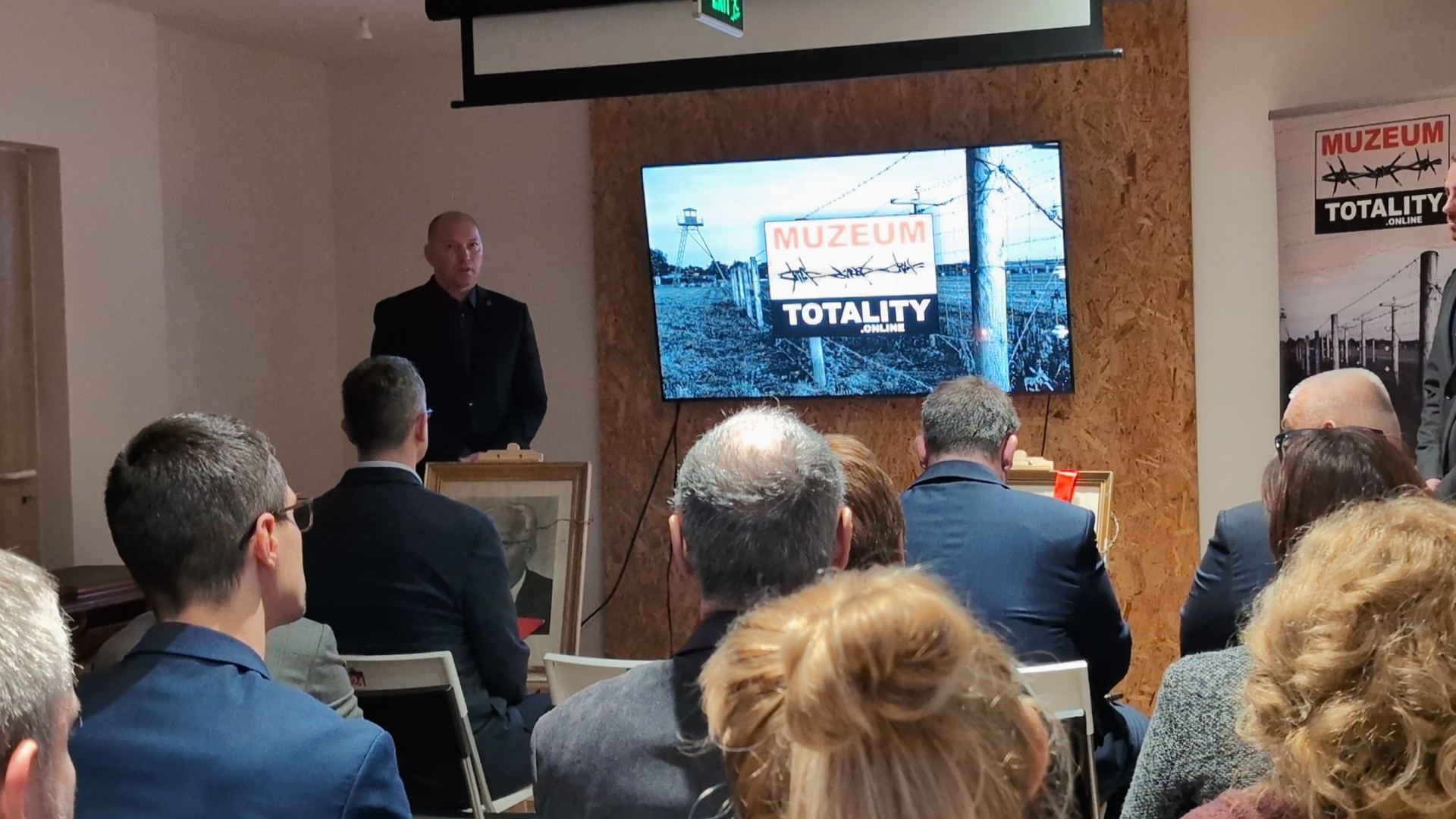
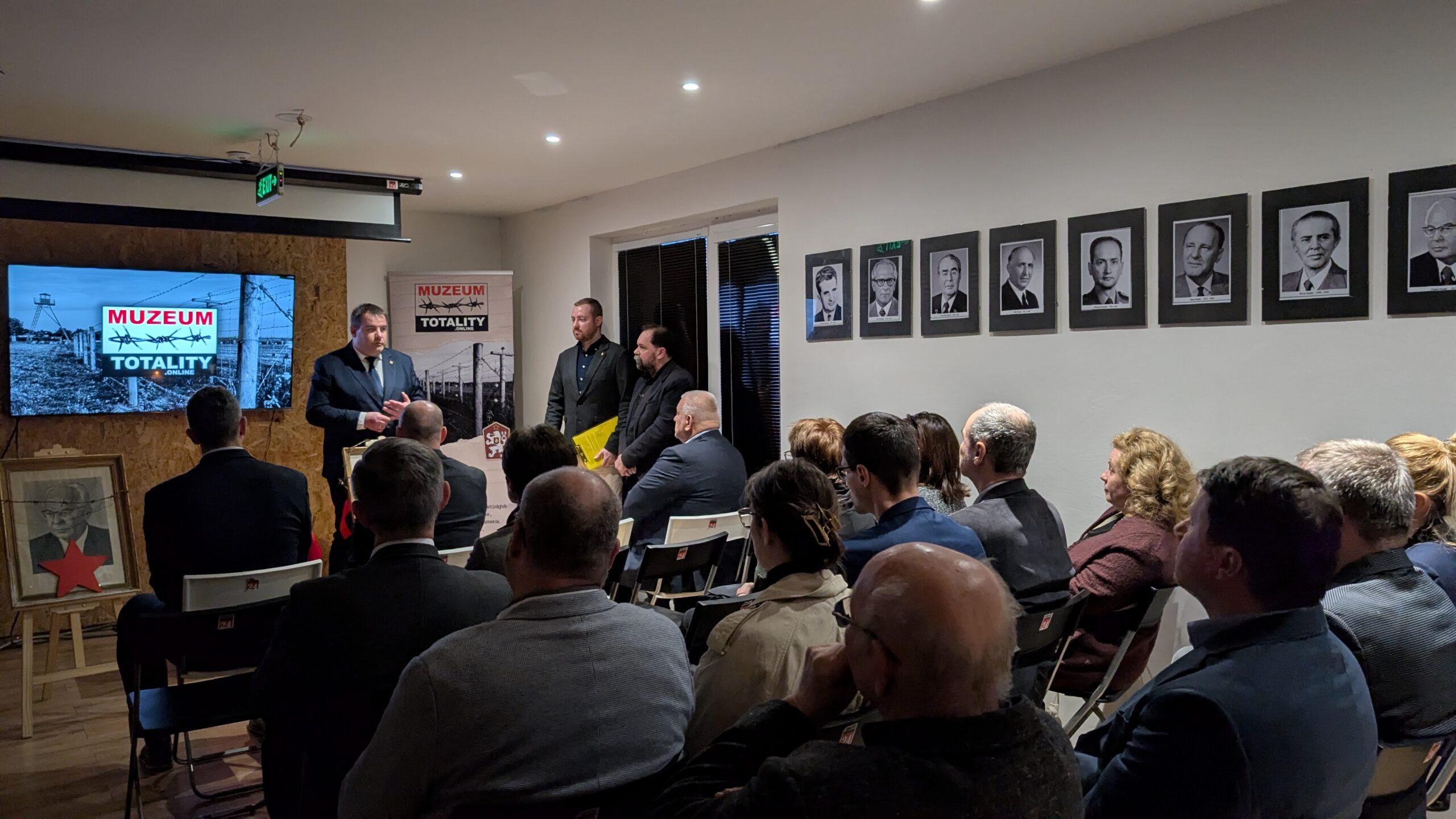
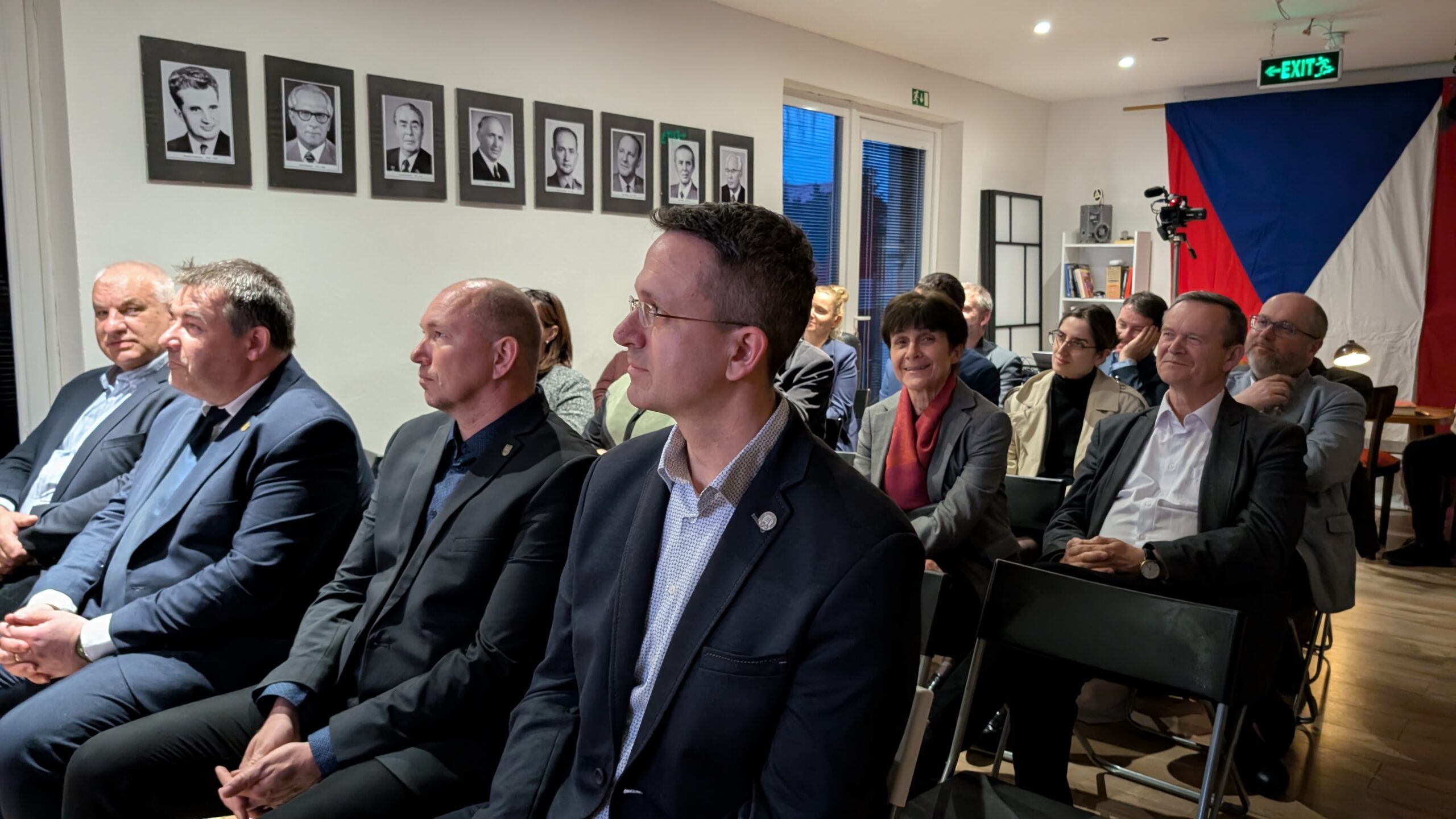
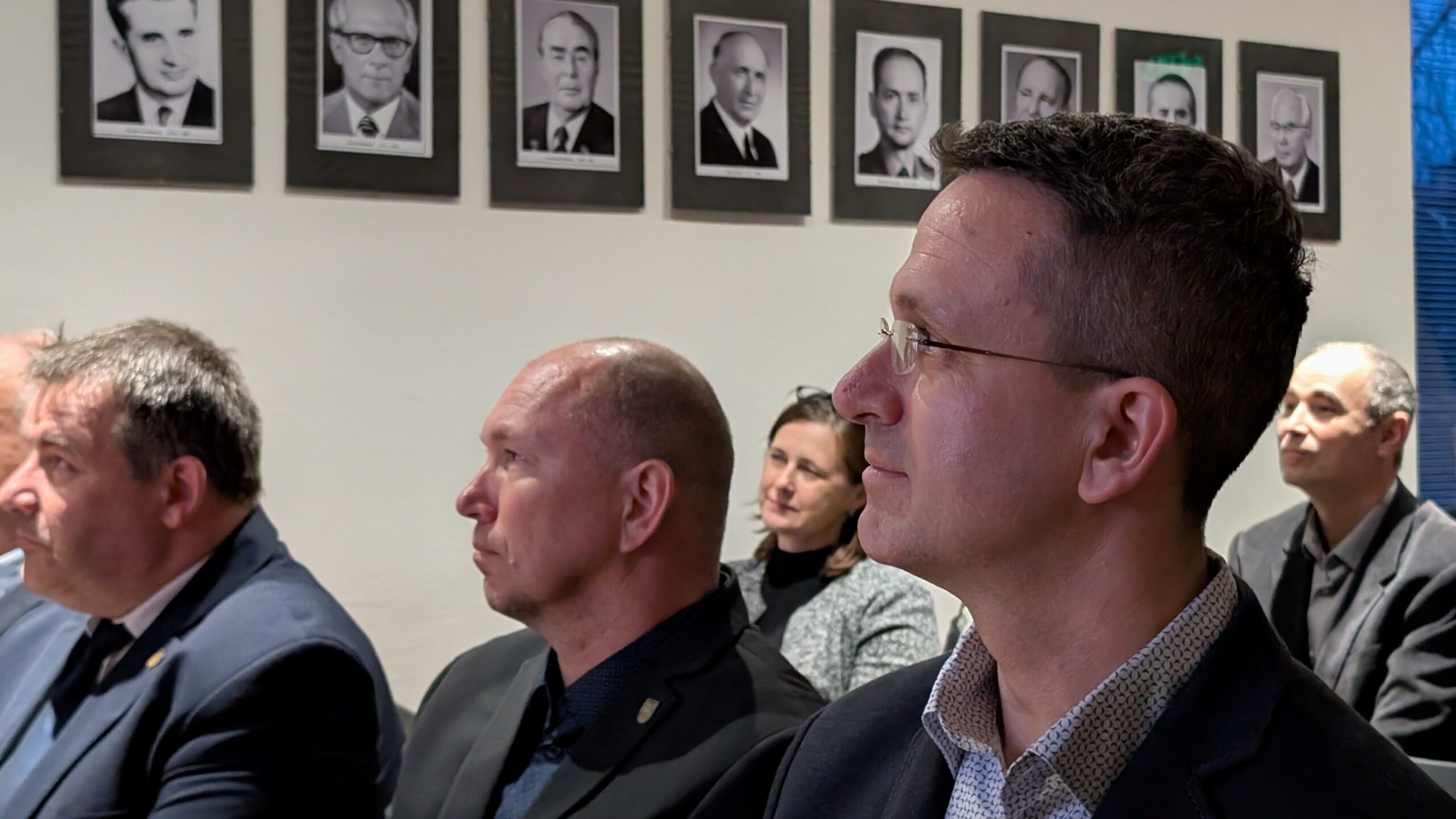
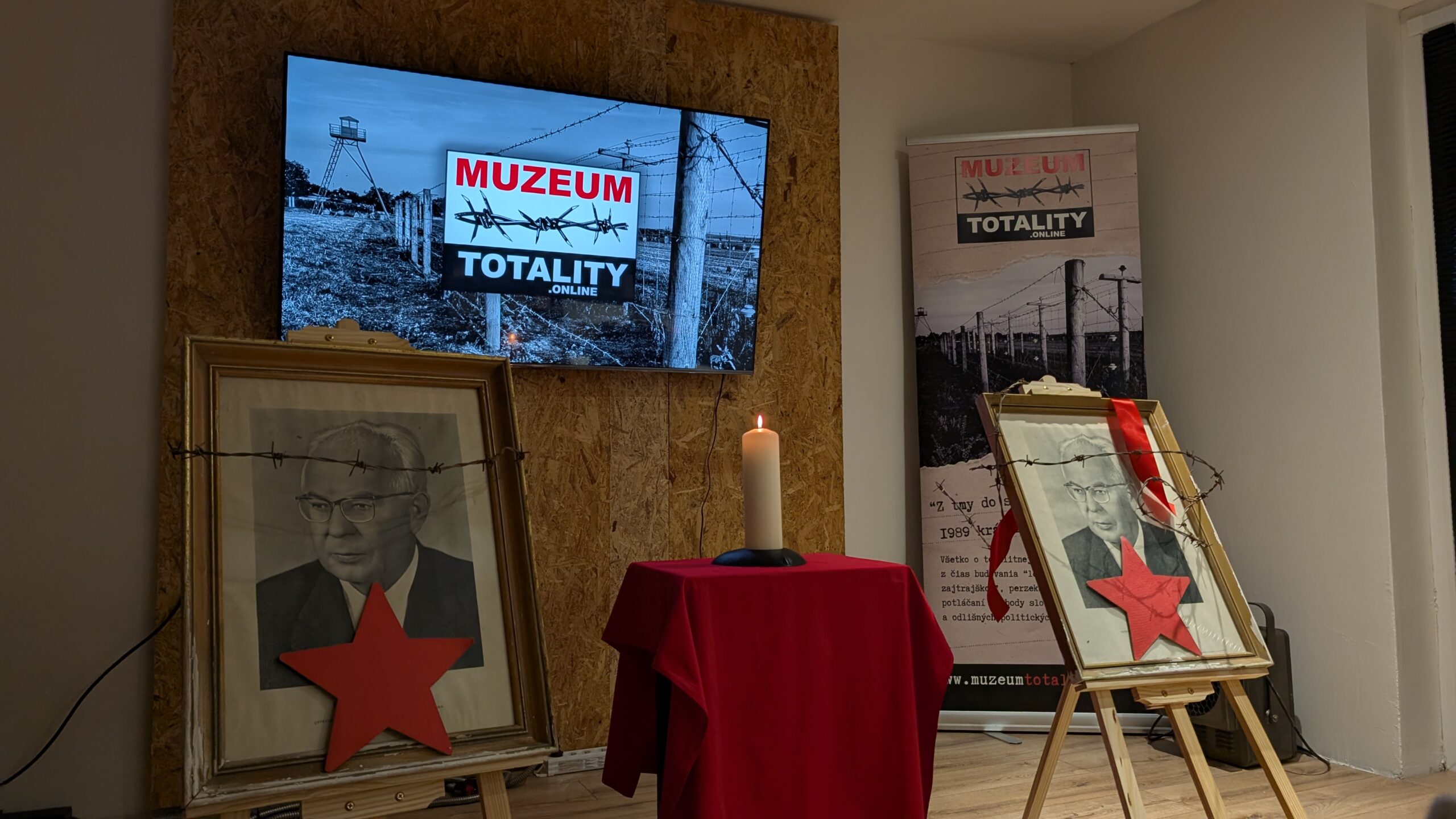
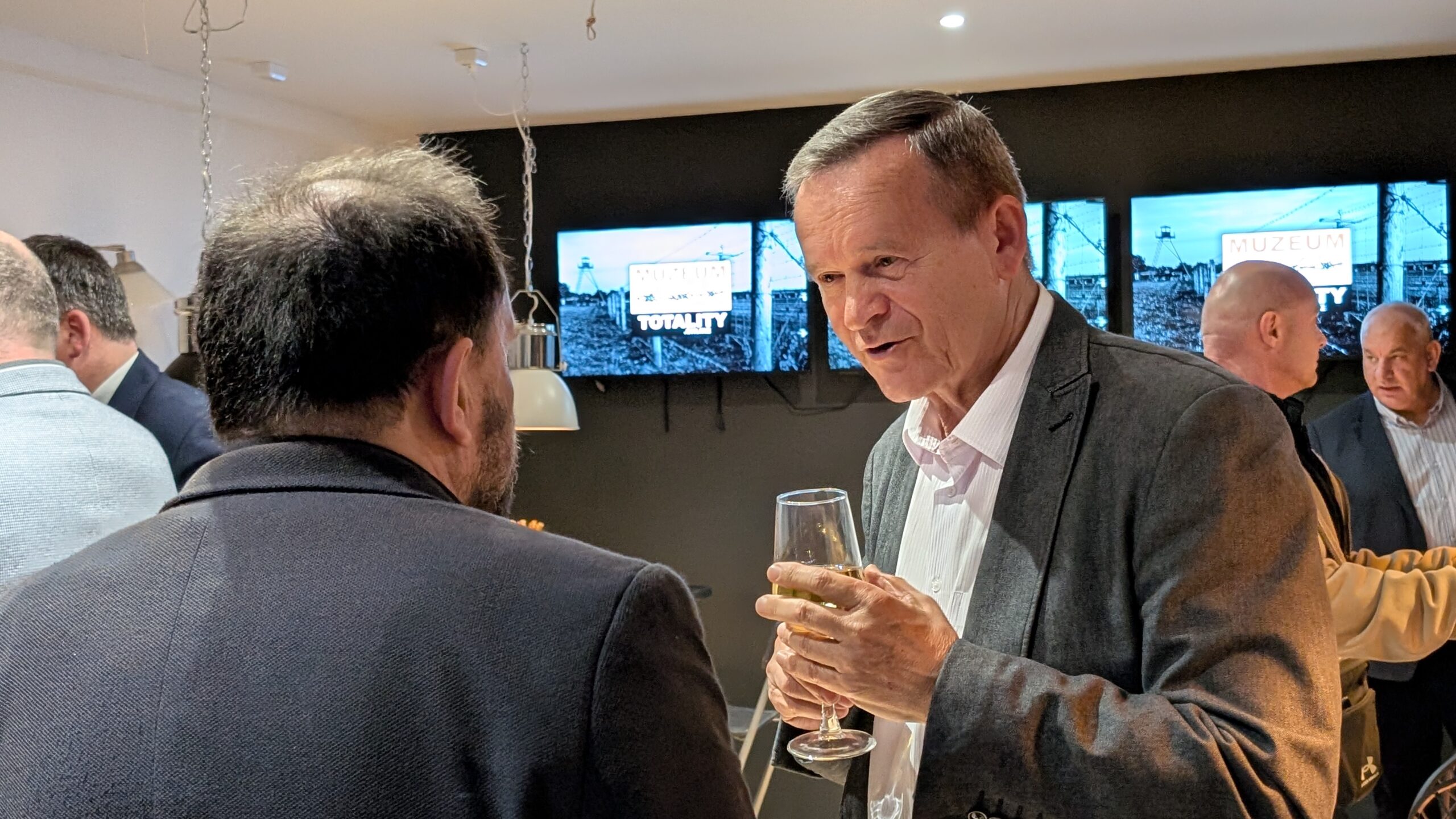
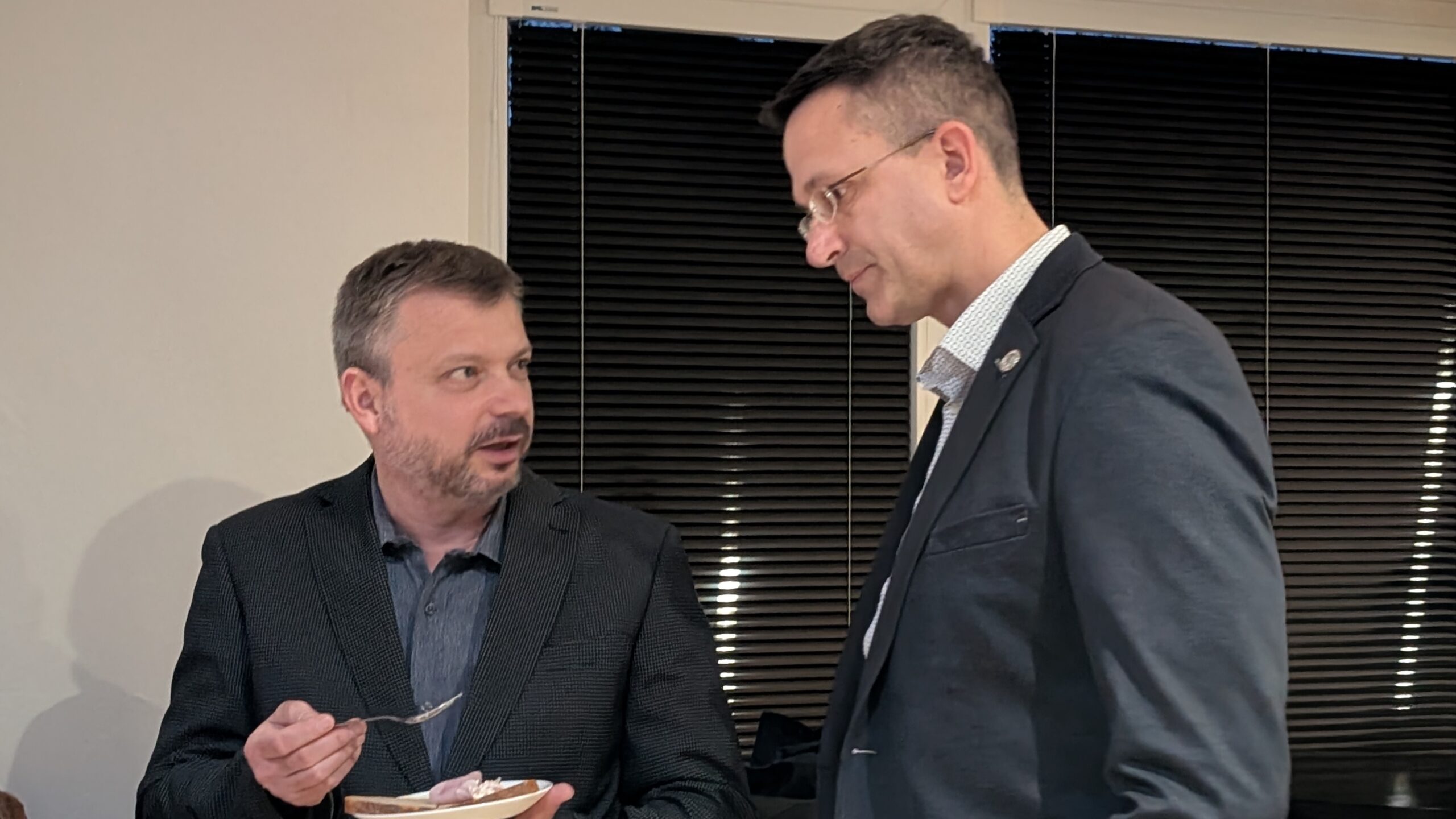
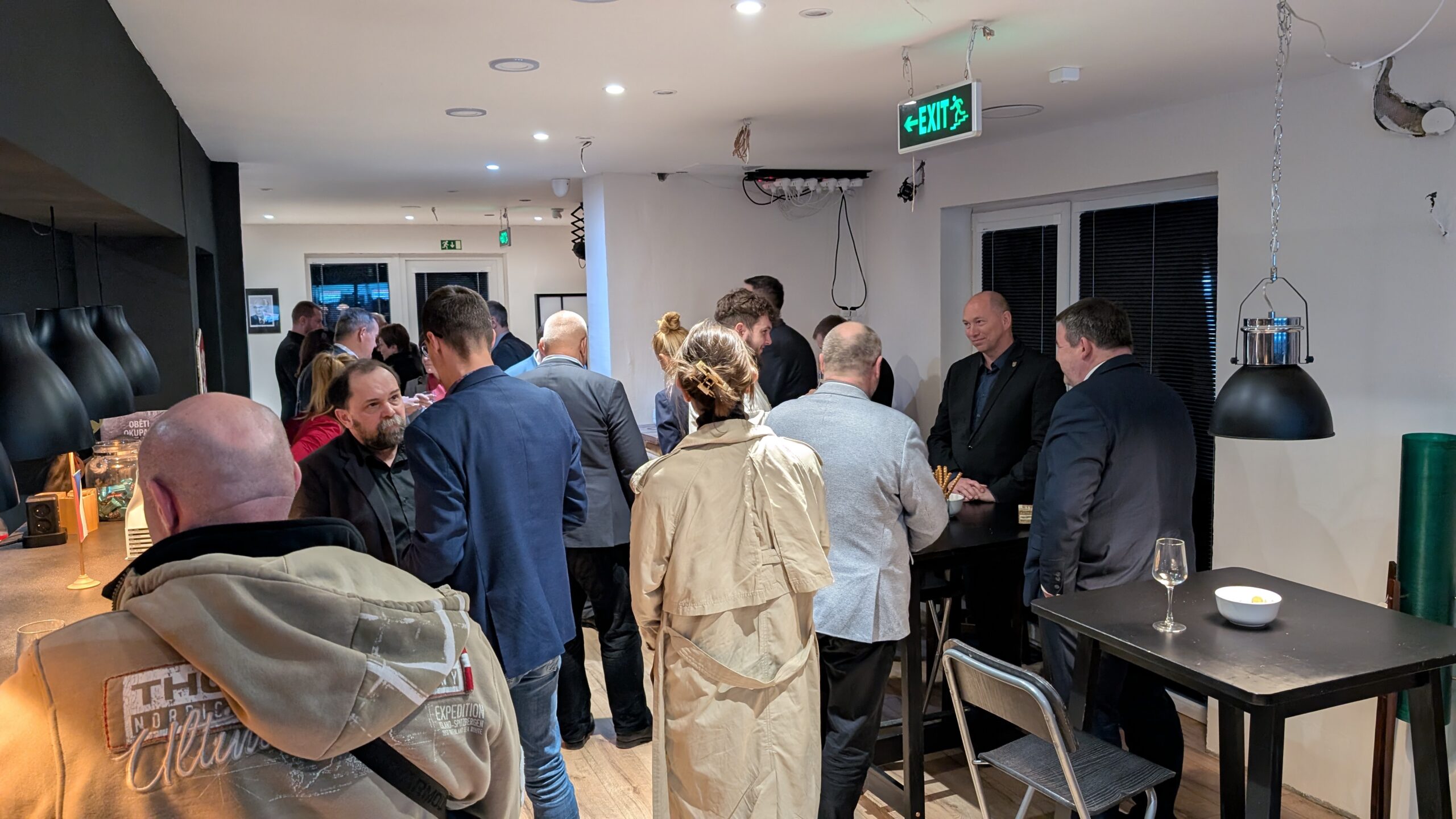
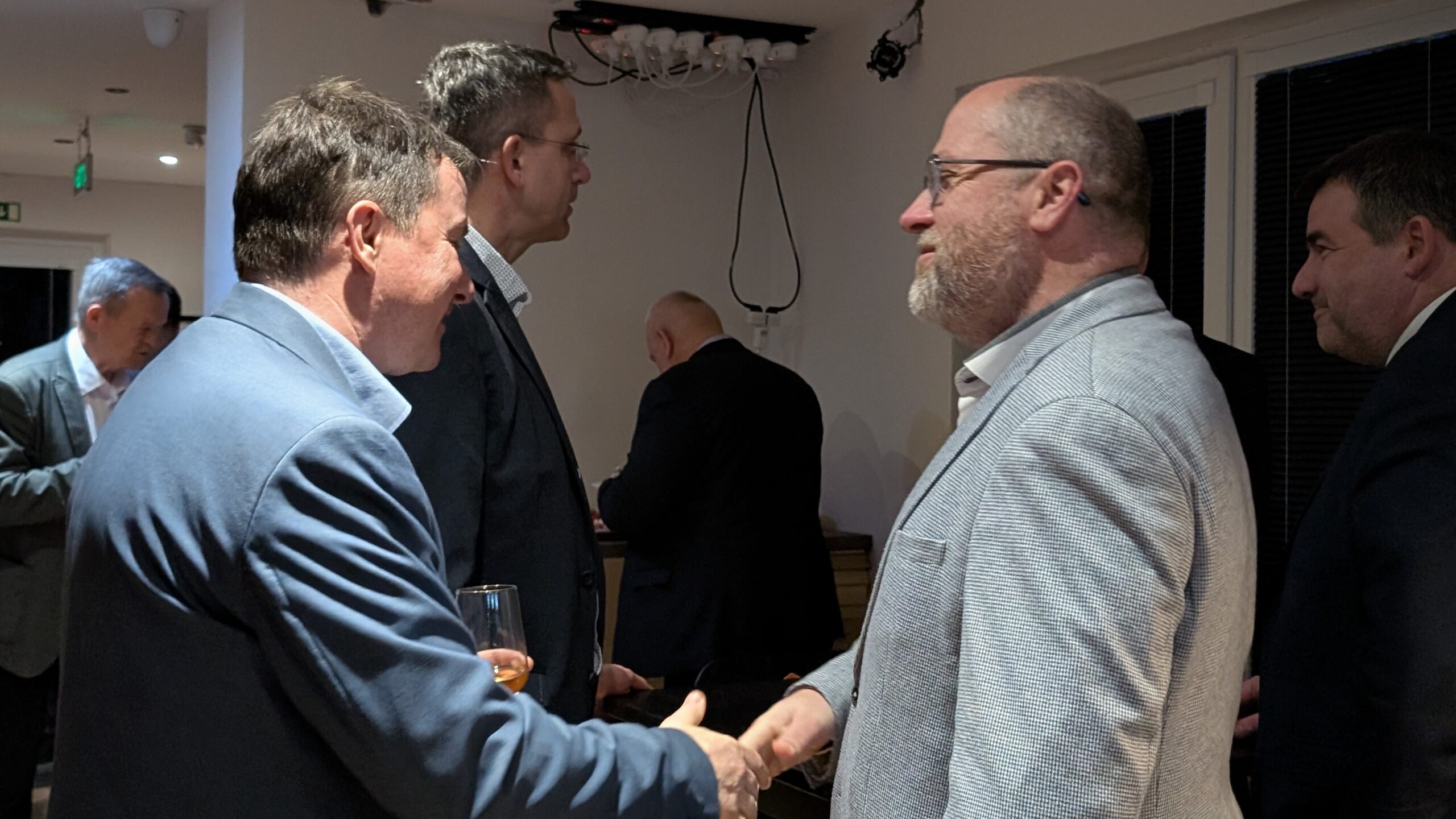
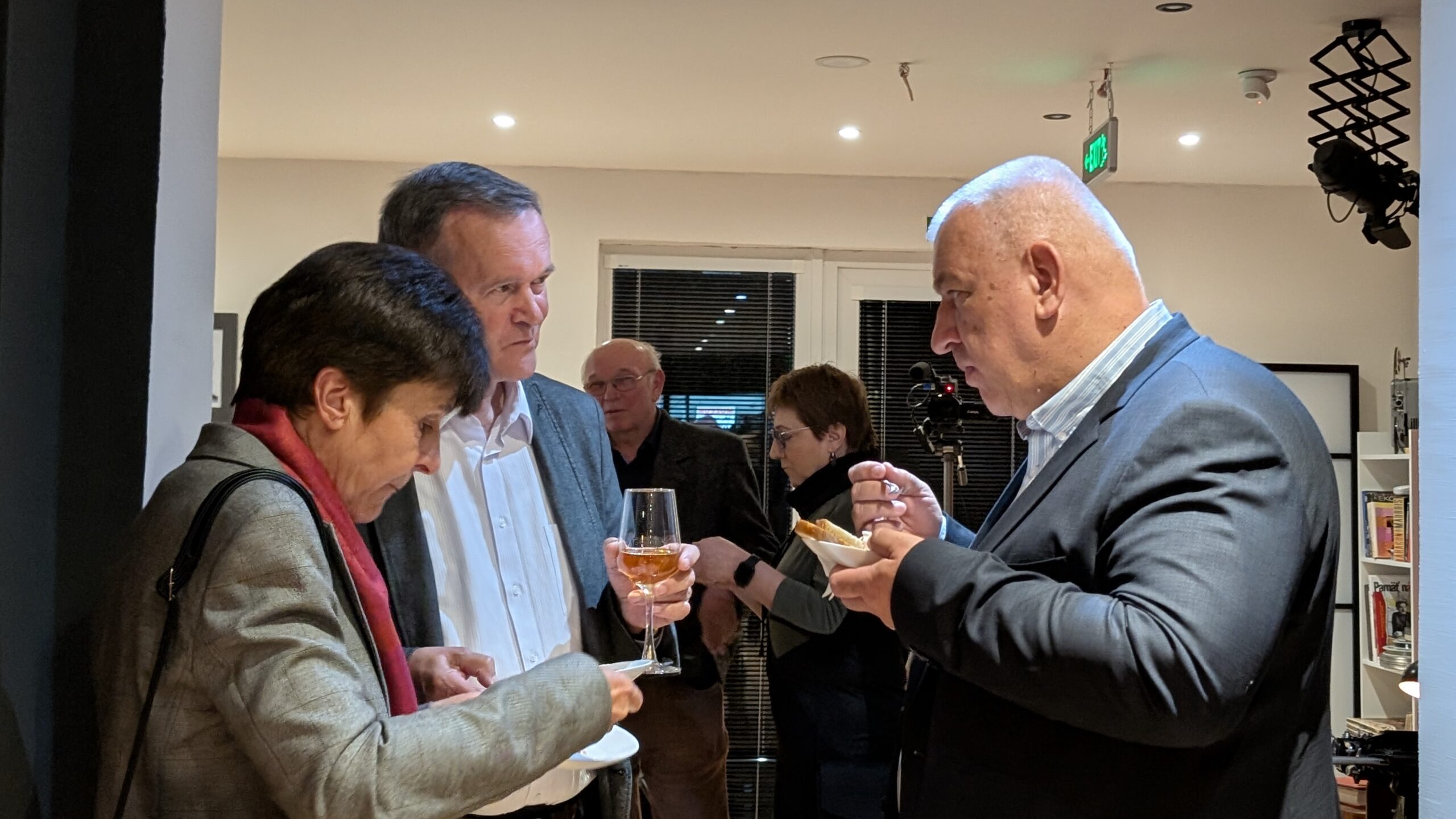
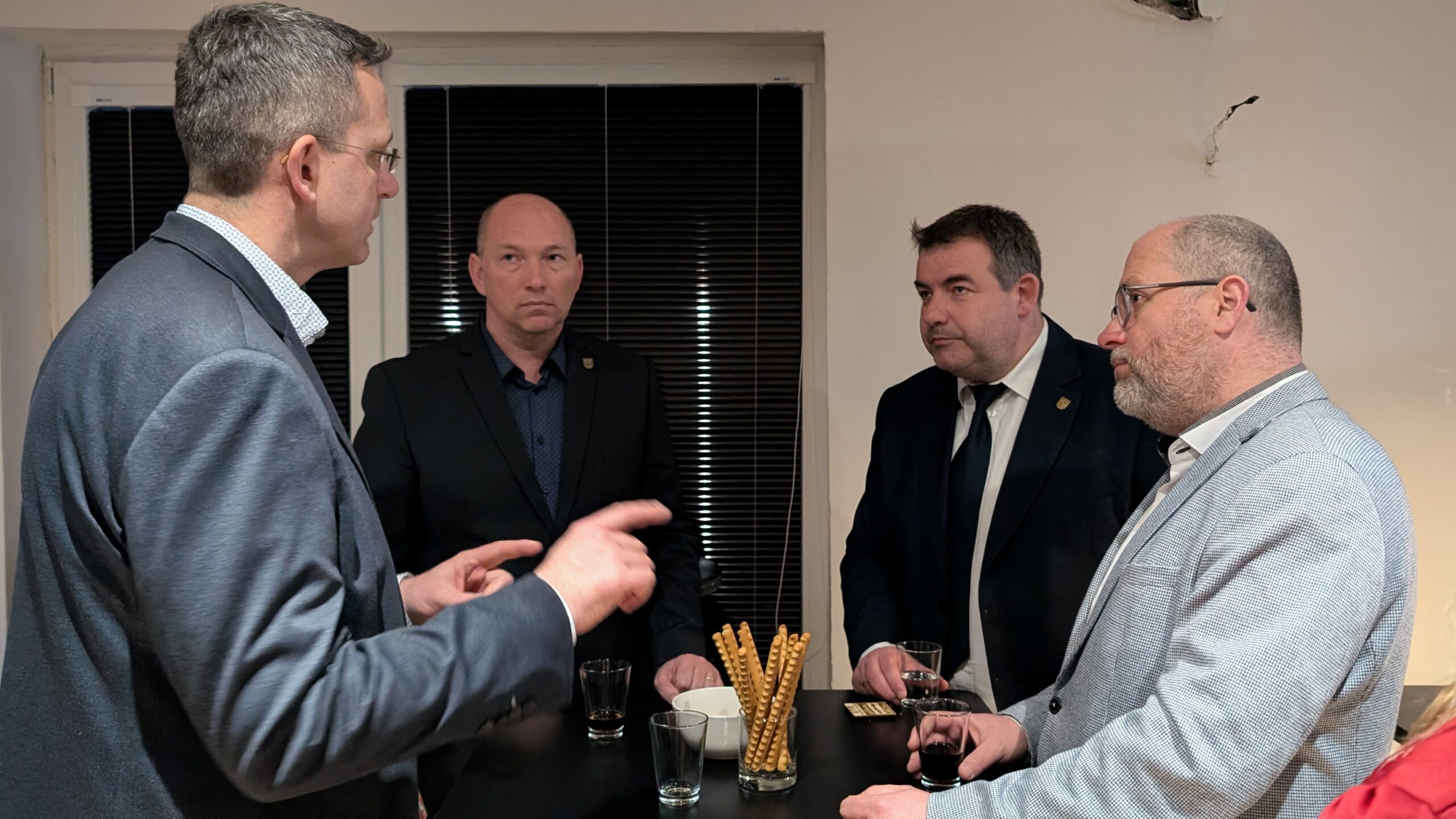
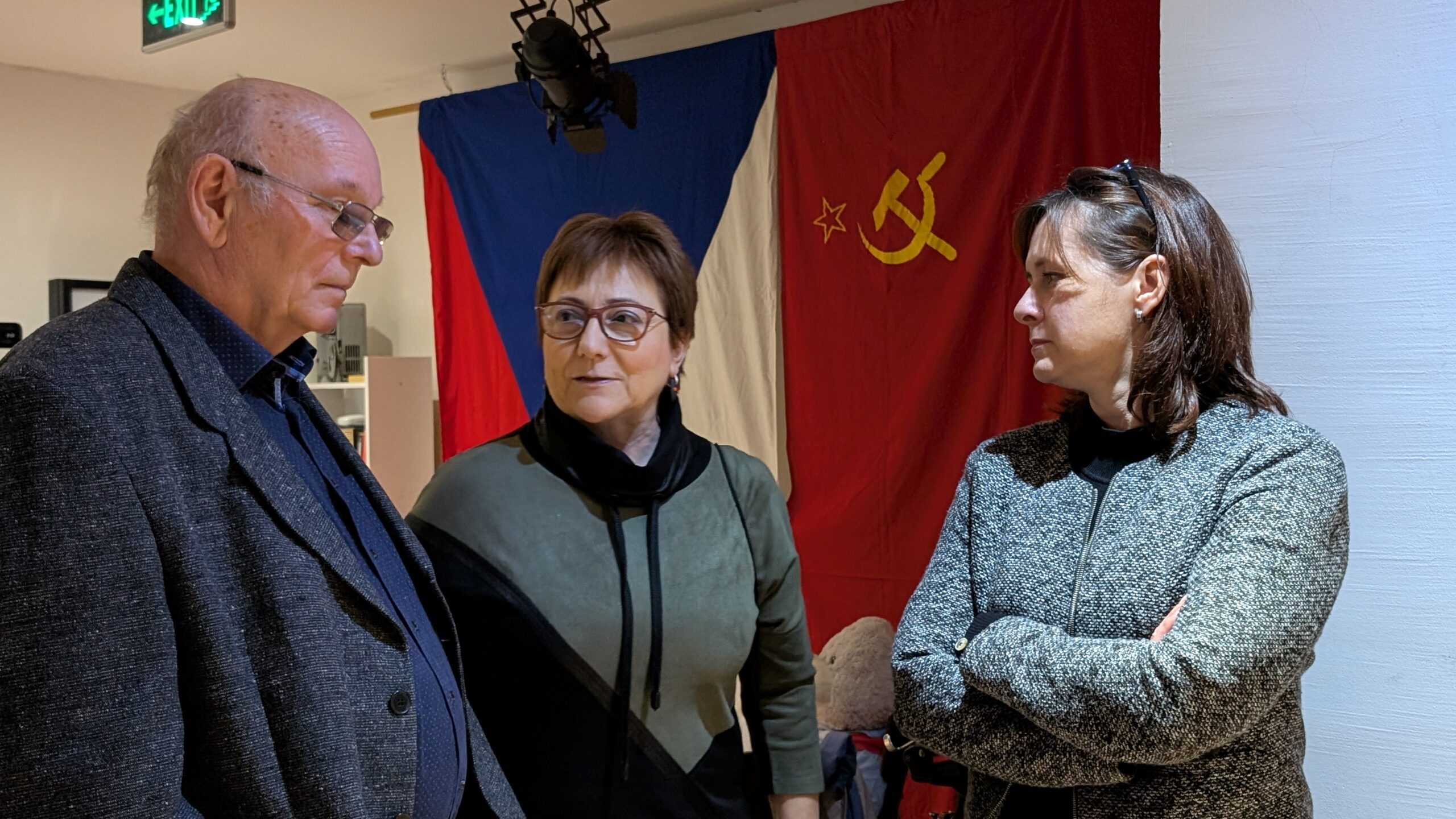
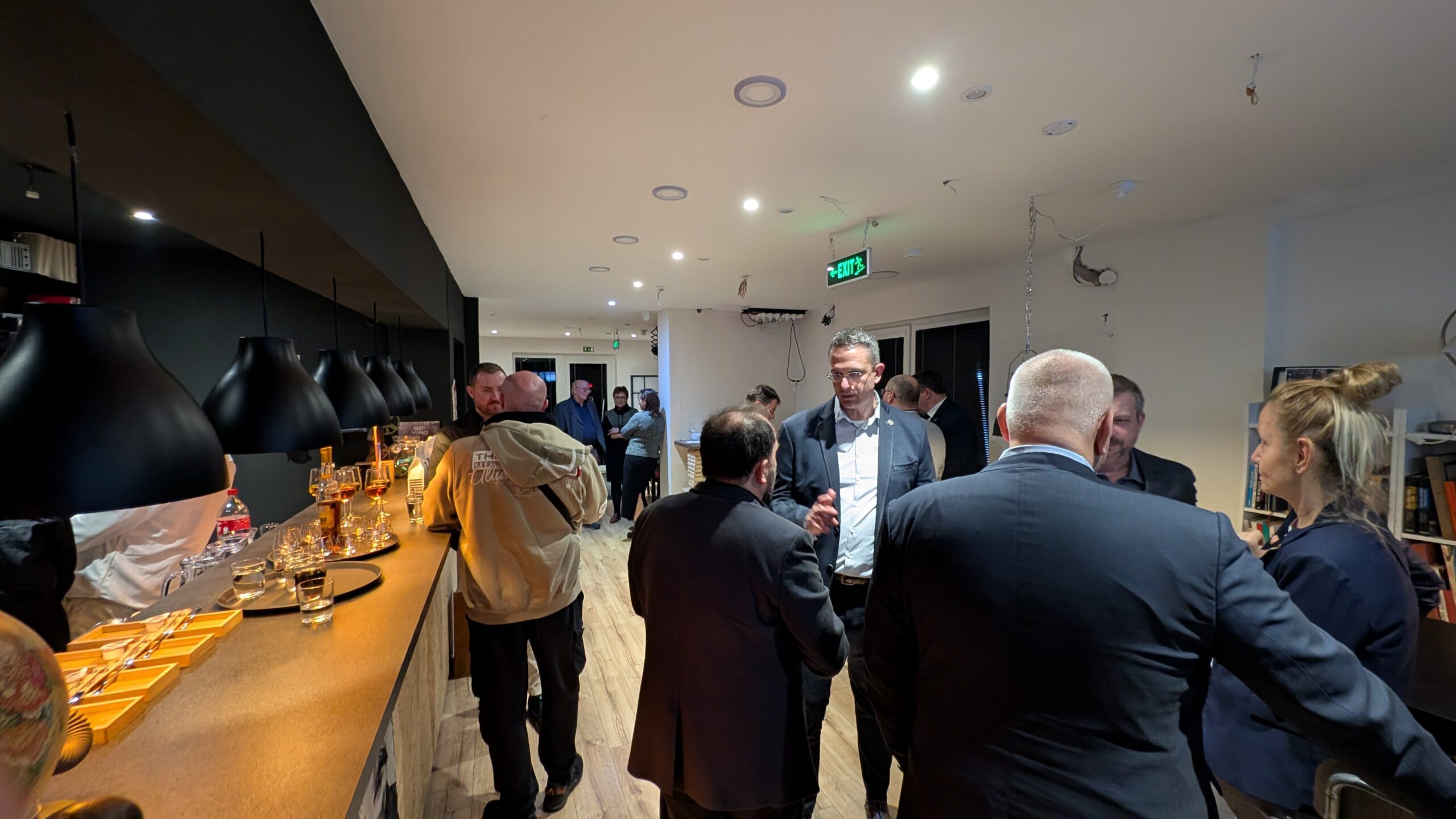
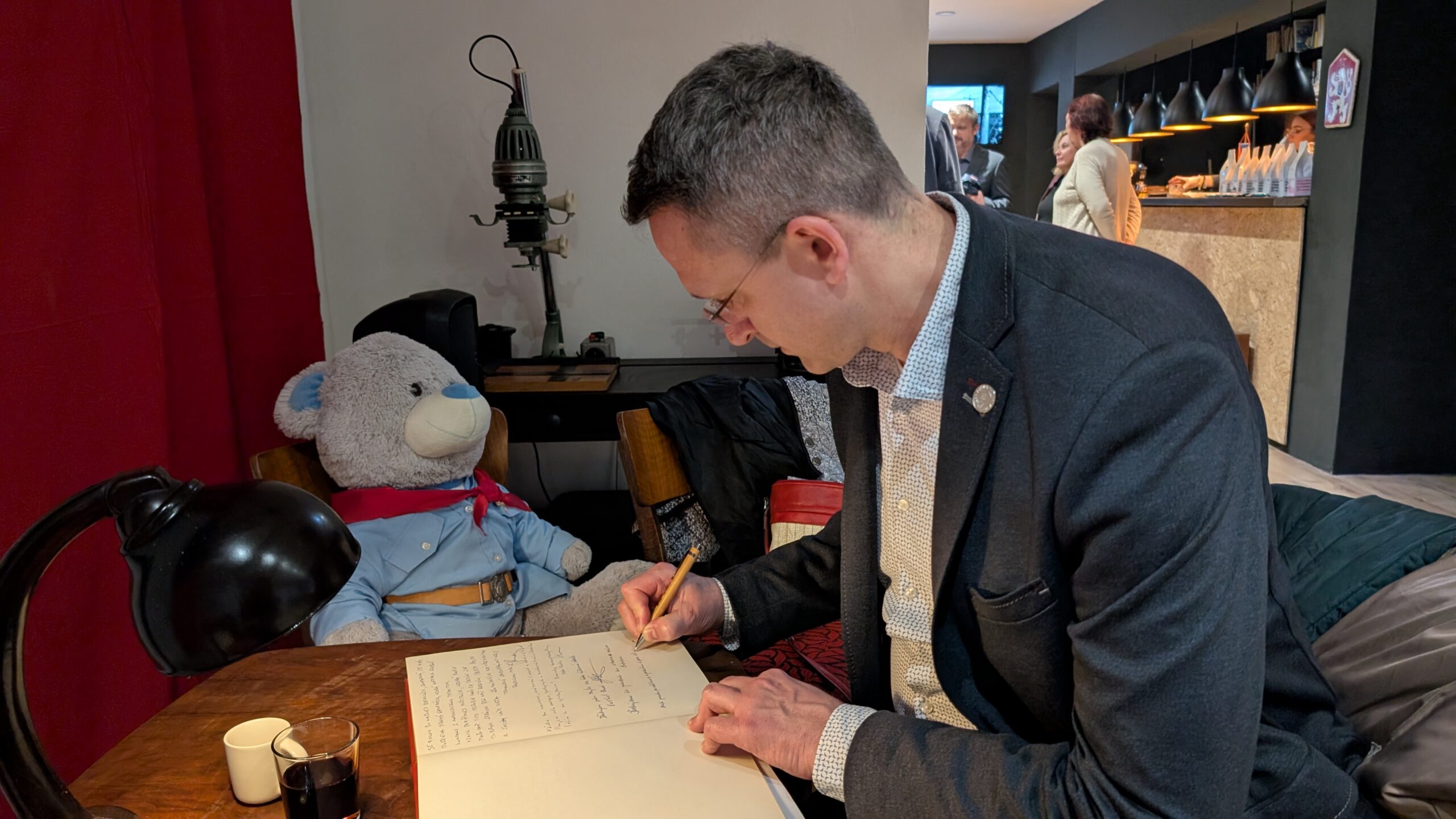
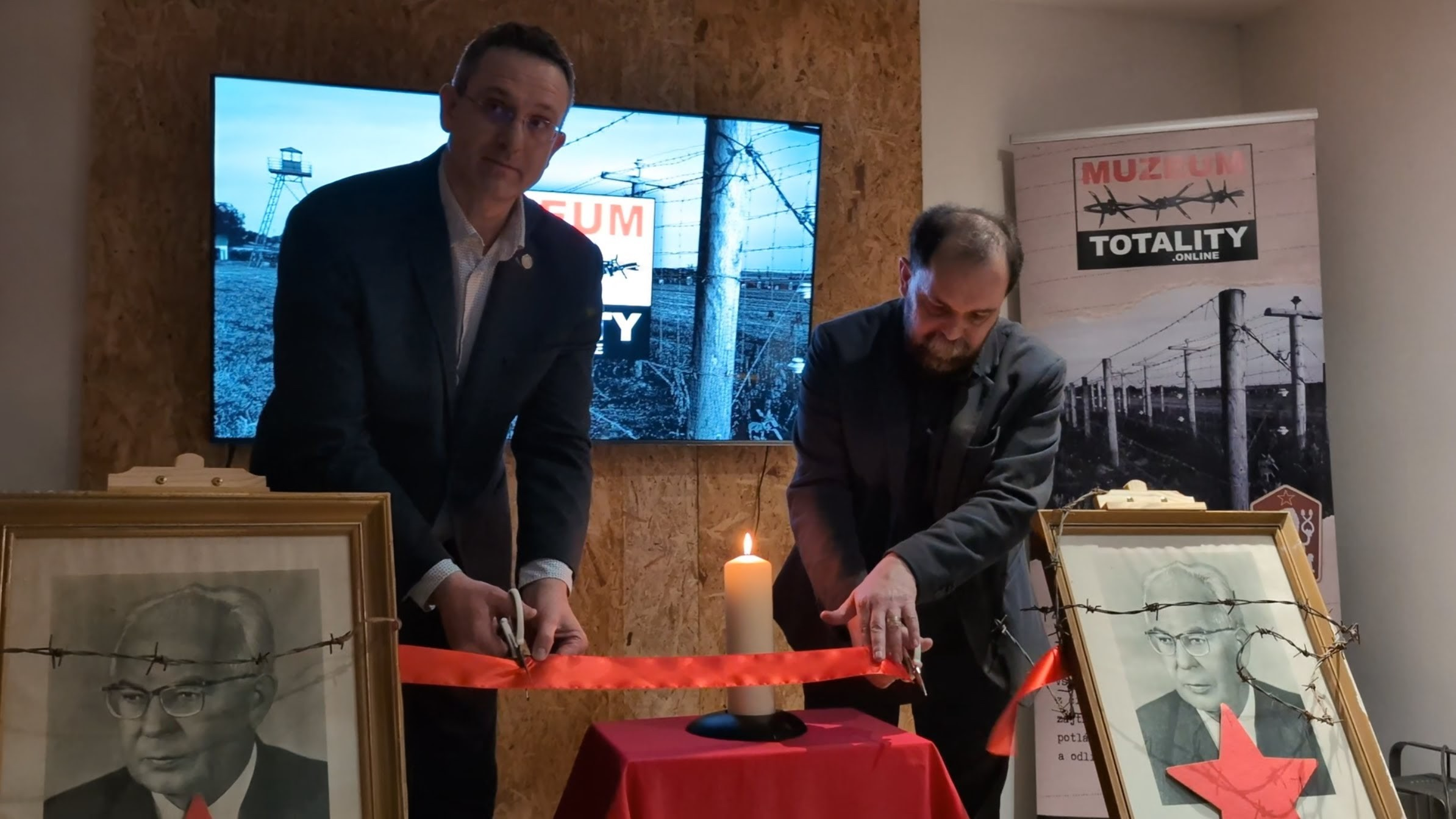
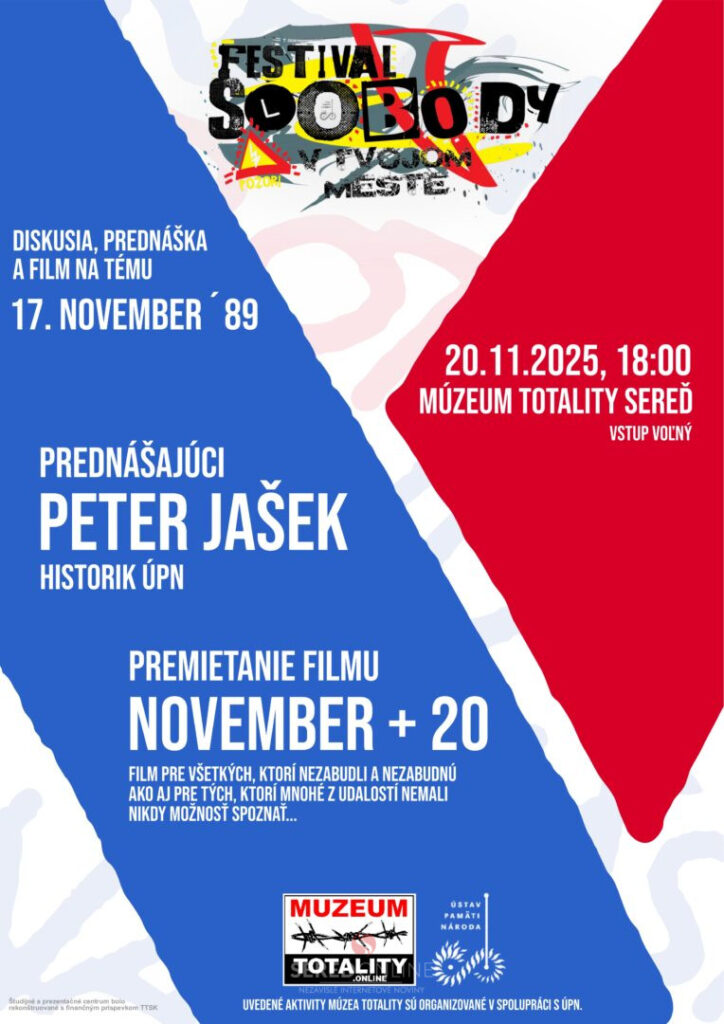
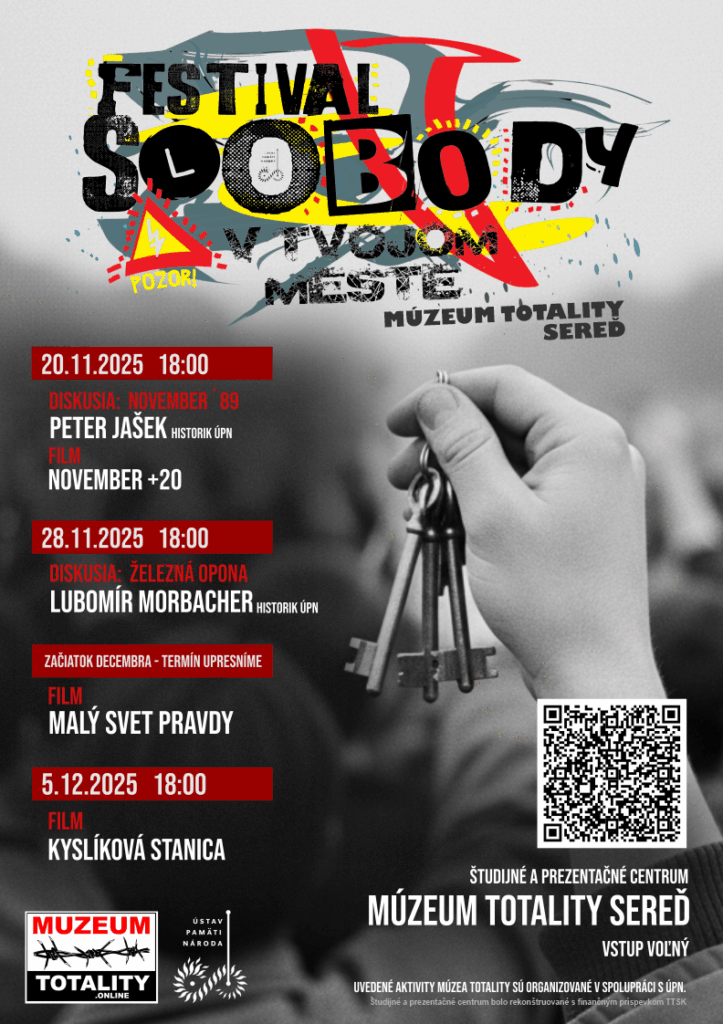
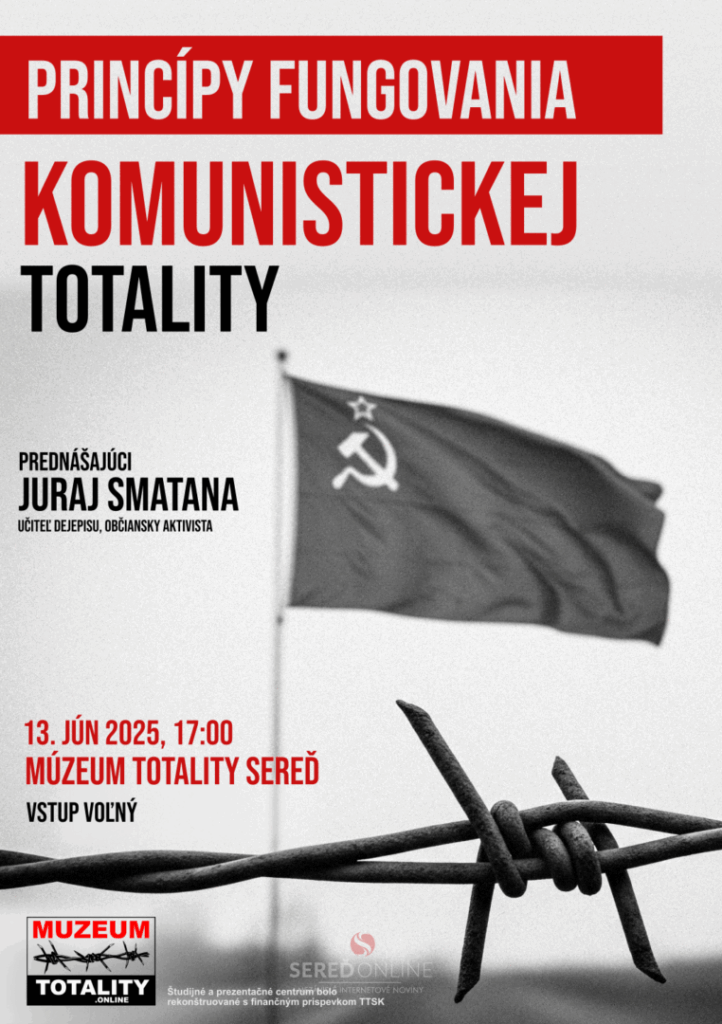
On Friday, March 28, 2025, in the presence of distinguished guests and experts, the Museum of Totalitarianism officially opened its new spaces designated for discussions and lectures. This significant event was held to commemorate the anniversary of the Candle Demonstration, which served as a clear and powerful expression of Slovak resistance against the totalitarian regime and a courageous struggle for civil rights in Czechoslovakia.

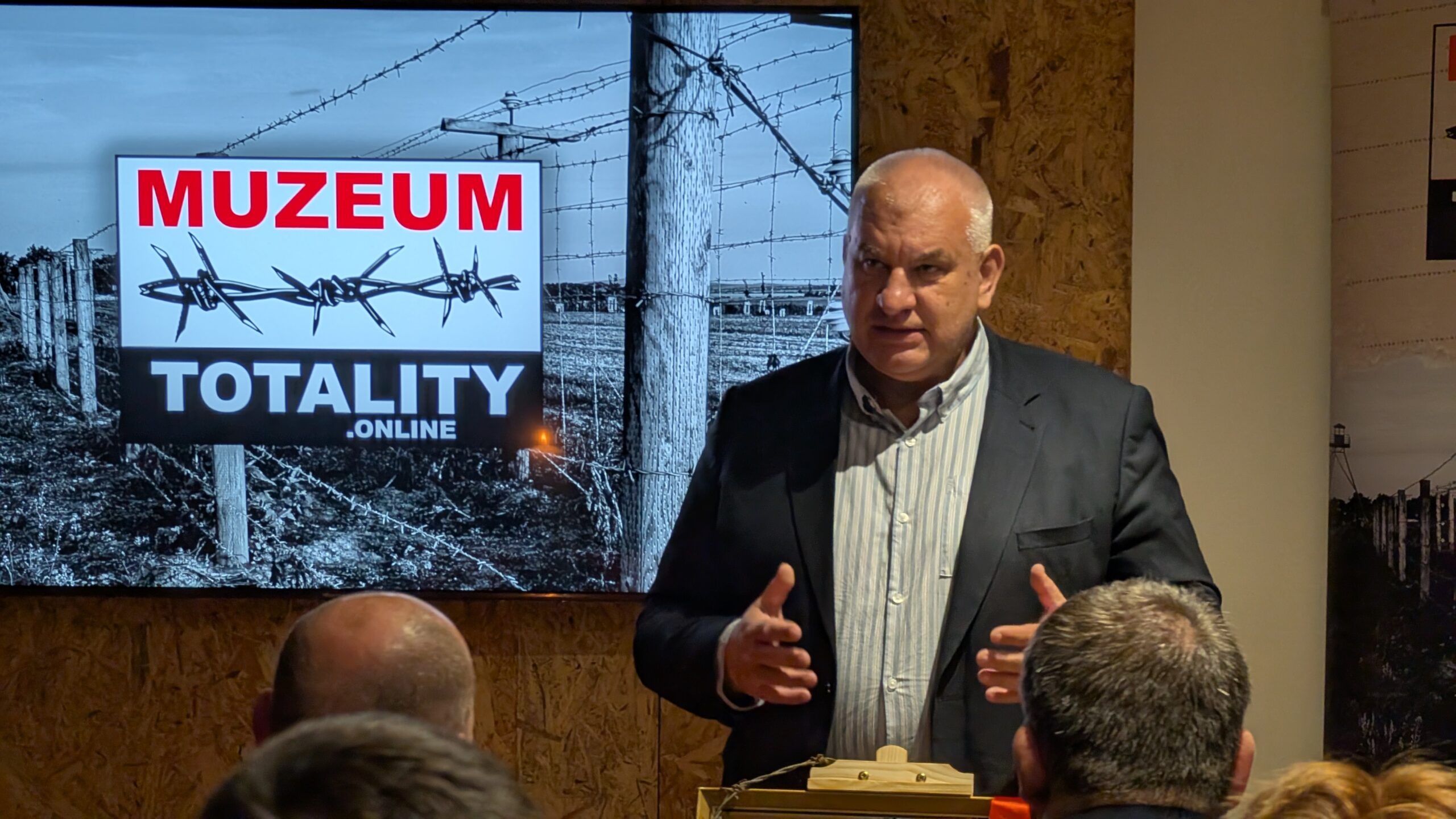
The red ribbon, stretched between two portraits of the communist president Gustáv Husák symbolically wrapped in barbed wire, was cut by Jerguš Sivoš, Chairman of the Board of Directors of the Nation’s Memory Institute, alongside the founder of the Museum of Totalitarianism. This esteemed historian, together with the Vice-Chairman of the Trnava Self-Governing Region (TTSK) Rastislav Mráz and the Mayor of Sereď Ondrej Kurbel, addressed the attendees in brief speeches, praising the opening of the new museum spaces for their role in preserving and presenting crucial historical events to the public.

The historical significance of the Candle Demonstration itself was brought to the audience’s attention by Ján Šimulčík, a renowned historian and author of over a dozen books dedicated to the totalitarian regime in Czechoslovakia.

To learn more about the event, read the full article here:

Take a look

An Interview with Lech Wałęsa

We bring you an exclusive interview with the Nobel Peace Prize laureate and Polish dissident, Lech Wałęsa.

Take a look

Chernobyl Expedition 2009

Take a look

Chernobyl Expedition 2016

30 years since the world’s worst nuclear disaster

Take a look

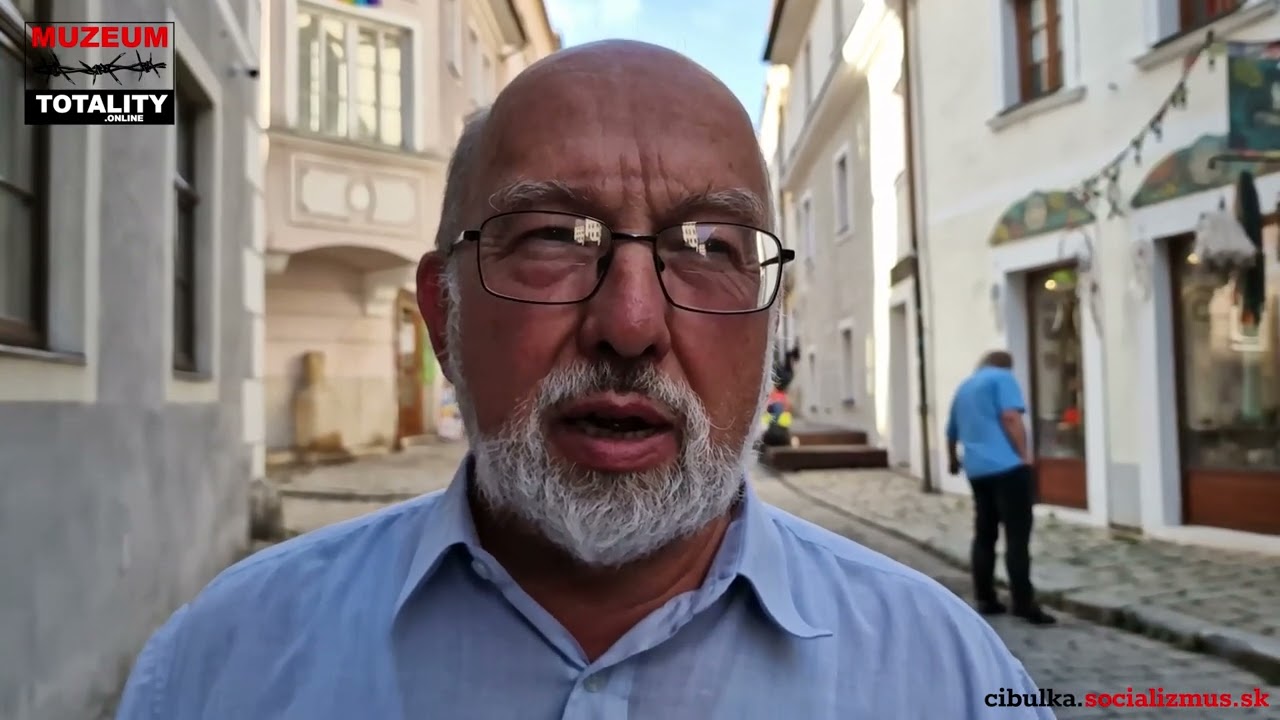
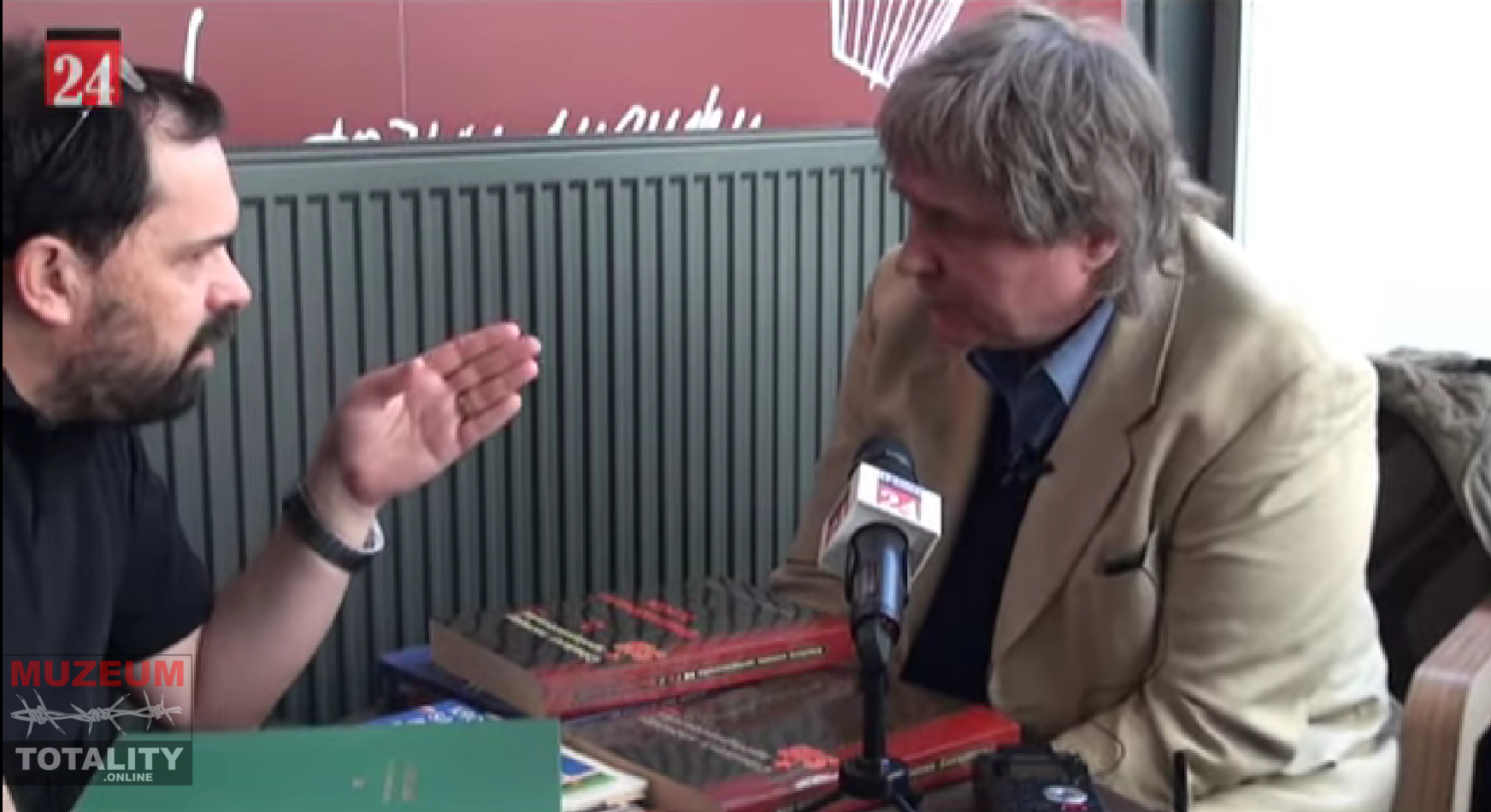
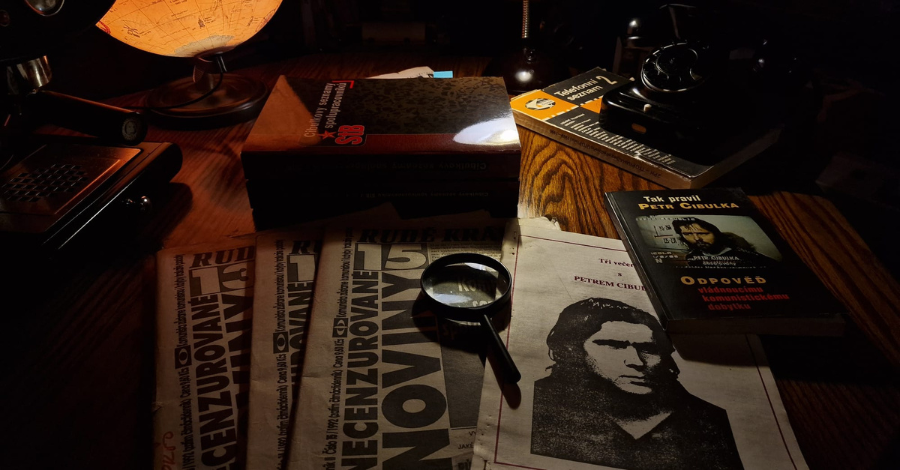
An Interview with Dissident Petr Cibulka

We bring you an exclusive interview with the publisher of the uncensored newspaper Rudá krávo and the leaked registers of State Security (ŠtB) collaborators

Take a look

An Interview with Dissident Václav Malý, Auxiliary Bishop of Prague

During one of our personal visits to Prague, we also stopped by the Bishop’s Office in Hradčany to meet with a dissident, the moderator of the million-strong protest at Letná Park in Prague, and a well-known face of November ’89 among Czech dissidents.

Take a look

An exclusive interview with Michael Kocáb on how he "expelled" Soviet occupiers from Czechoslovakia

Take a look

Voice of America – Broadcast for Czechoslovakia on the anniversary of the Warsaw Pact invasion

Take a look

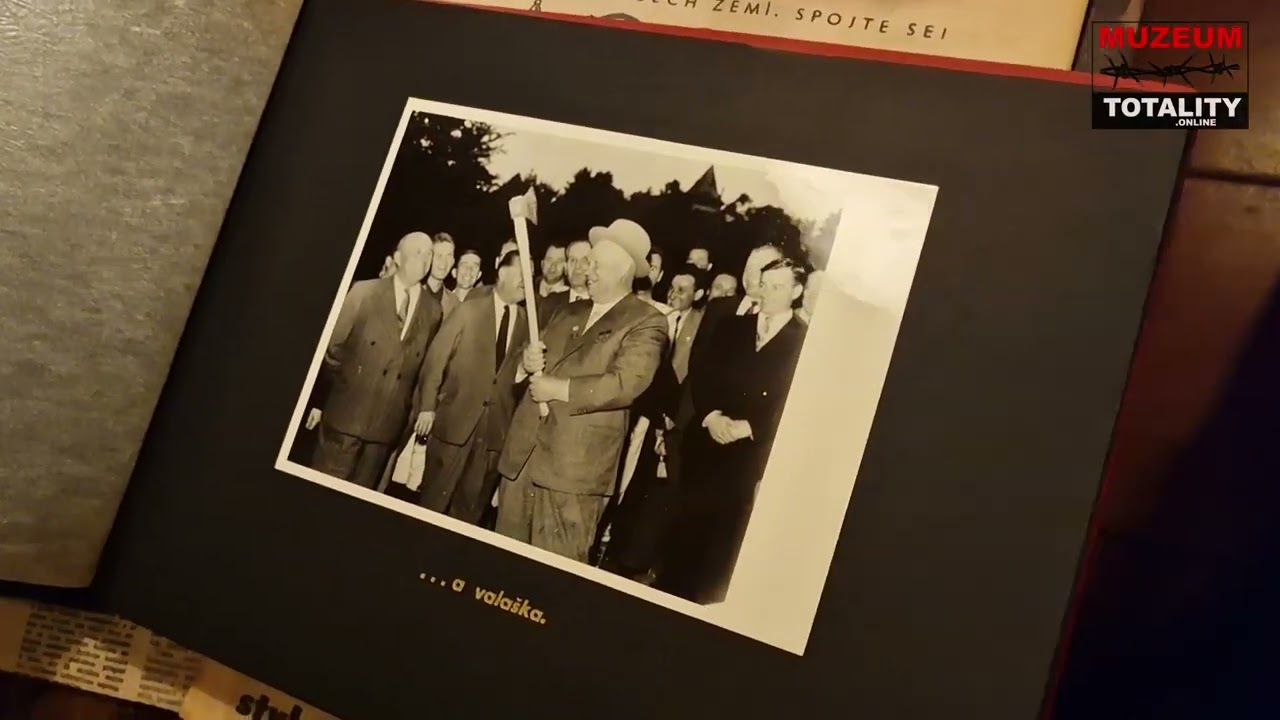
A unique photo album from N. S. Khrushchev's visit to Czechoslovakia

Take a look

Miloš Kopecký's speech at the 4th Congress of the Union of Czechoslovak Dramatic Artists

Take a look

Petr Mihal, one of our artifact donors, visiting the Museum of Totalitarianism

The Museum of Totalitarianism in the Media

TV Markíza – "Reflex" Current Affairs Show

Radio Regina – Slovak Public Radio

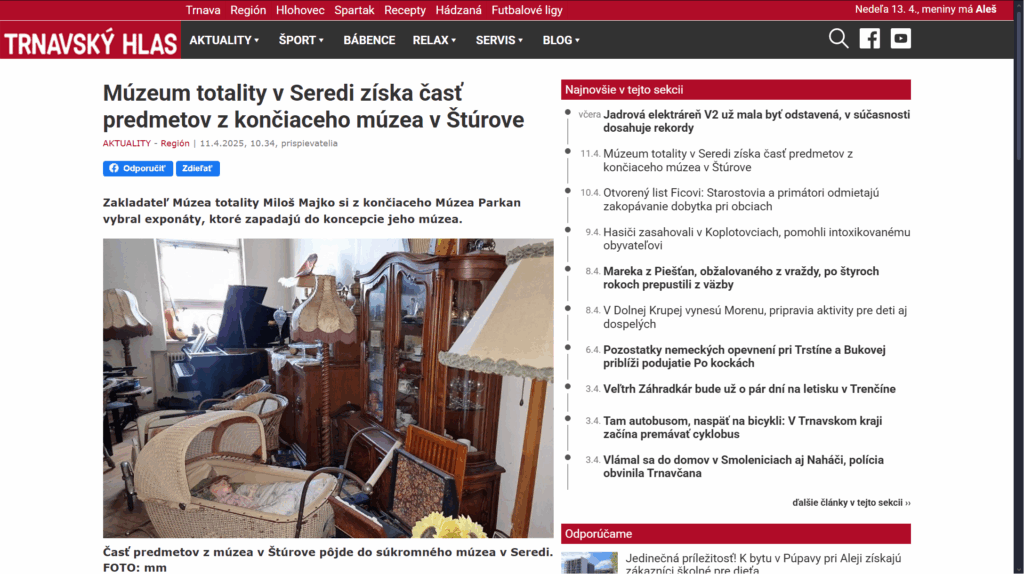
Trnavský hlas – Regional Newspaper

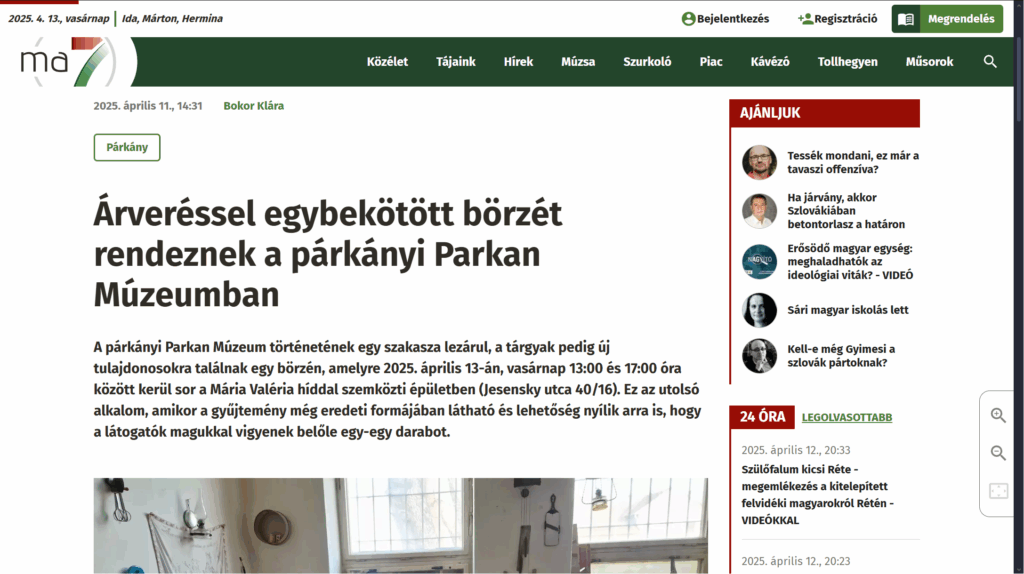
Ma7.sk

Radio Slovensko – Slovak National Public Radio,

17. november 2023

Plus 7 dní – News Magazine

Nitra.dnes24.sk – Regional News Portal

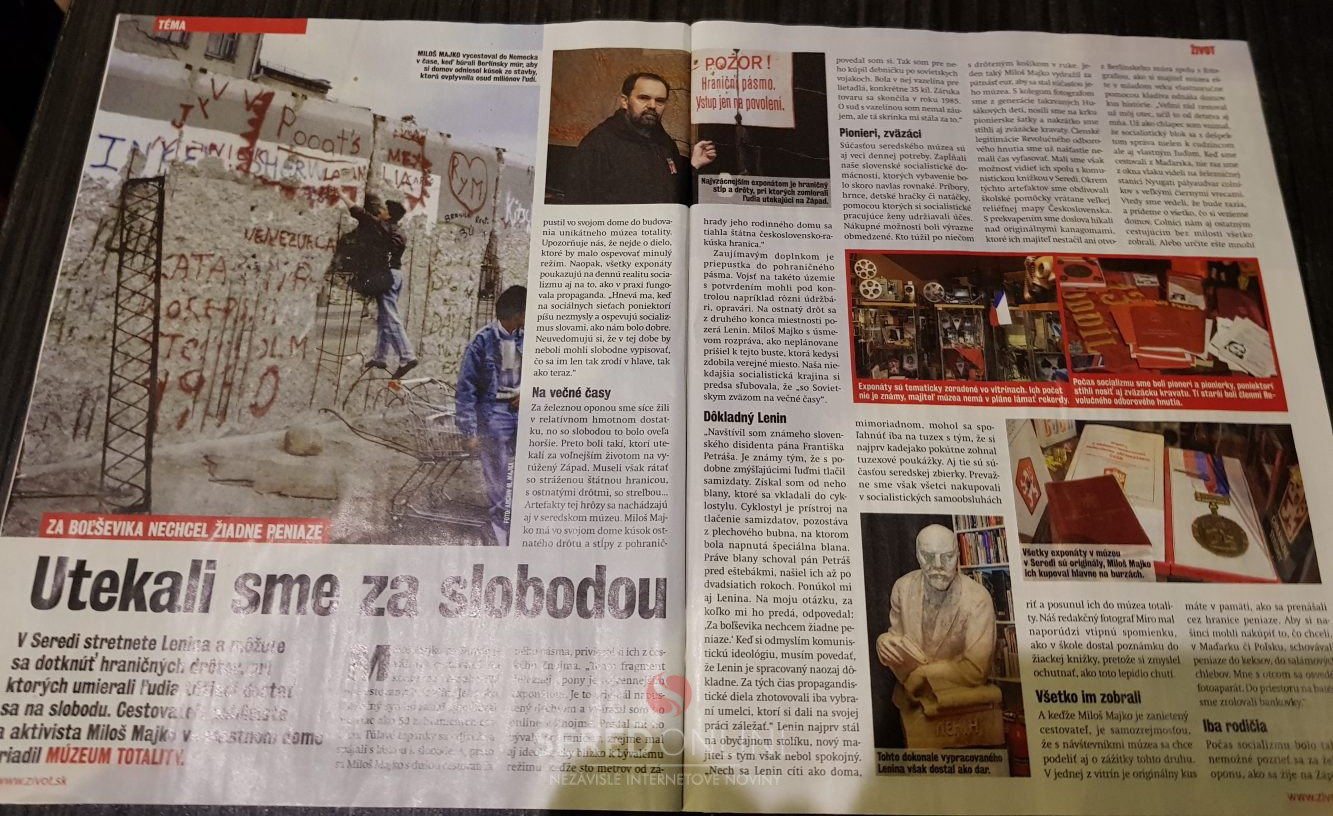
Život Magazine

TASR – Slovak News Agency

SITA – Slovak News Agency

Zoznam.sk

The Museum of Totalitarianism in Documentaries and Films

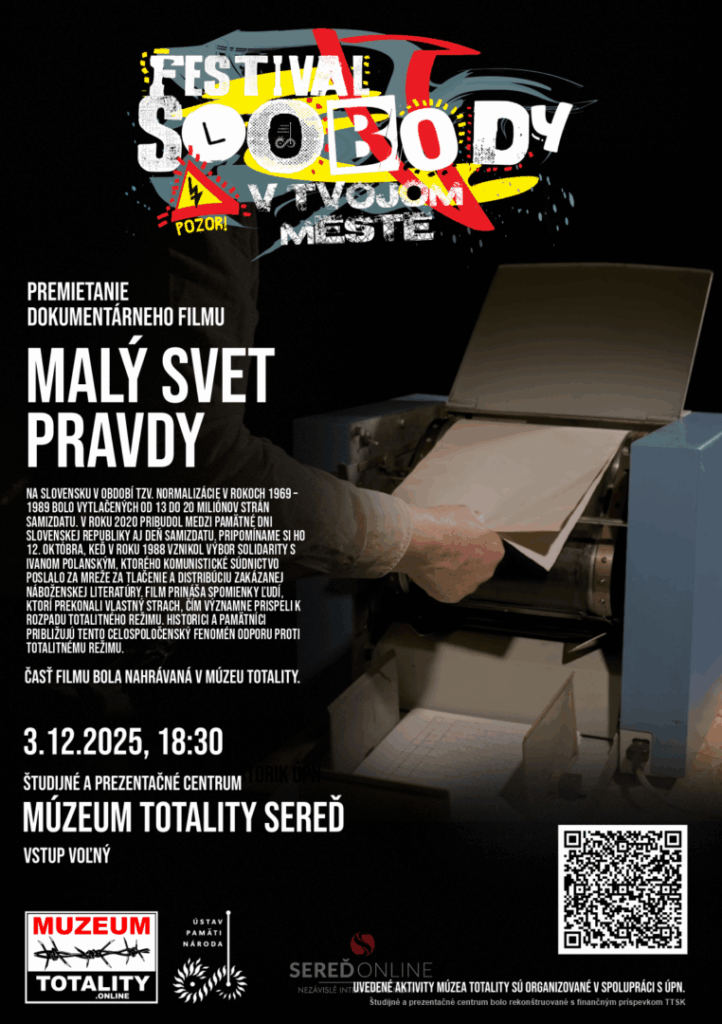
Malý svet pravdy (2023)

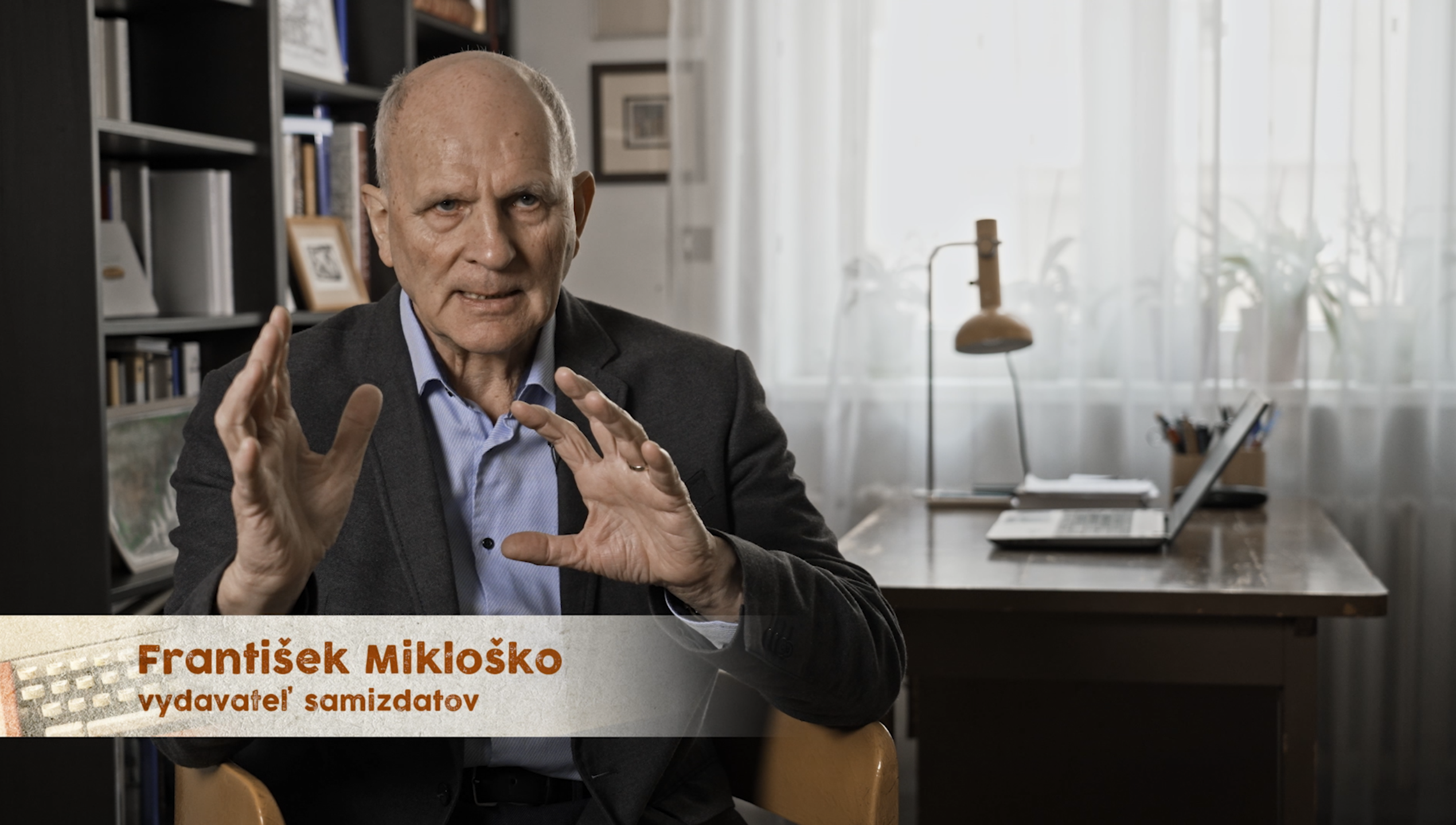
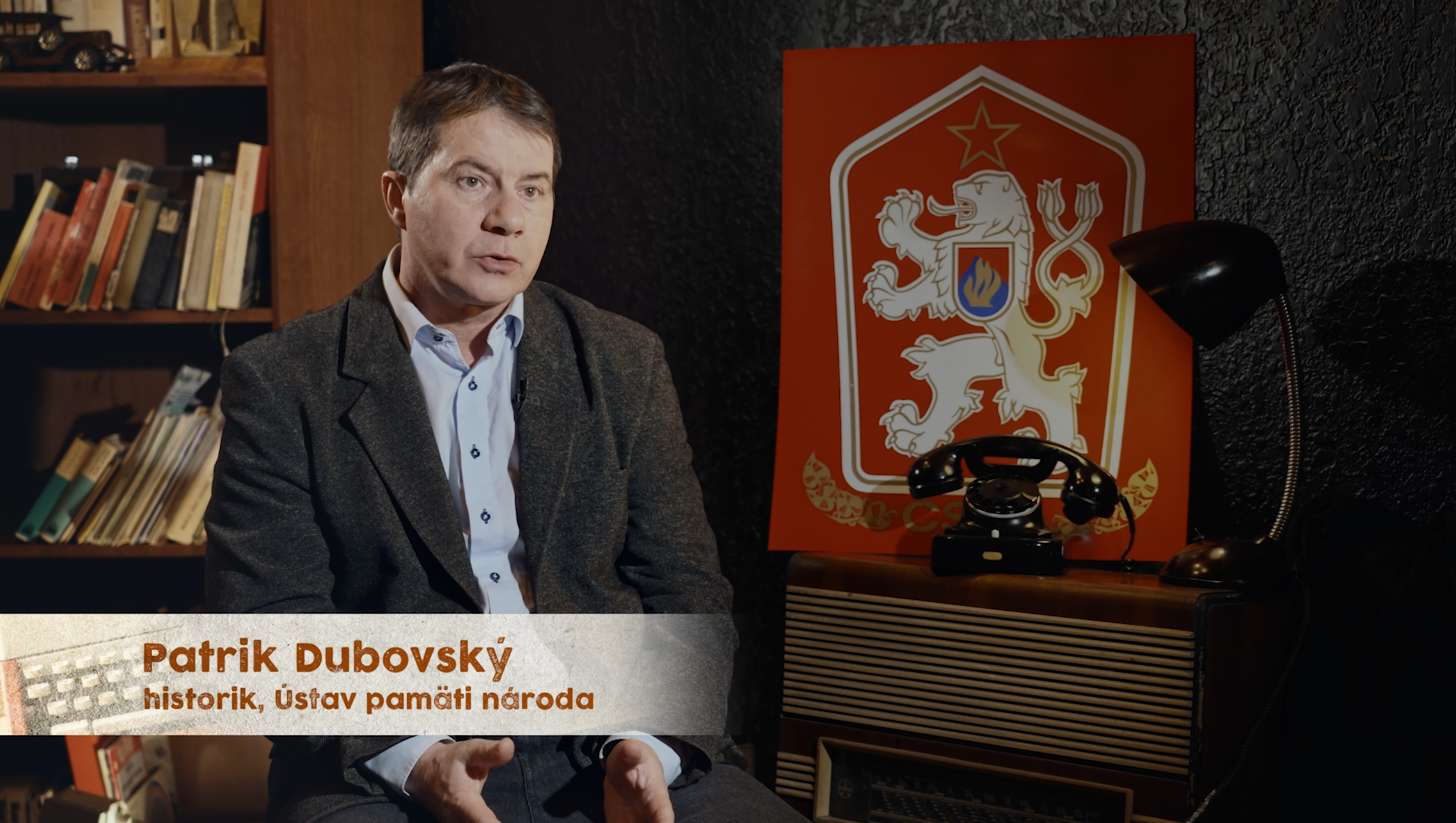
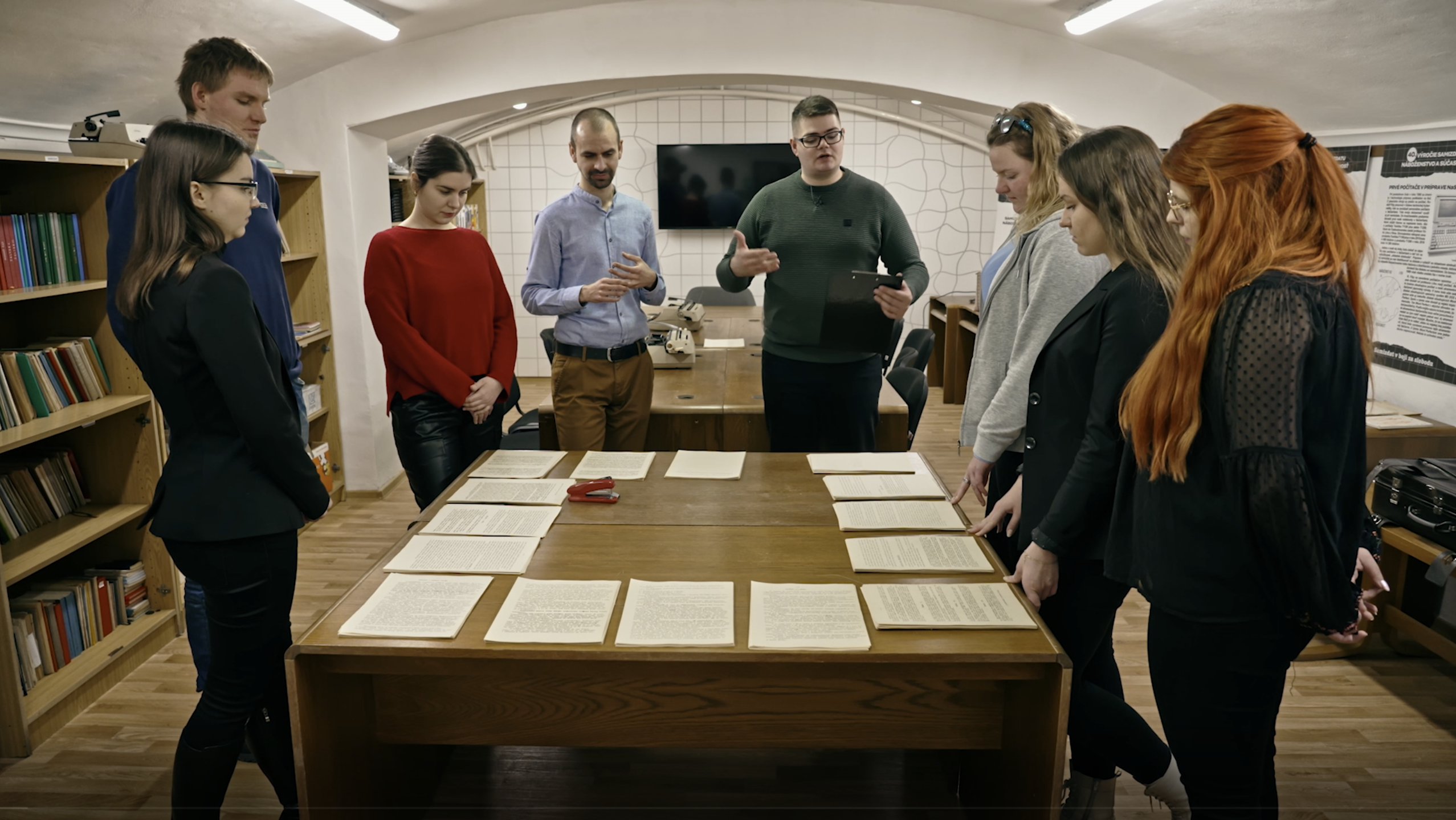
Documentary film about the creation, publishing, and distribution of samizdat

During the so-called normalization period in Slovakia between 1969 and 1989, an estimated 13 to 20 million pages of samizdat were printed. In 2020, Samizdat Day was officially added to the commemorative days of the Slovak Republic. It is observed on October 12th, marking the day in 1988 when the Solidarity Committee with Ivan Polanský was formed. Polanský had been imprisoned by the communist judiciary for printing and distributing banned religious literature. The film brings to light the memories of individuals who overcame their own fear, thereby significantly contributing to the collapse of the totalitarian regime. Historians and contemporary witnesses provide a closer look at this society-wide phenomenon of resistance against the totalitarian regime. (Translated from the Slovak original – STVR)

Articles:

Velvet Terrorists (2013)

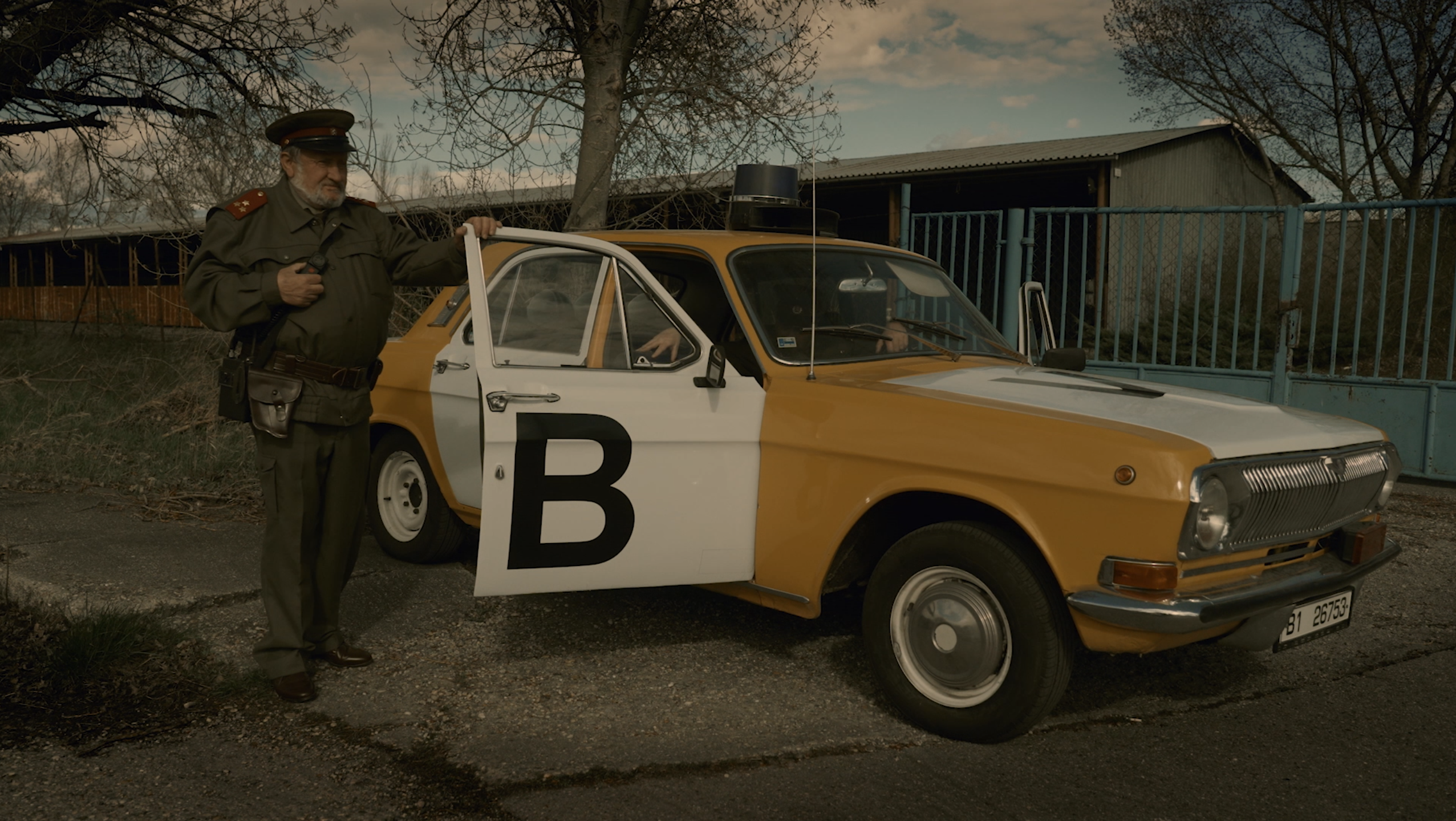
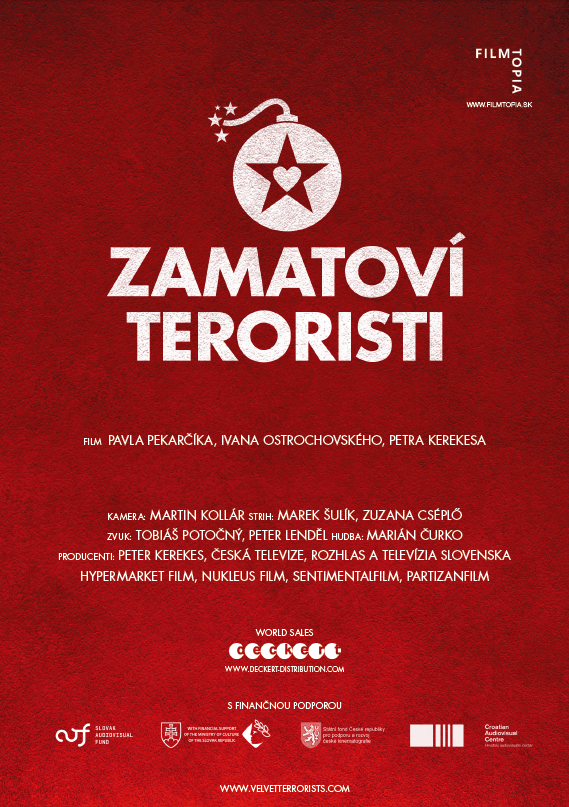
The documentary film Velvet Terrorists tells the stories of three romantic heroes who physically live in the present, but in their memories, they are still fighting the communist regime. Stano, František, and Vladimír are united by a gesture of defiance against the reality of the 1980s, channelled into the form of terrorism. All three were convicted under Section 93 – Terrorism, even though they killed no one and harmed no one. One wanted to blow up an empty podium on May Day night; instead, he got drunk and fell asleep at the scene with bags full of explosives. The second wanted to assassinate President Husák, but Western intelligence abandoned him. The third used to blow up communist party display cases. Through their own clumsiness, they condemned their actions to eternal failure. On the other hand, by never actually becoming killers, they allowed us to listen to their stories. And those stories are, first and foremost, about love. (Official distributor’s text – Translated from the Slovak original)

Articles:

Sestra Bernadeta (2024)

The story of a woman who brought light to the forgotten

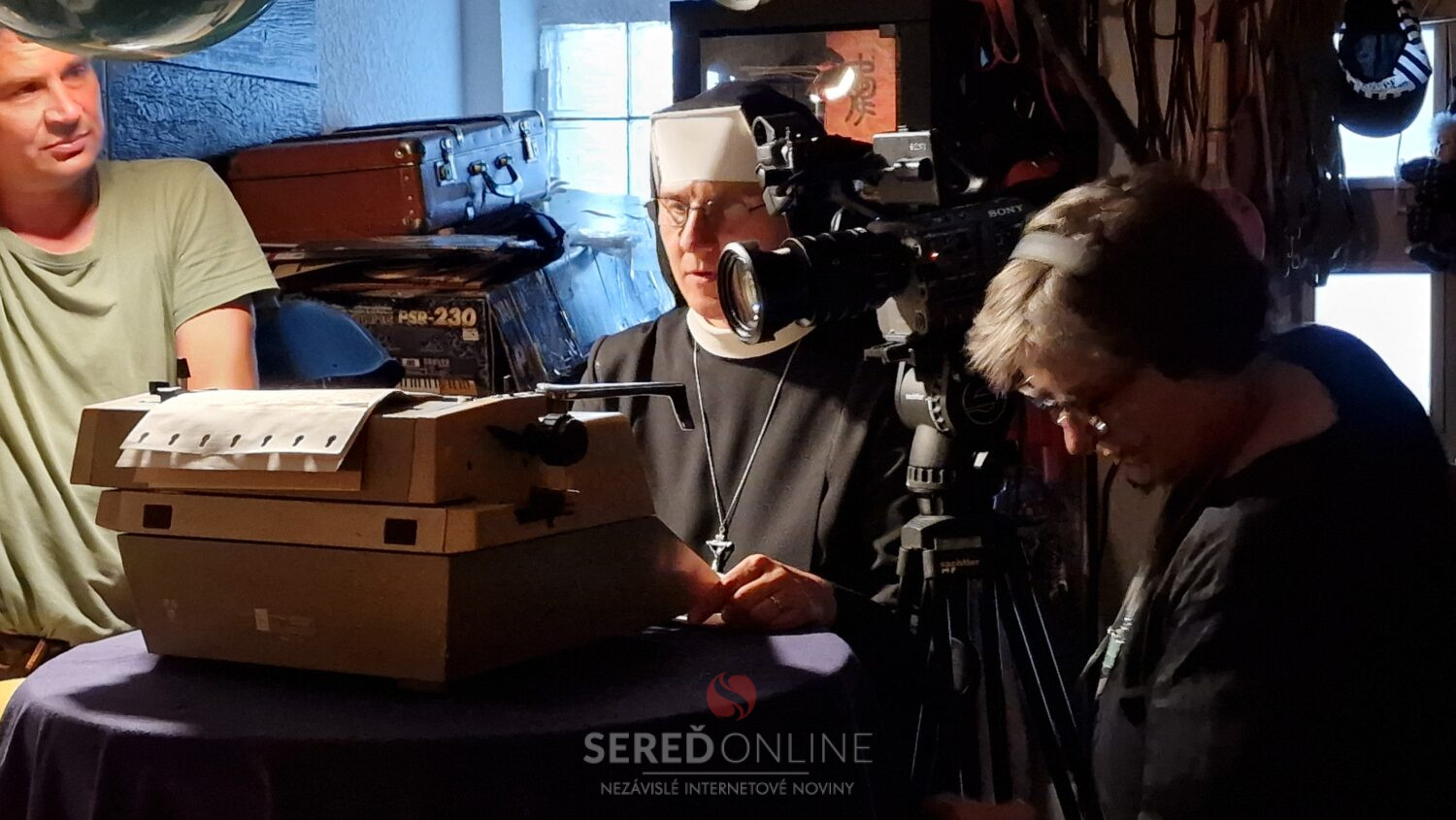
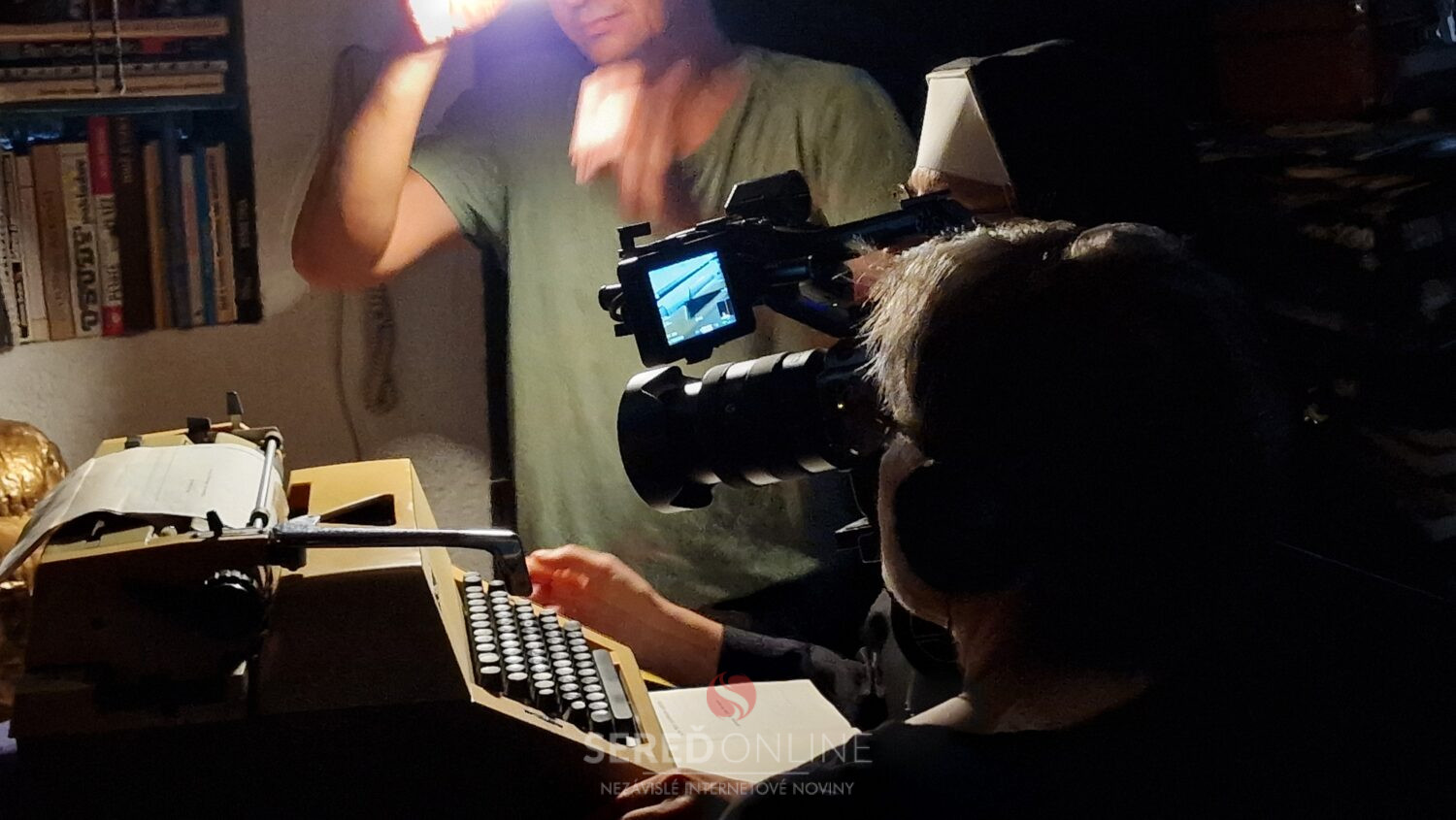
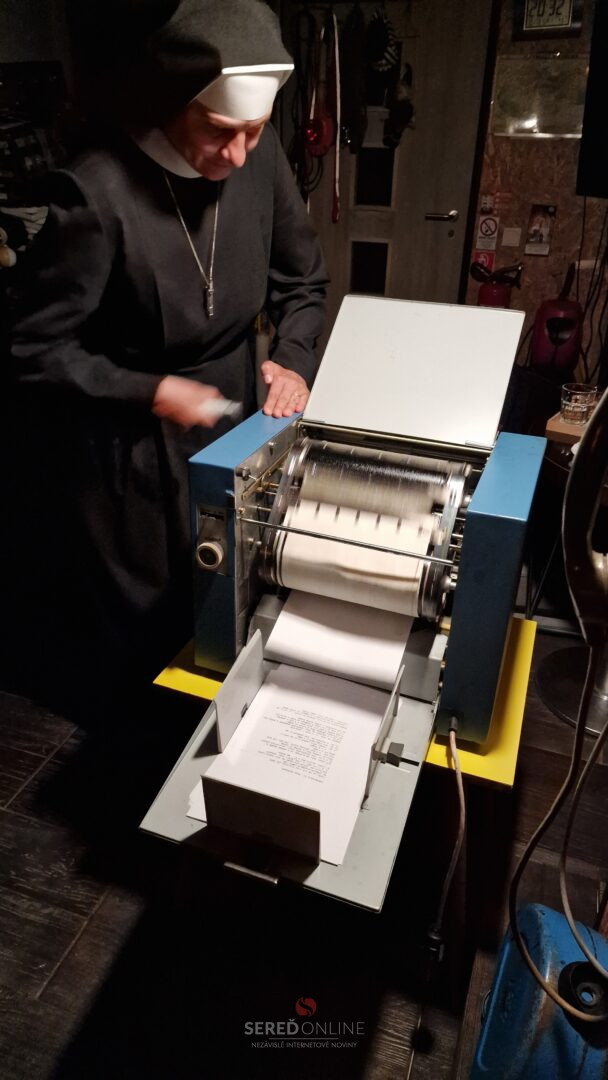
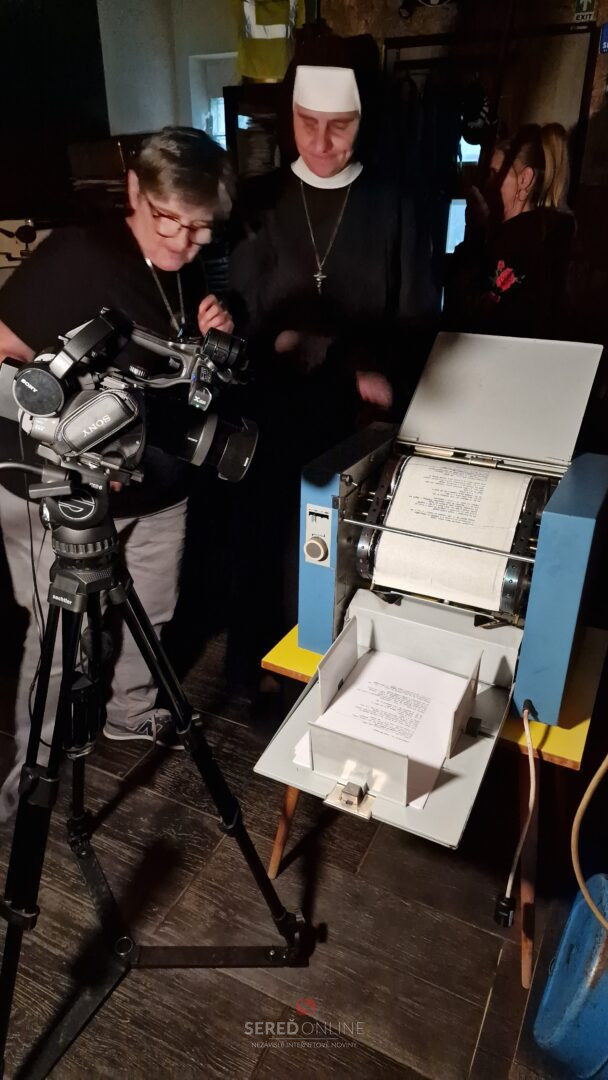
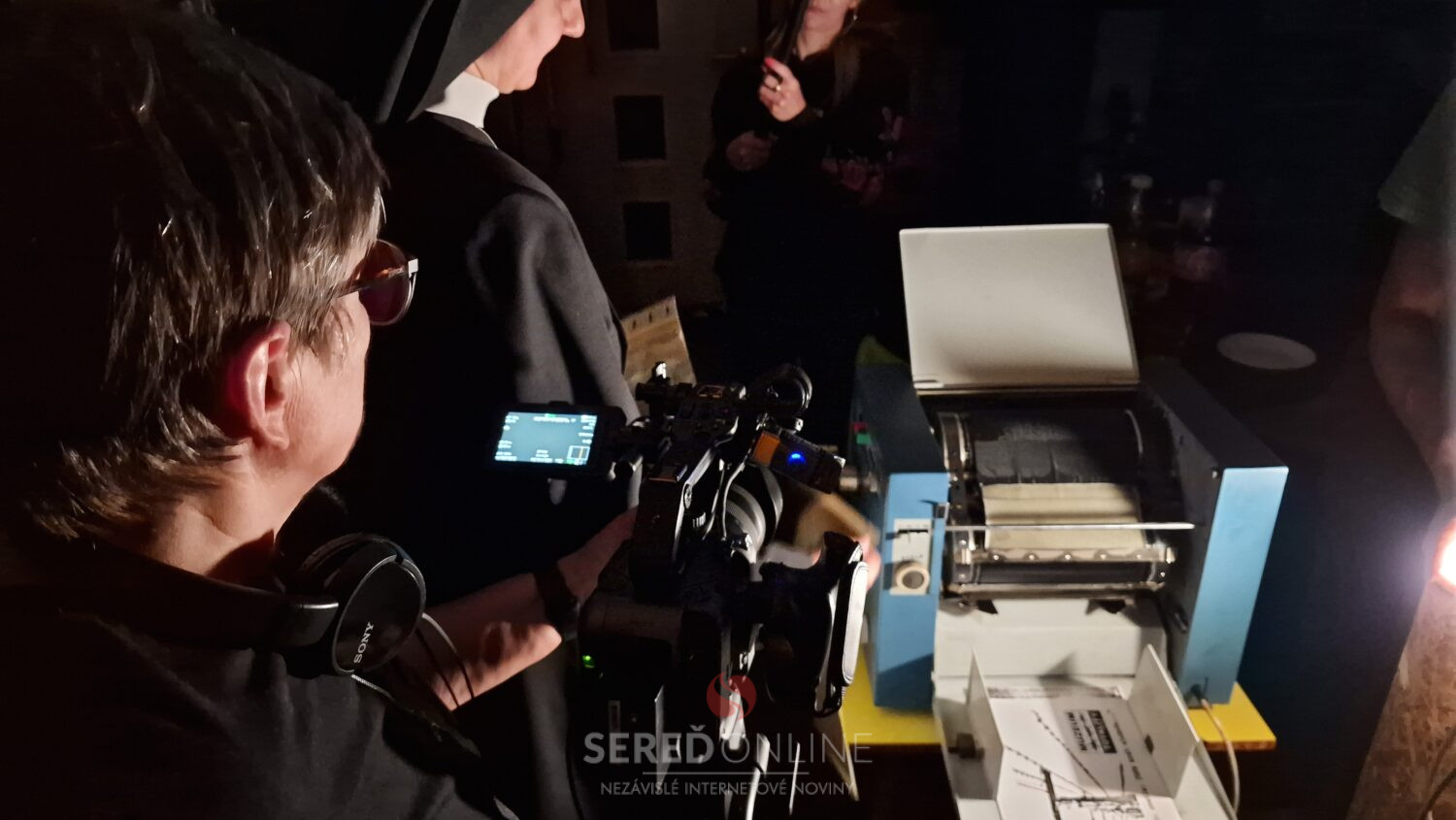
Partly filmed in our museum, this documentary maps the life and underground activities carried out during the totalitarian era in Czechoslovakia by a religious sister.

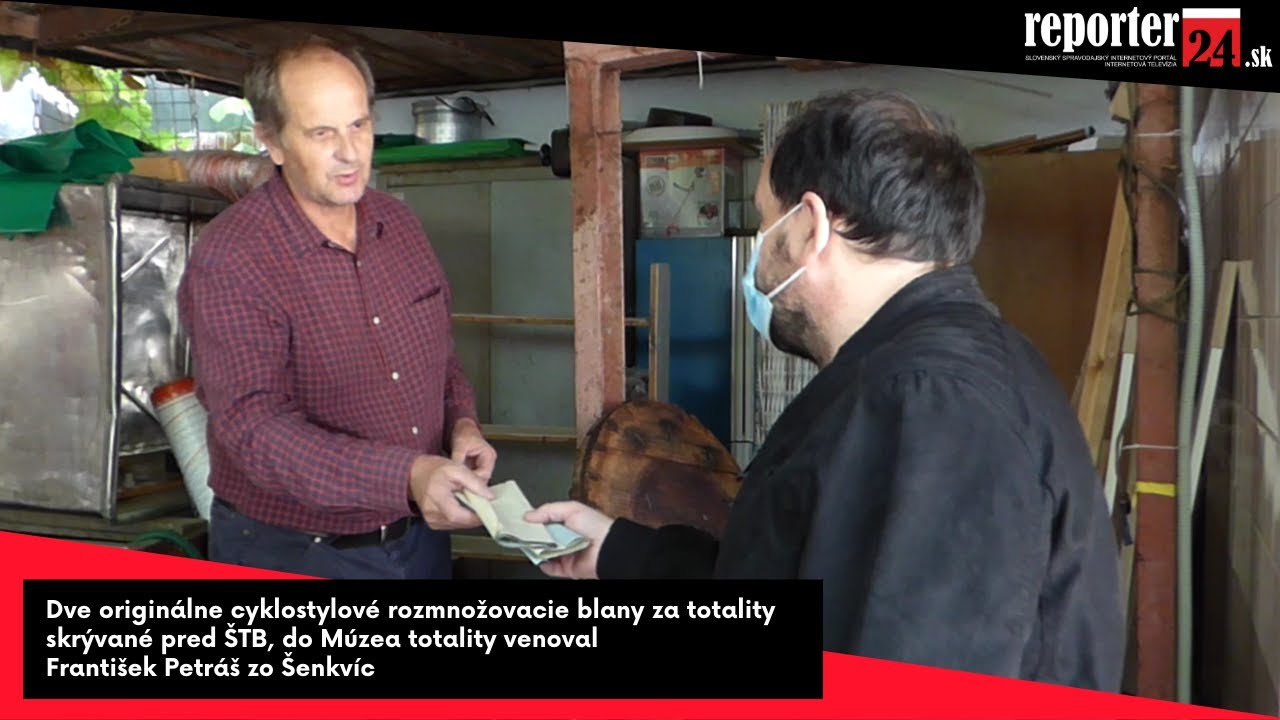
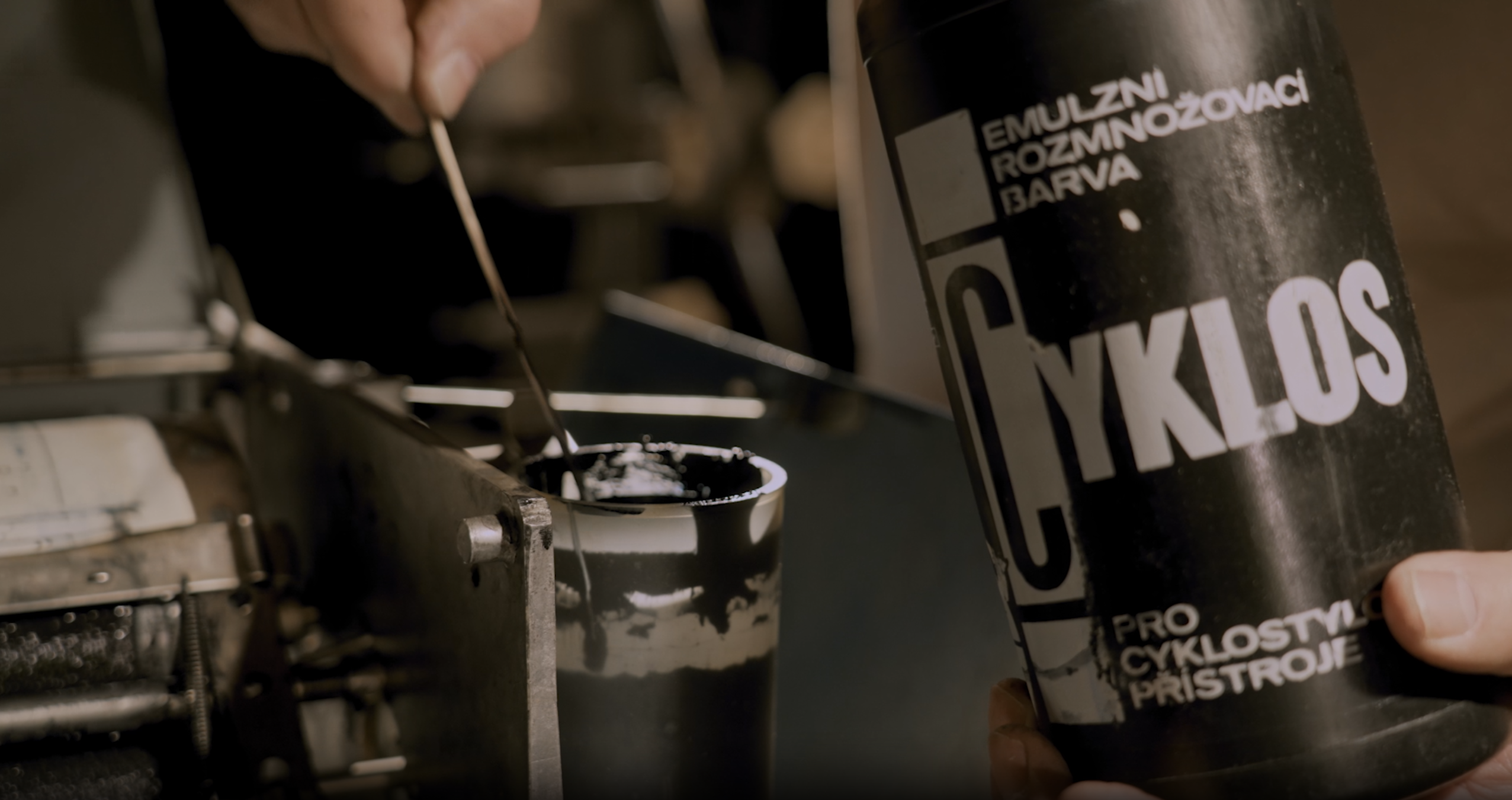
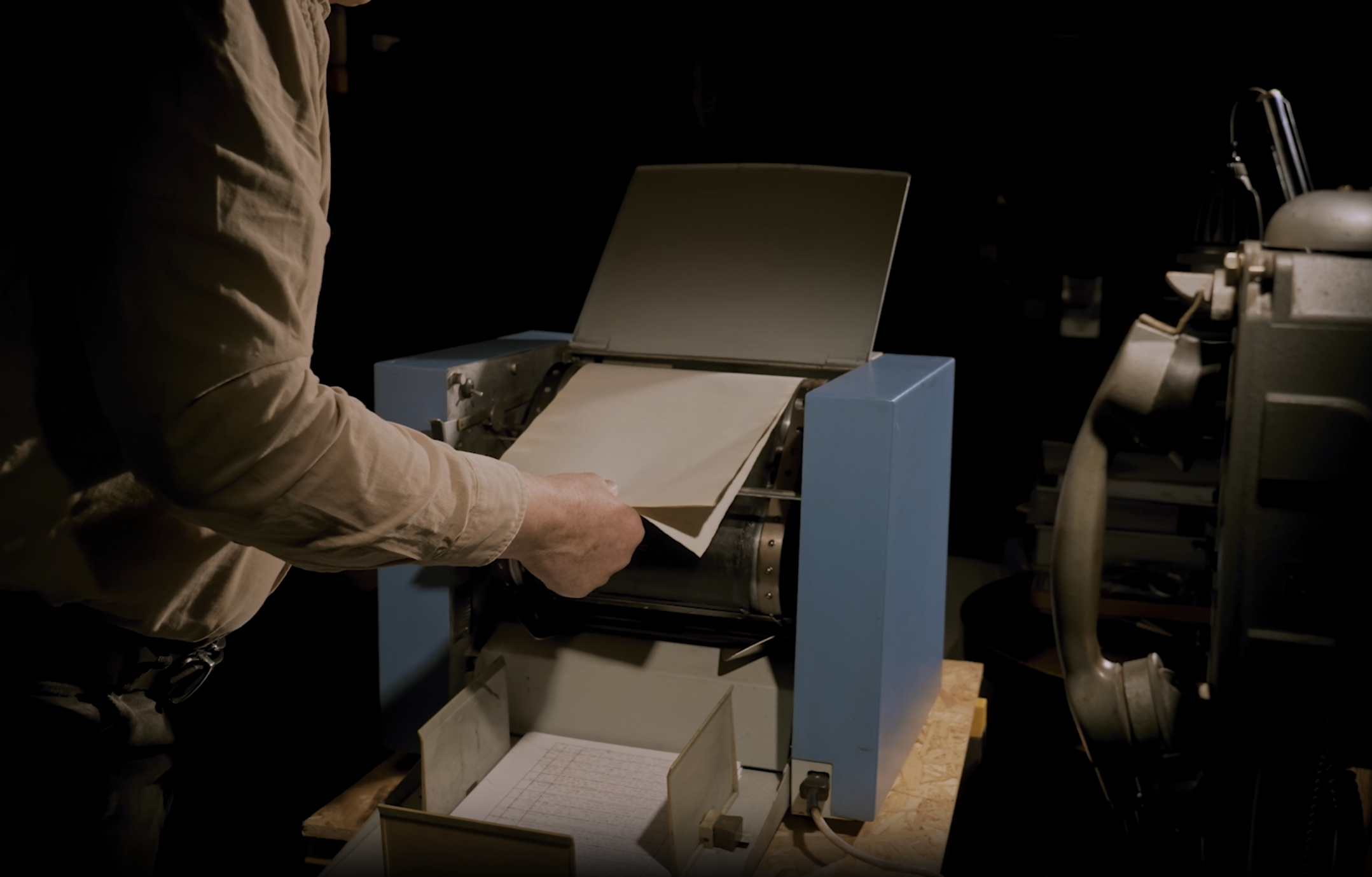
The Museum of Totalitarianism provided a CYKLOS duplicating machine, original MONOPOL mimeograph stencils, printing ink, and other components necessary for printing using a technology that was primarily utilized in our country during the socialist era.

Articles:

American documentary in production

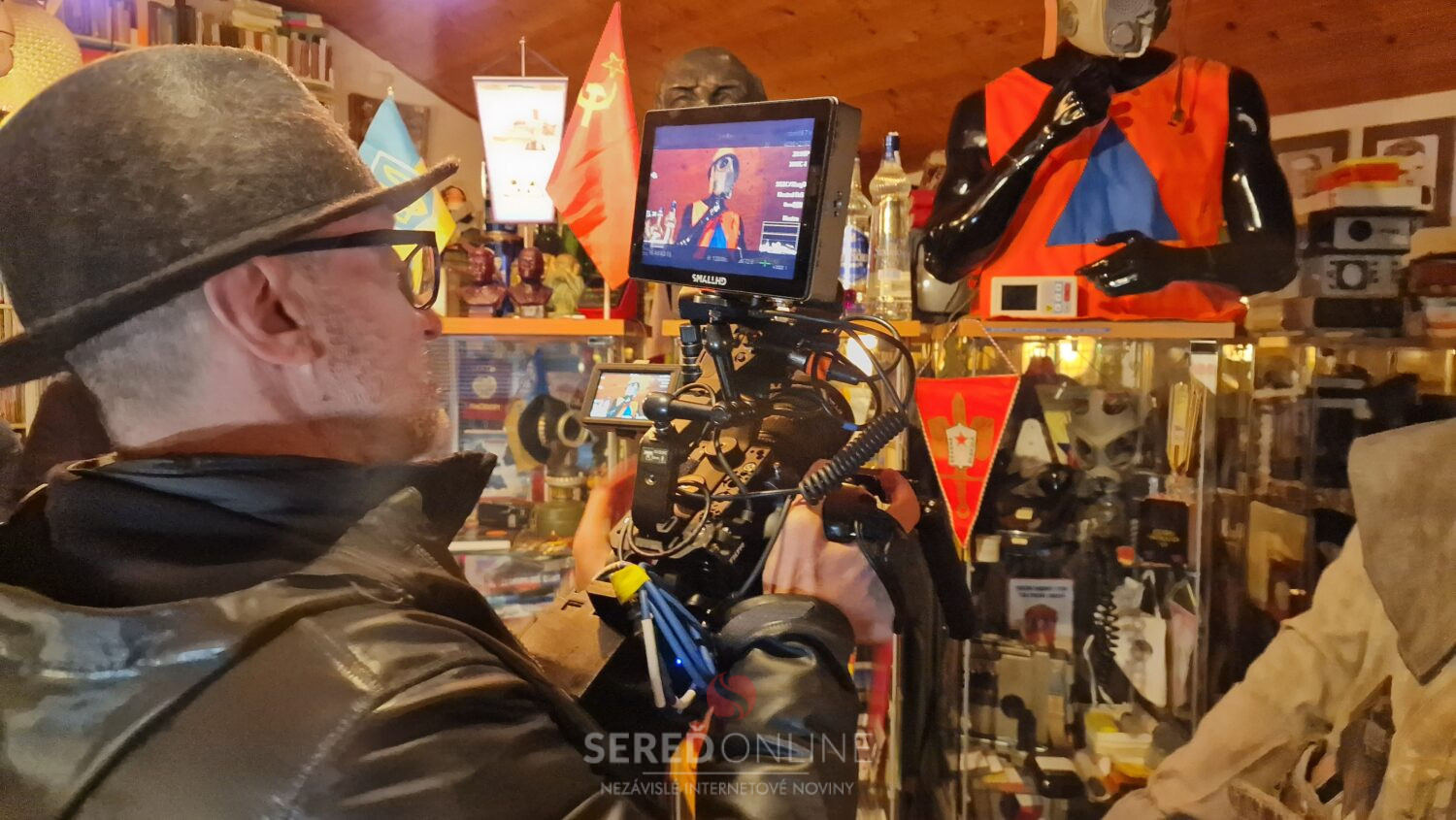
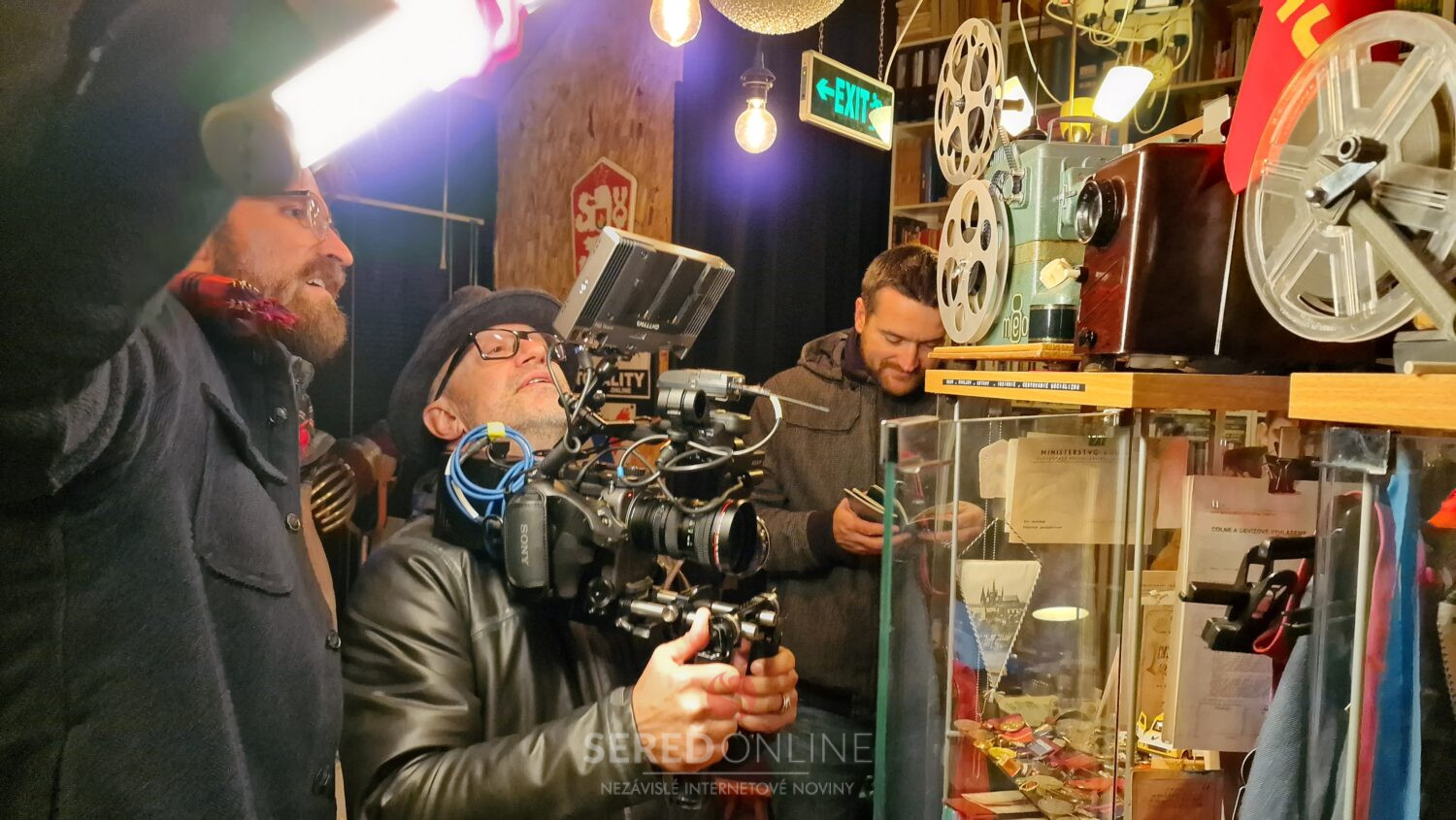
An American film crew filming an upcoming documentary on the premises of the Museum of Totalitarianism

A 10-member film crew documented not only period artifacts of the former Czechoslovakia’s totalitarian regime within the museum, but also conducted an interview with historian Ing. PhDr. Ján Šimulčík, PhD.

The topic was the underground church and the courage of people to stand up against the totalitarian regime.

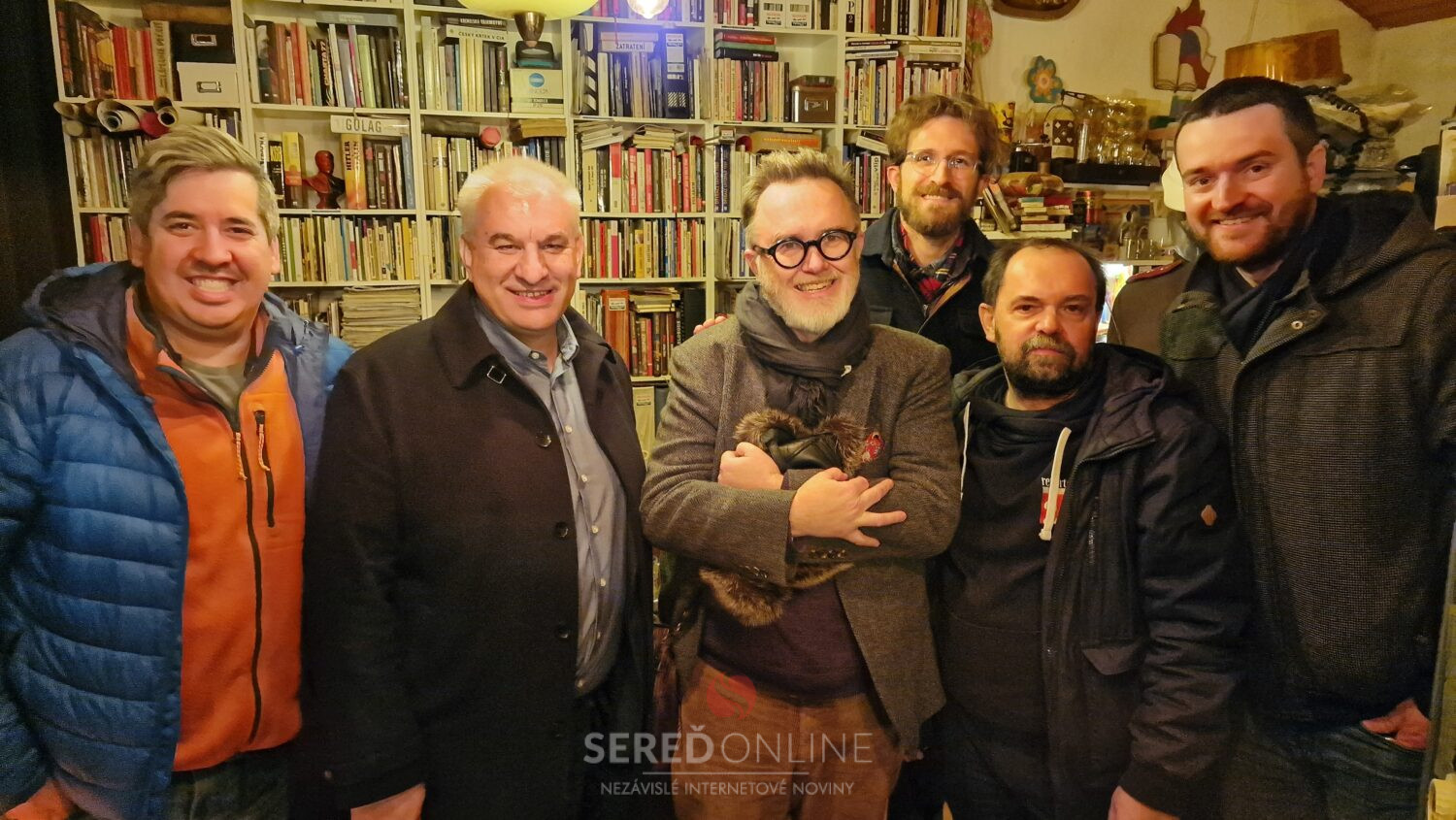
The filmmaking team was led by Rod Dreher, a well-known American journalist, writer, and author of several books.

Articles:

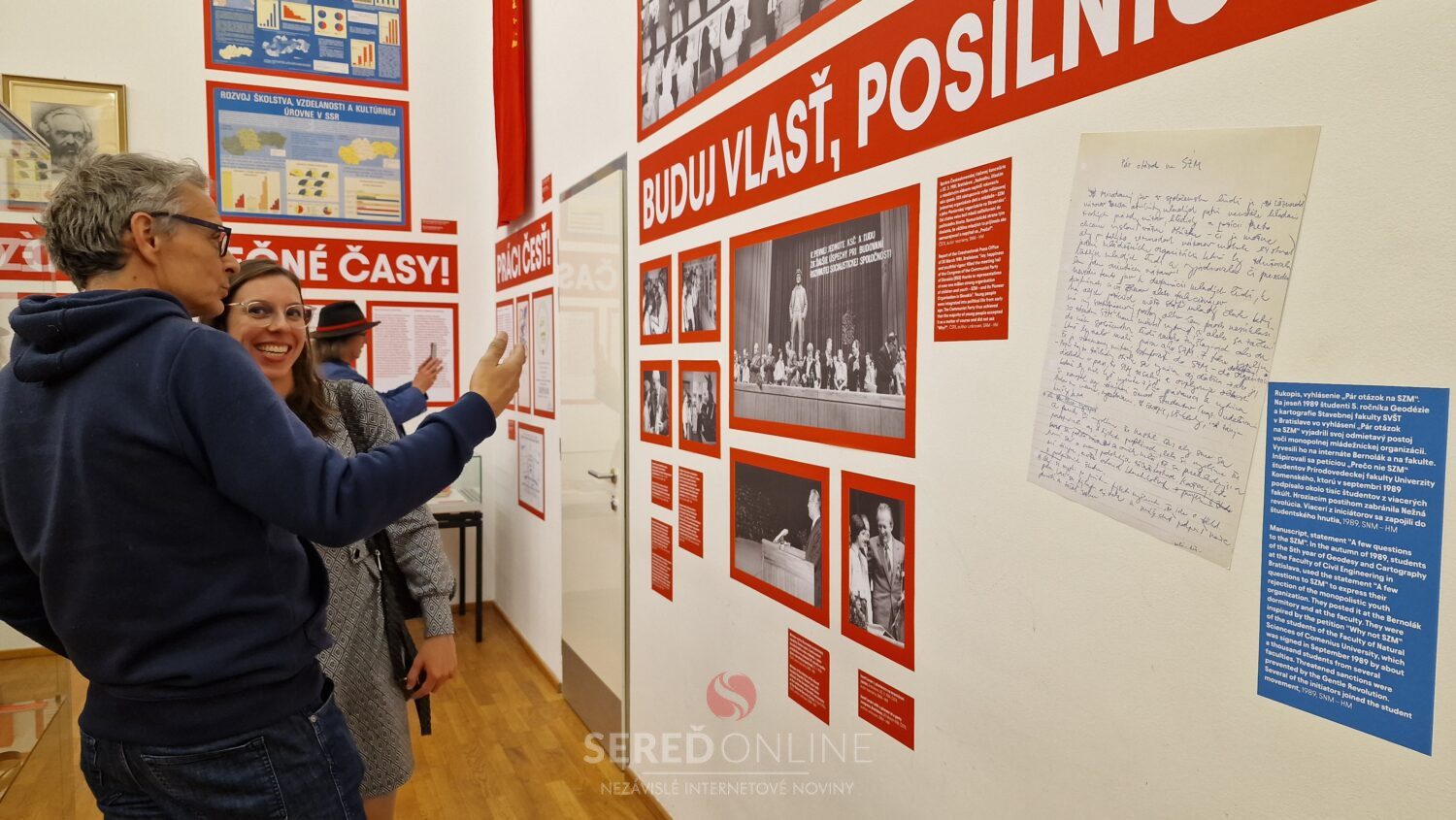
Our exhibits loaned to the Slovak National Museum for the "NE/SPÚTANÍ 89" exhibition

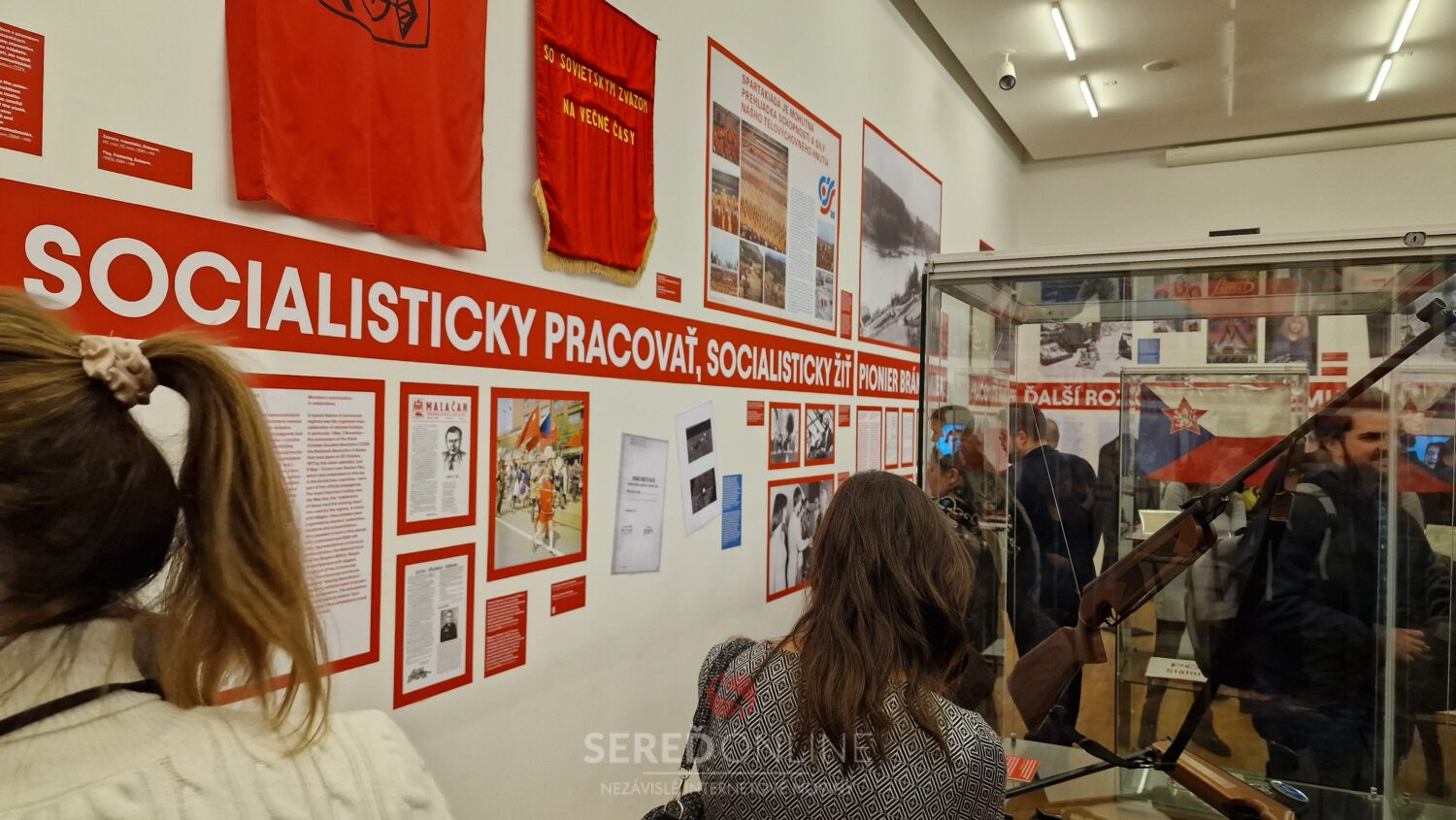
Starting November 14, 2024, the “NE/SPÚTANÍ 89” exhibition, dedicated to the 35th anniversary of the Velvet Revolution, opens at the Slovak National Museum on the Bratislava Castle premises.

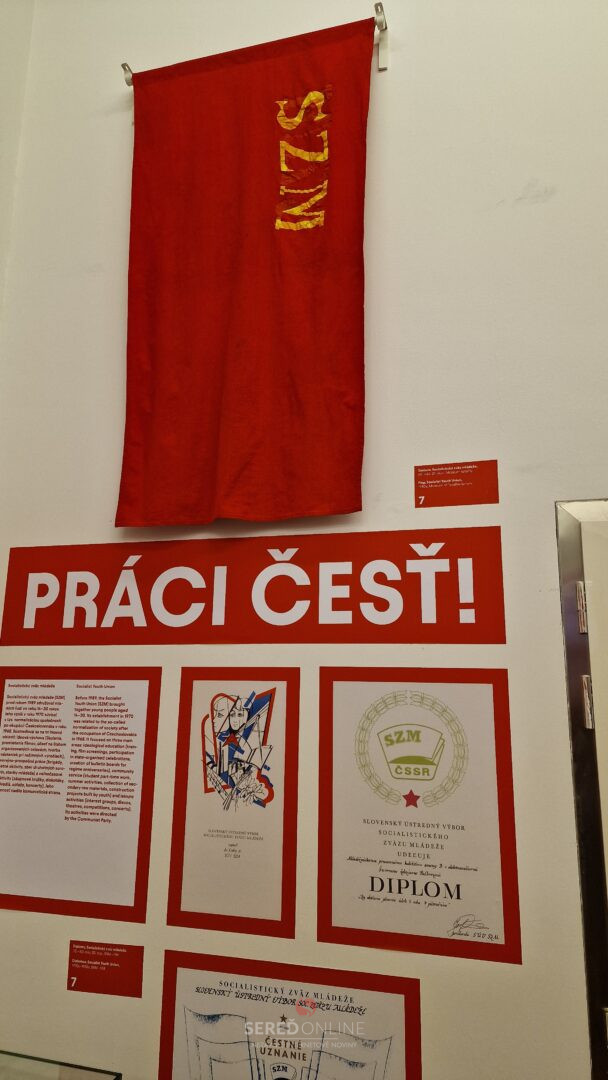
The exhibition also features 10 exhibits loaned to the SNM by Múzeum totality (Museum of Totalitarianism).

Articles:

Online museum

Our other Projects

A website dedicated to the largest mass kidnapping

of Czechoslovak citizens abroad – in Angola

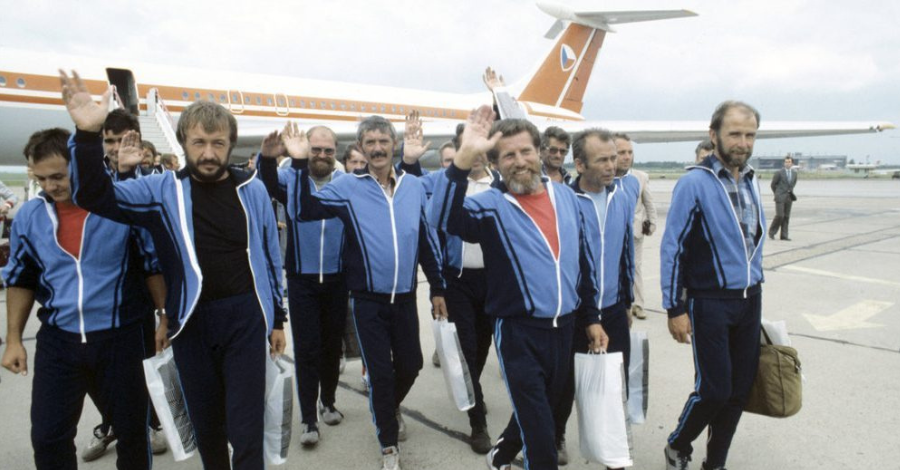
In 1983, the largest kidnapping of Czechoslovaks in history took place. Experts deployed to Alto Catumbela in Angola were abducted by the anti-government rebel organization UNITA and forced to endure a 1,300-kilometer march through the Angolan jungle under brutal conditions. One participant, a Slovak named Jaroslav Navrátil, did not survive the march.

In cooperation with the participants of the march, we are developing and continuously updating a dedicated website for this important event.

A website dedicated to Petr Cibulka,

a Czech journalist and dissident from the totalitarian era

He entered the public consciousness mainly in the early 1990s by publishing the files on officers and collaborators of the State Security (StB), also known as Cibulka’s Lists. Before the Velvet Revolution, he was repeatedly imprisoned as a political prisoner for his anti-communist activities; he is one of the signatories of Charter 77 and a member of VONS (Committee for the Defense of the Unjustly Prosecuted).

Since 2000, he has been the chairman of the political party “Volte Pravý Blok www.cibulka.net” (Vote Right Block). He is well-known for his media appearances, controversial statements, and conspiracy theories, particularly regarding the influence of the Russian Federation and Russian intelligence services on Czech, European, and global politics. (Translated from original language – Wikipedia)

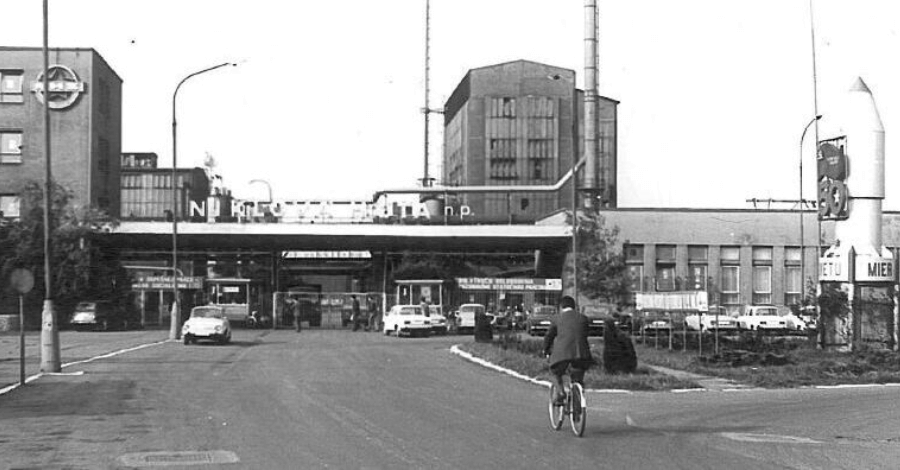
A website dedicated to the history of the Sereď Nickel Smelter

As a result of the nickel import embargo, including from non-socialist countries, a shortage of nickel resources in socialist states and Czechoslovakia, and as part of the industrialization program of Slovakia, the Czechoslovak government decided in 1956 to build a nickel production plant in Sereď. The construction was included in the plan of government-monitored projects.

On this website, with the help of former NHS employees, we gather information about the establishment, operation, and closure of this enterprise, alongside historical photographs. We also document its current state and the environmental impact of the “Lúženec” nickel slag heap left behind by the NHS.

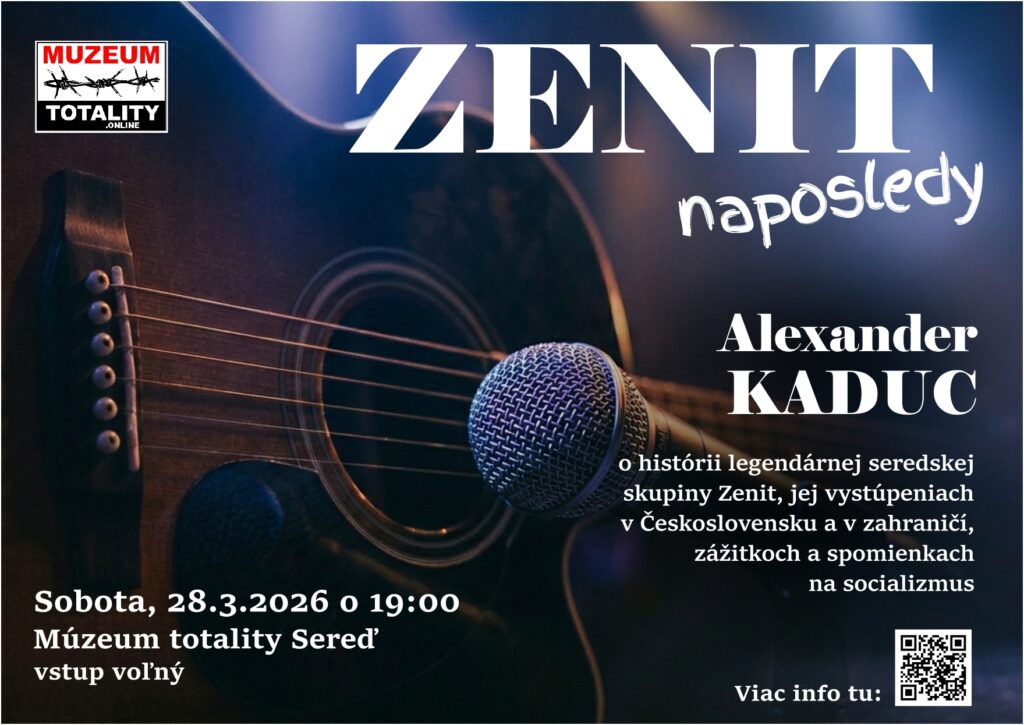
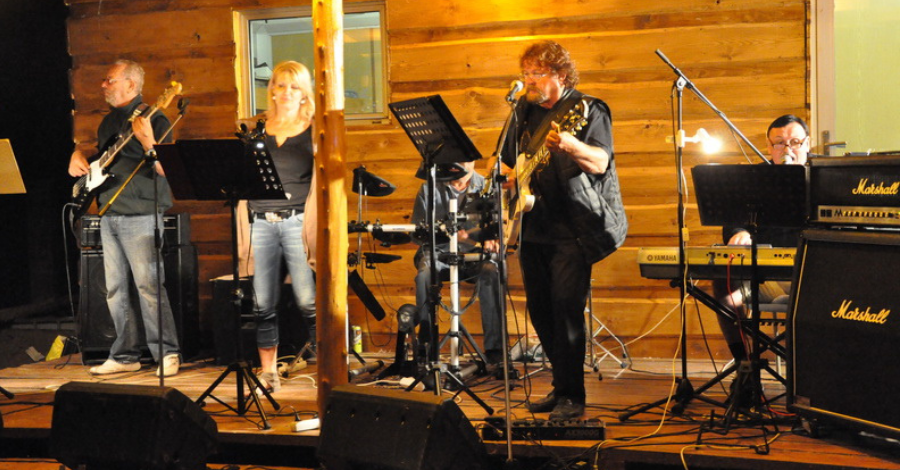
The music band ZENIT

Zenit is a Slovak music band, primarily active during the 1980s.

The band was formed in 1977 in Pata. Some of its members had previously played in short-lived projects under the names Zenit 74, 75, and 76, which is why its full name was originally “Zenit 77”. (Translated from original language – Wikipedia)

august 1968

The Warsaw Pact Invasion of Czechoslovakia

Bratislava/nahlas (Bratislava Aloud)

Propaganda in Communist Czechoslovakia (ČSSR)

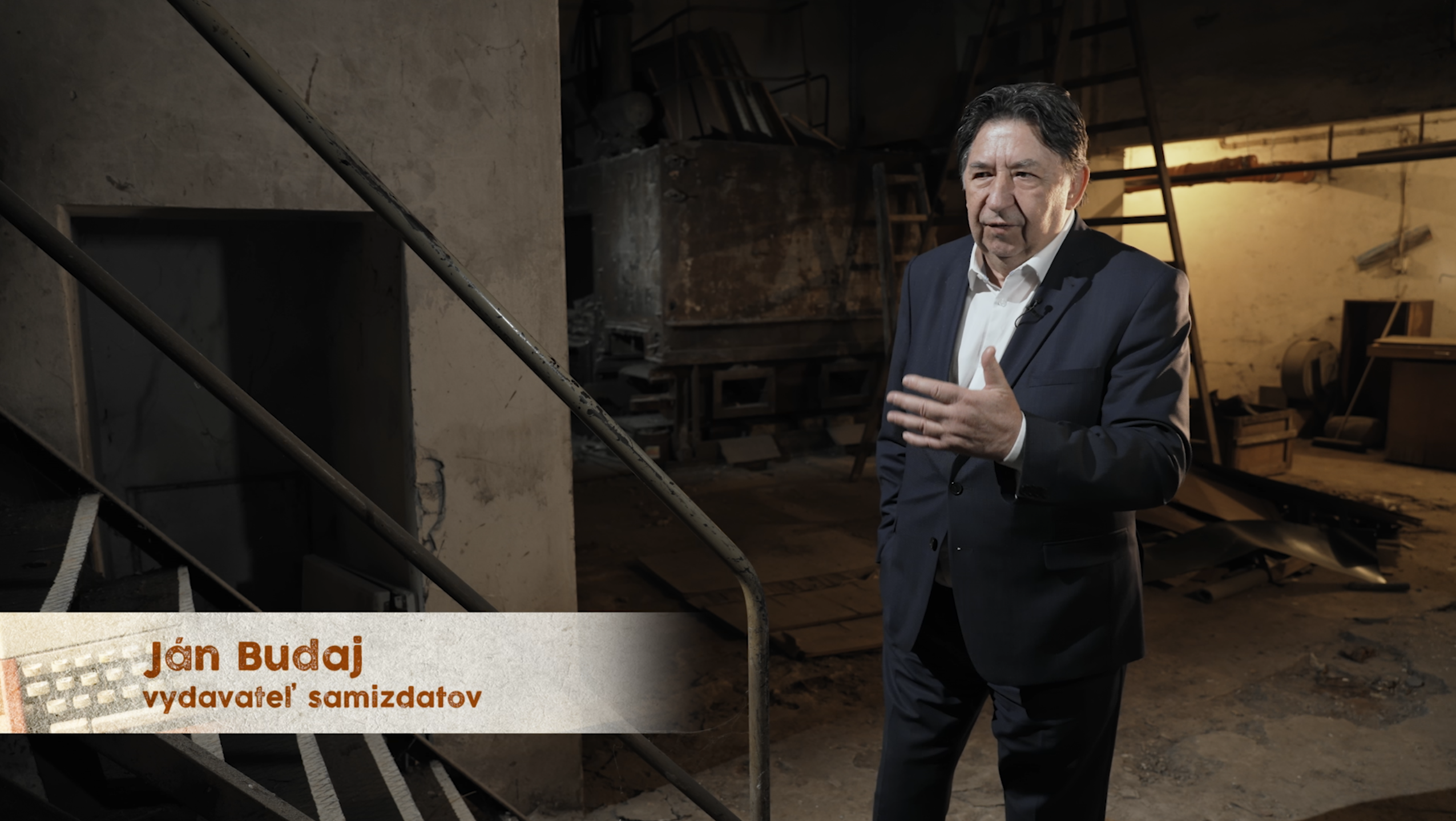
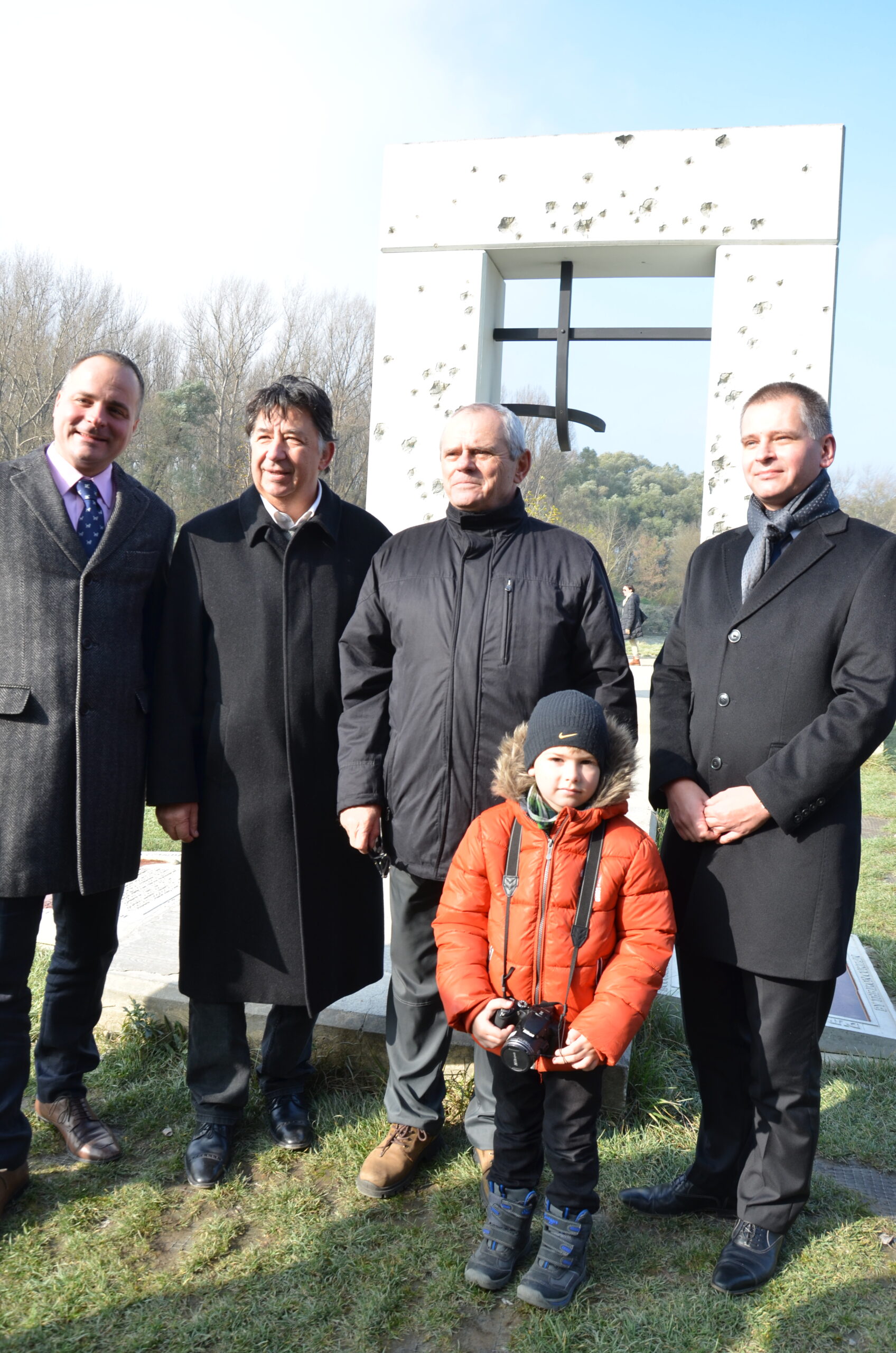
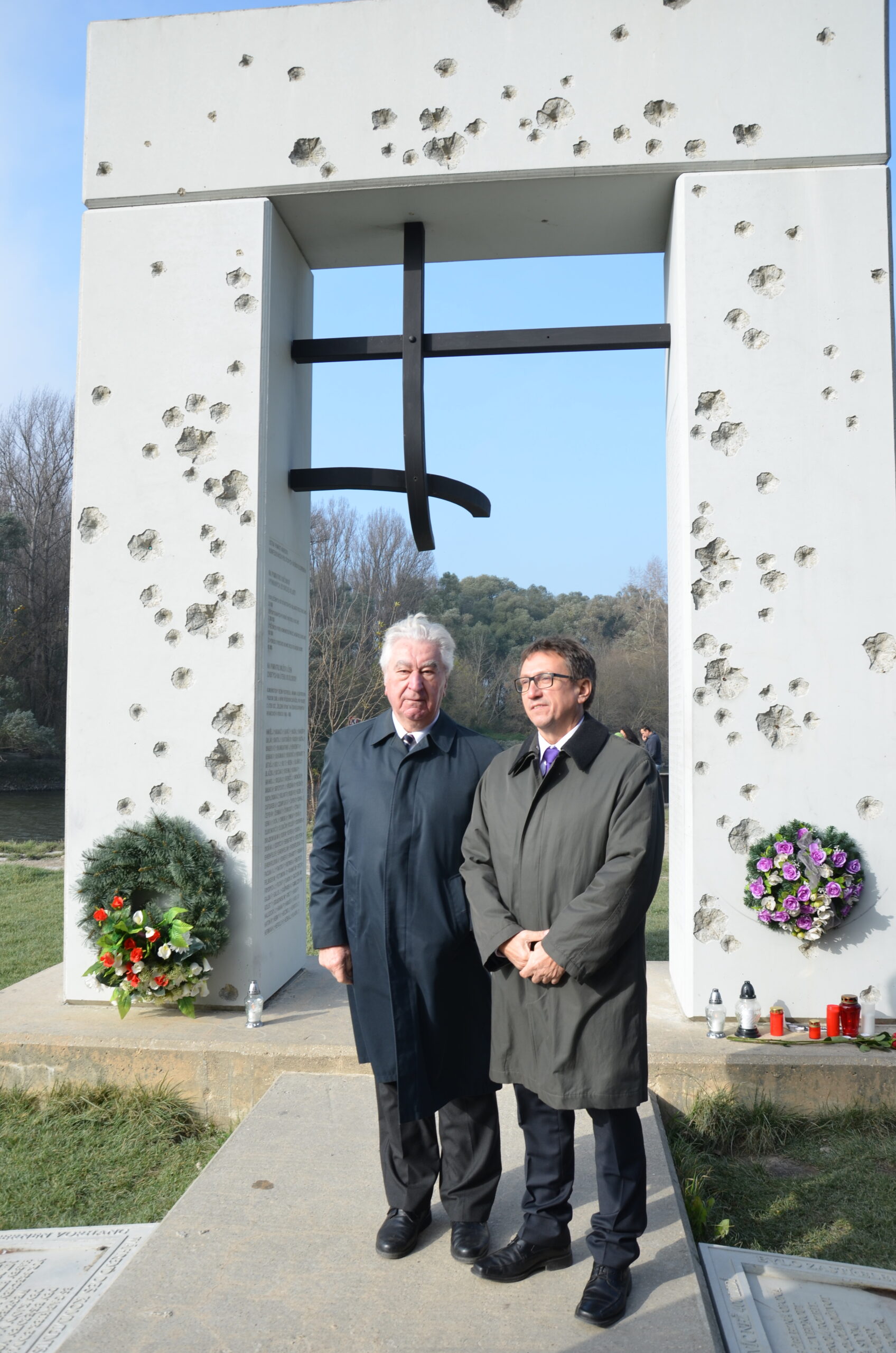
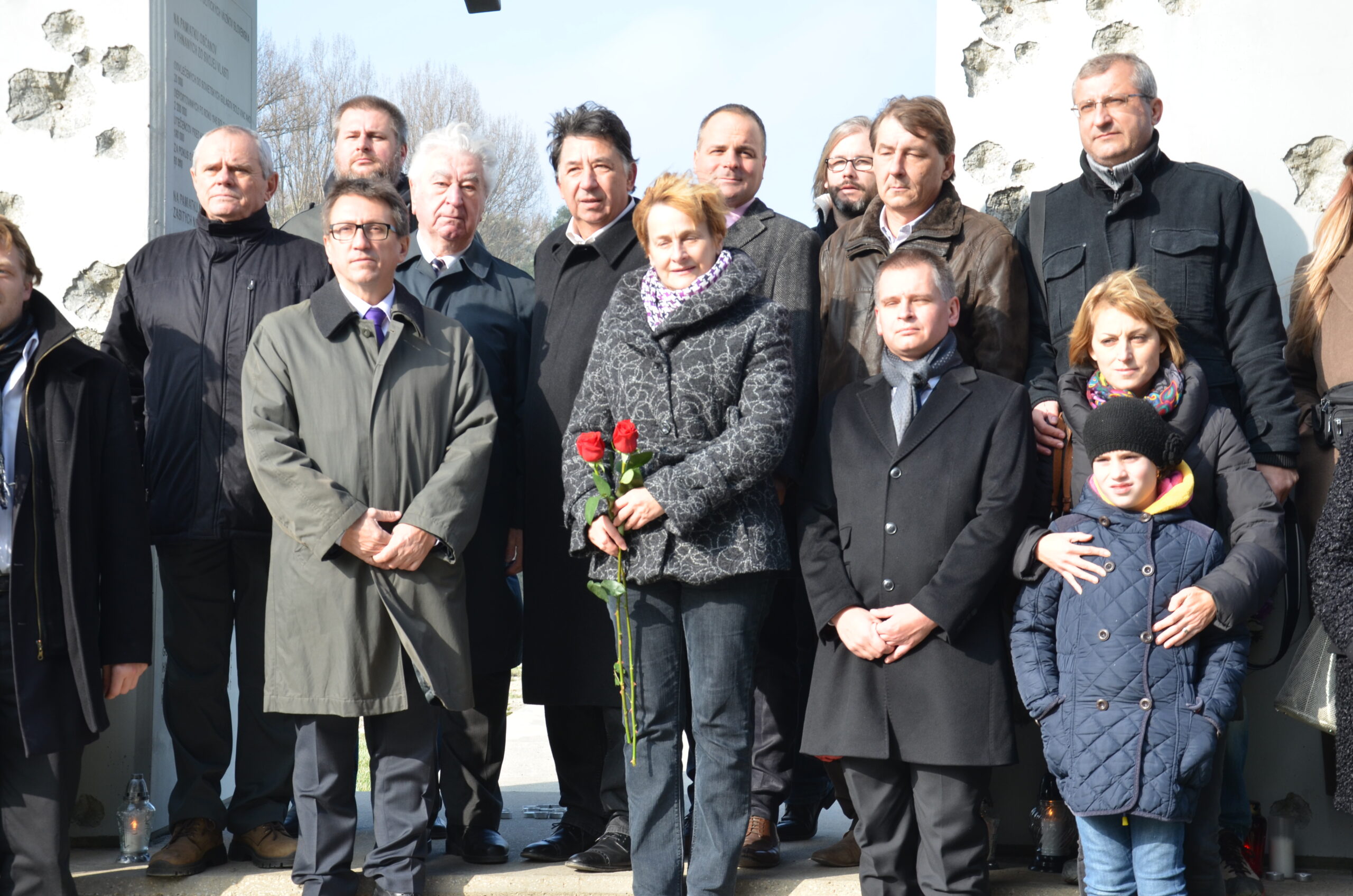
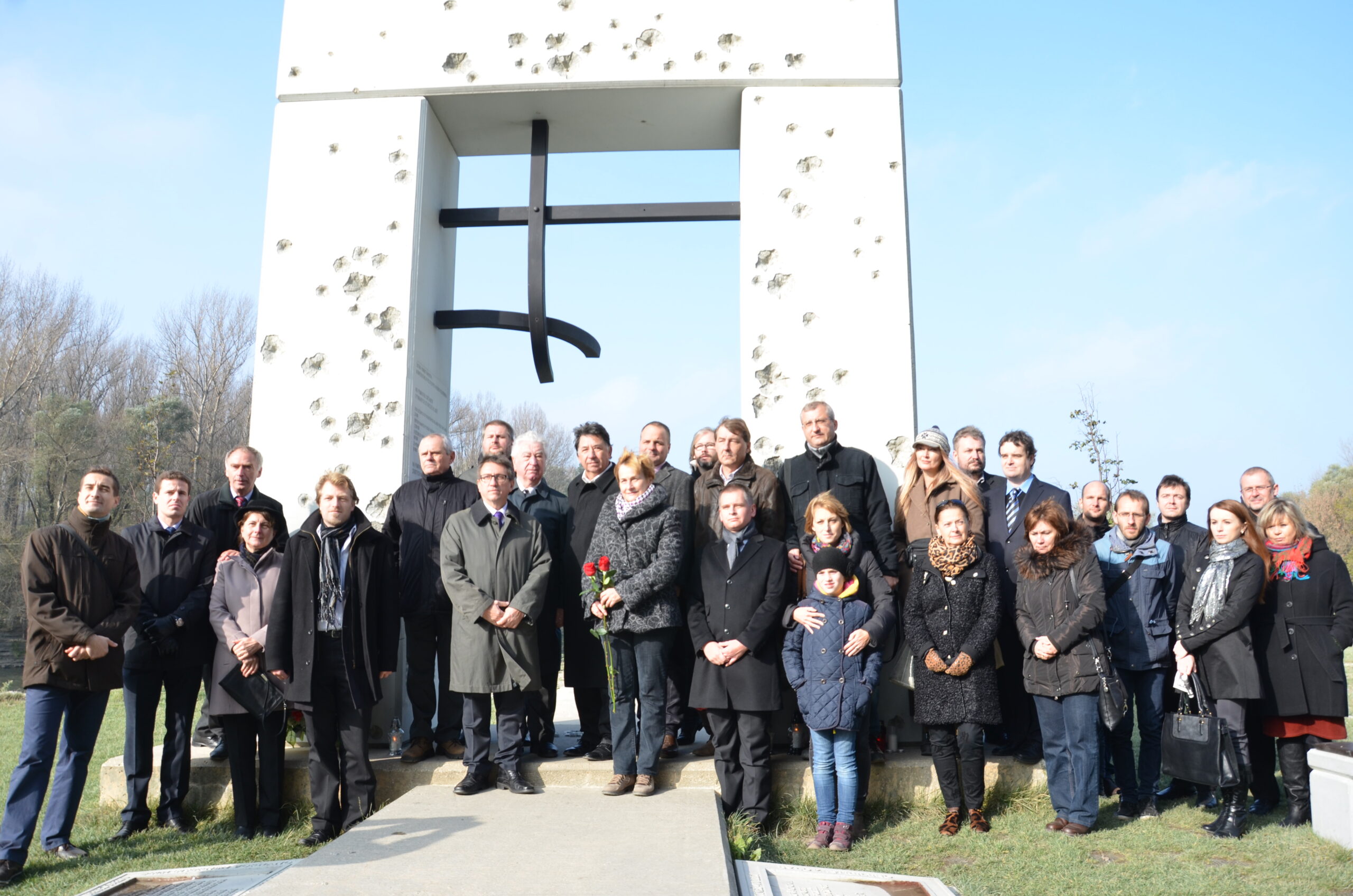
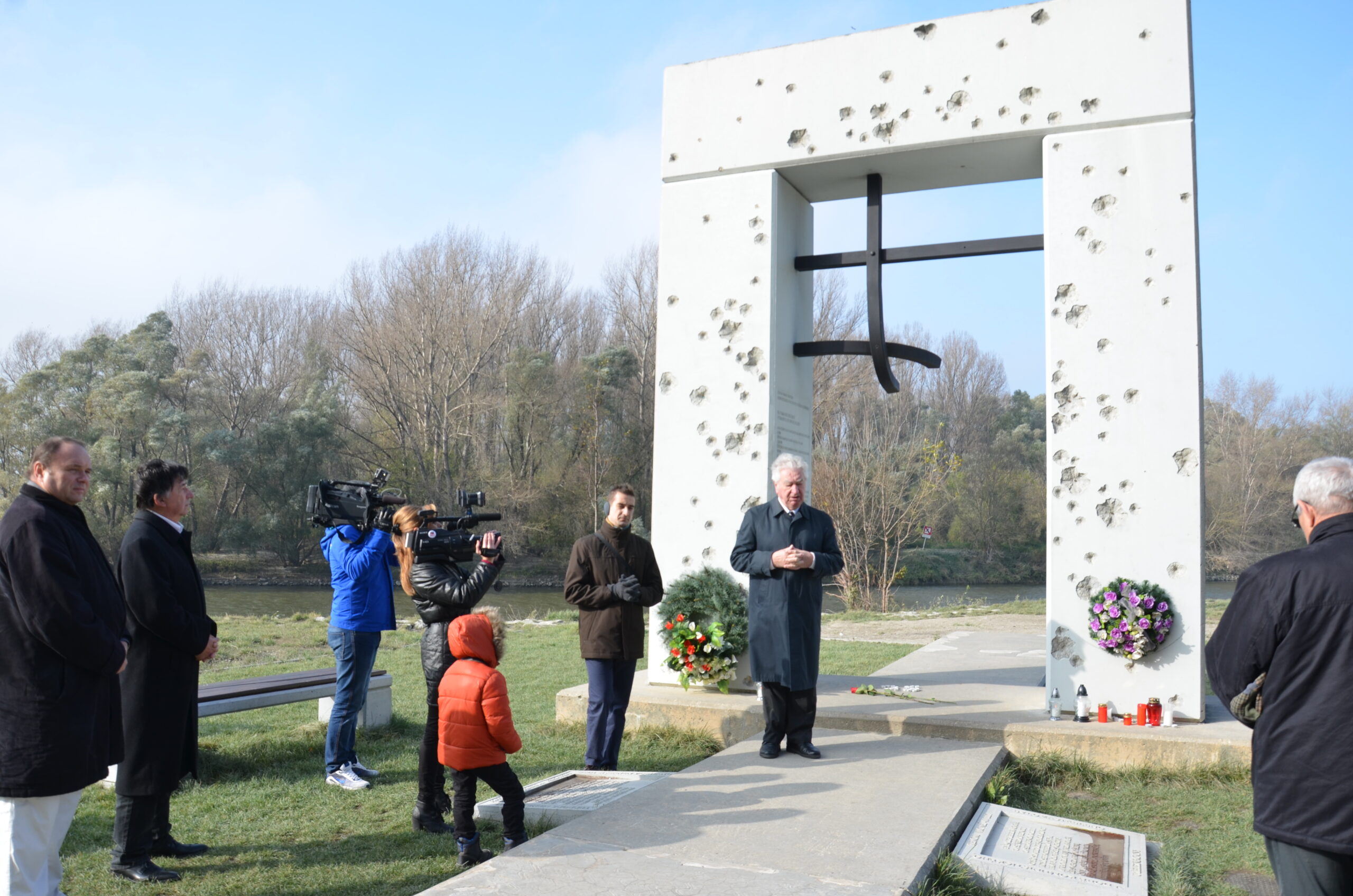
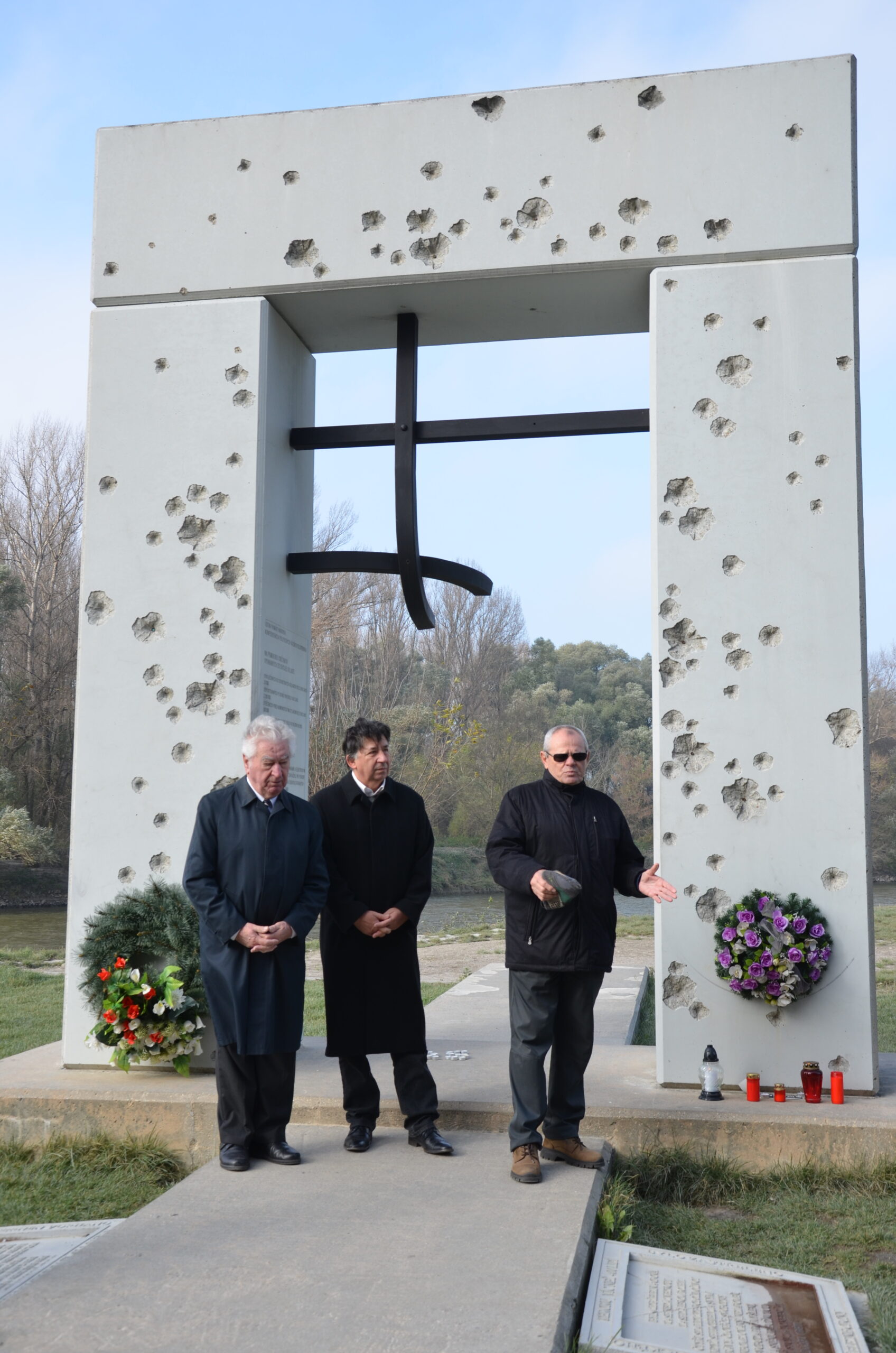
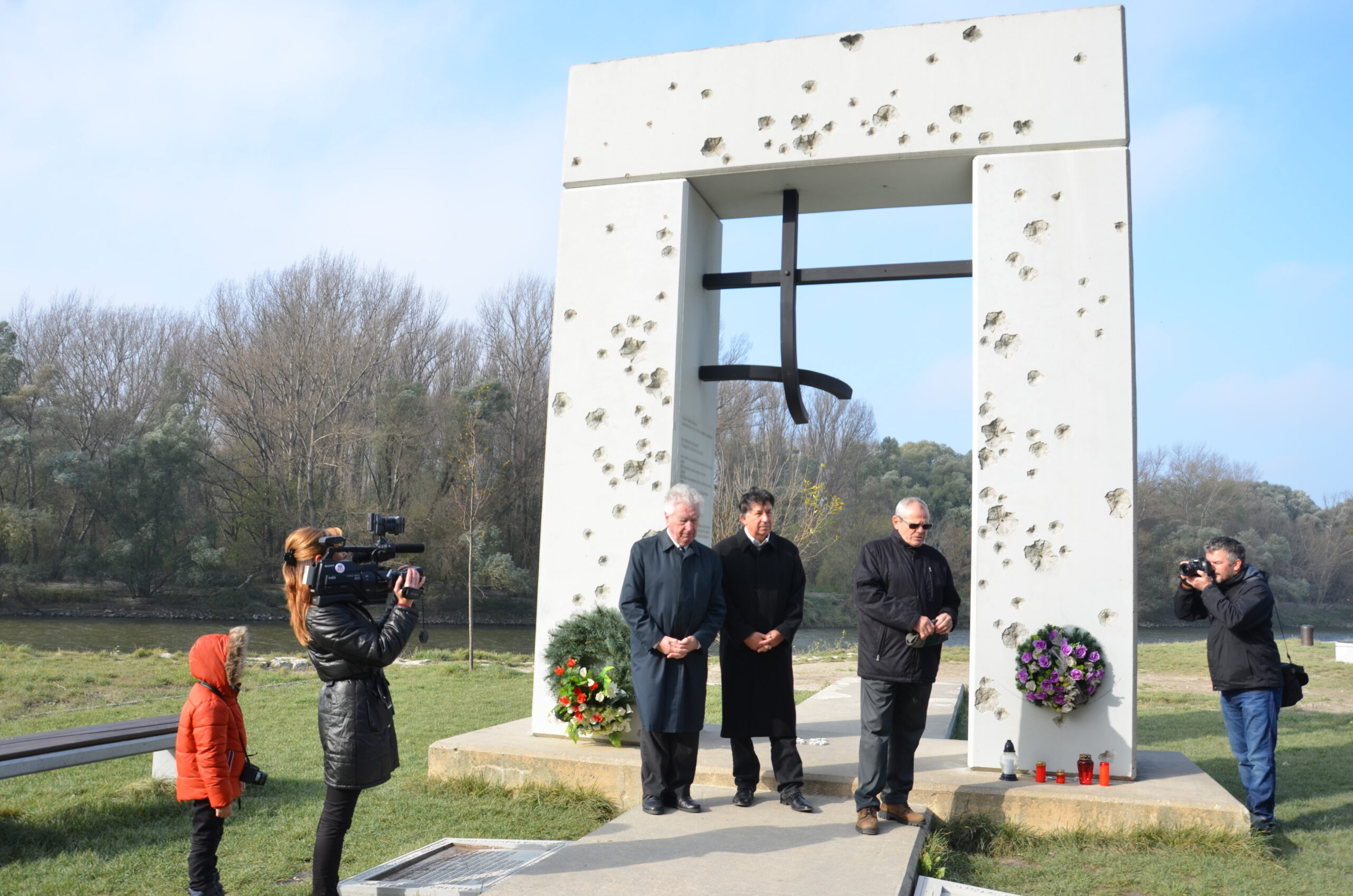
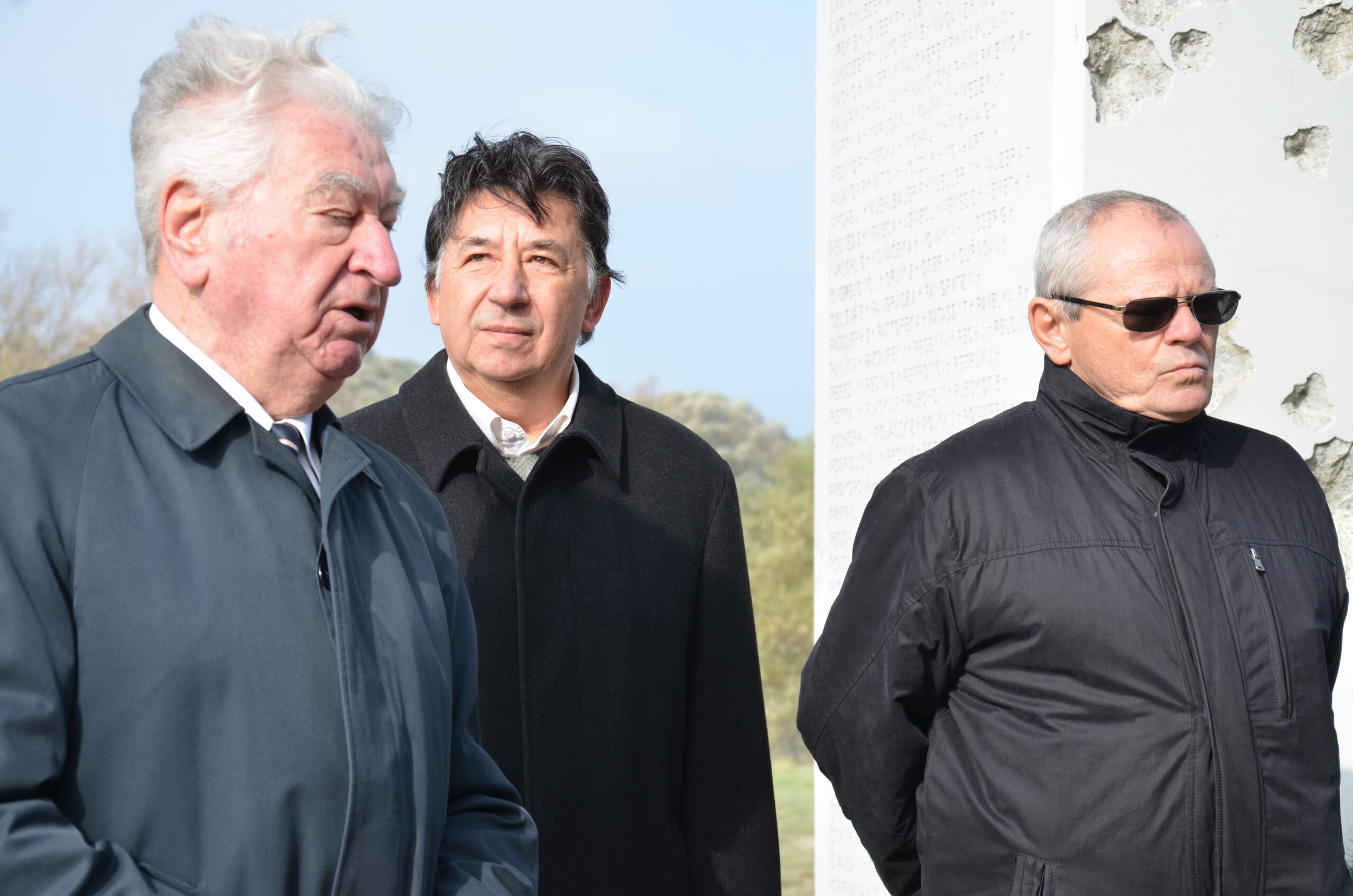
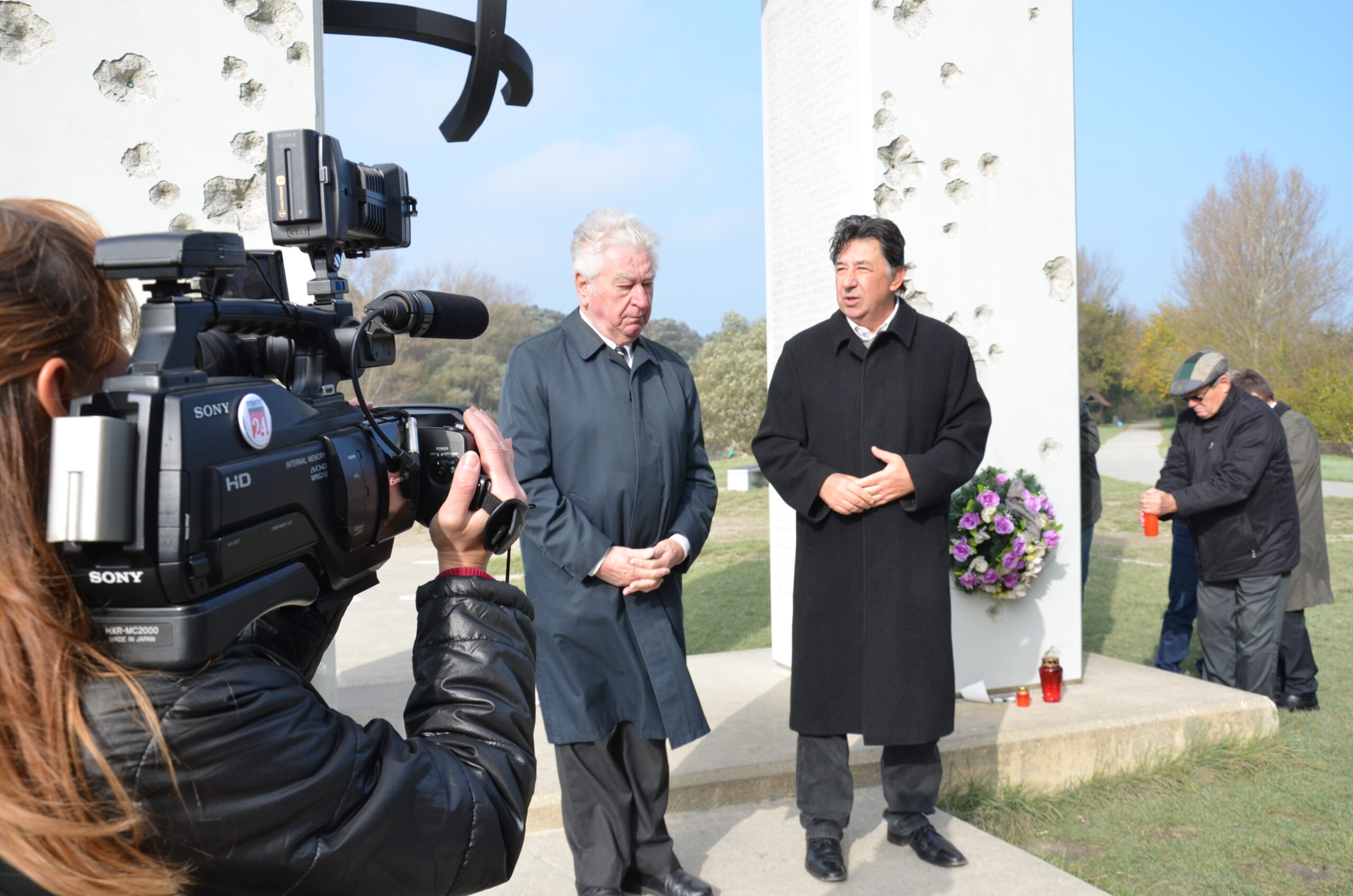
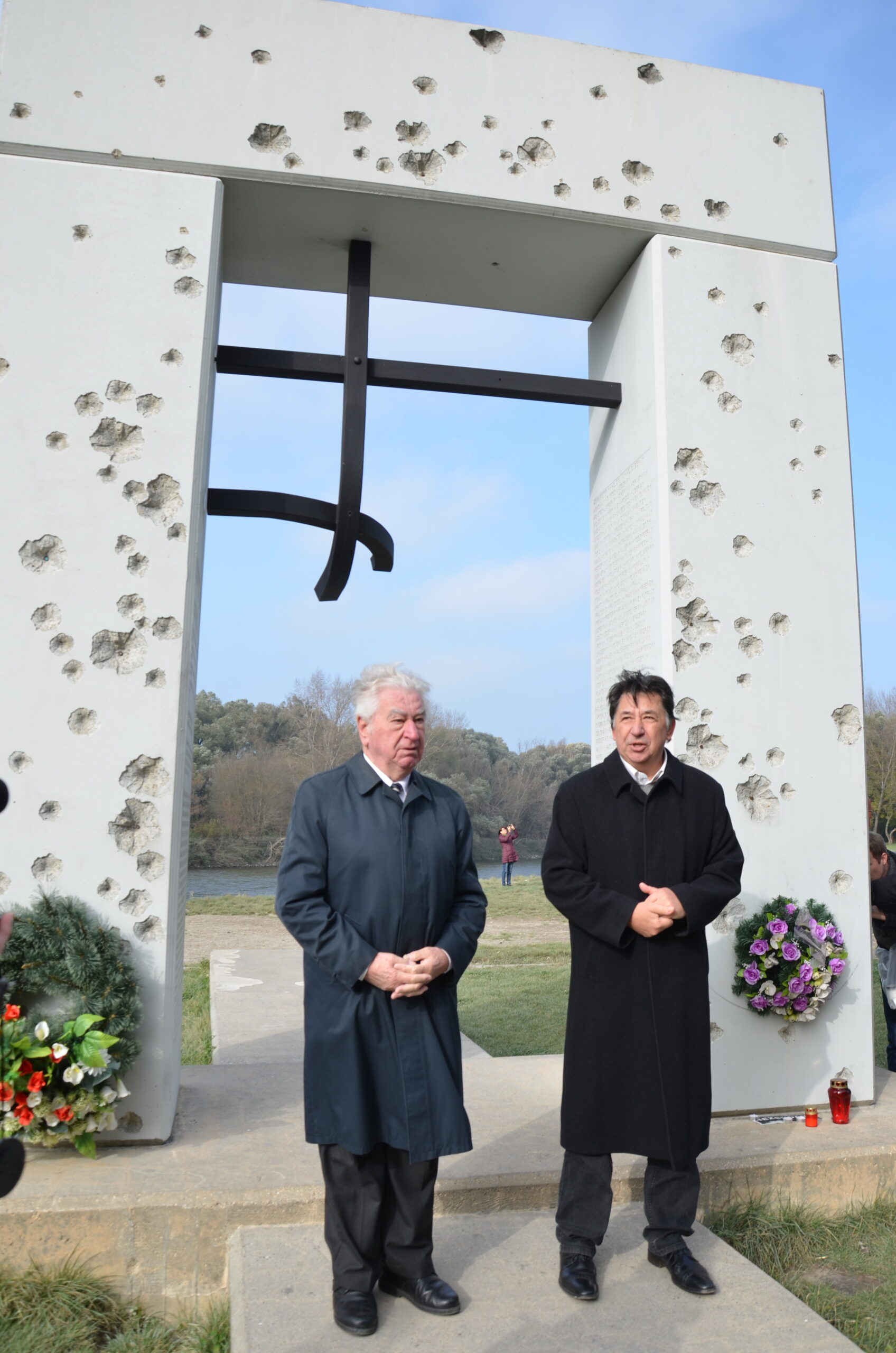
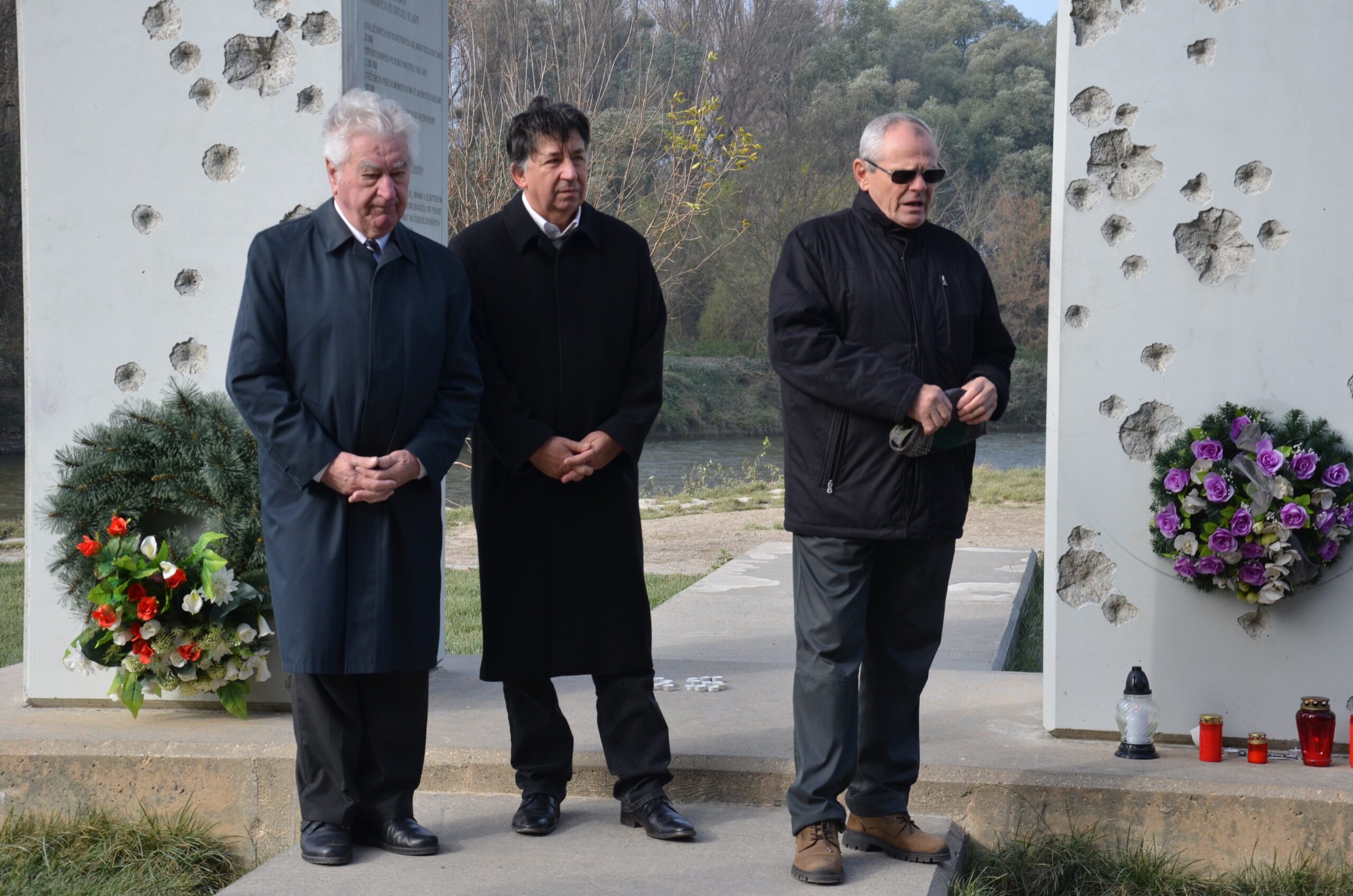
Exclusive interview with Anton Srholec, Ján Budaj, and Milan Kňažko at the Gate of Freedom

Places where history was written – and our future born.

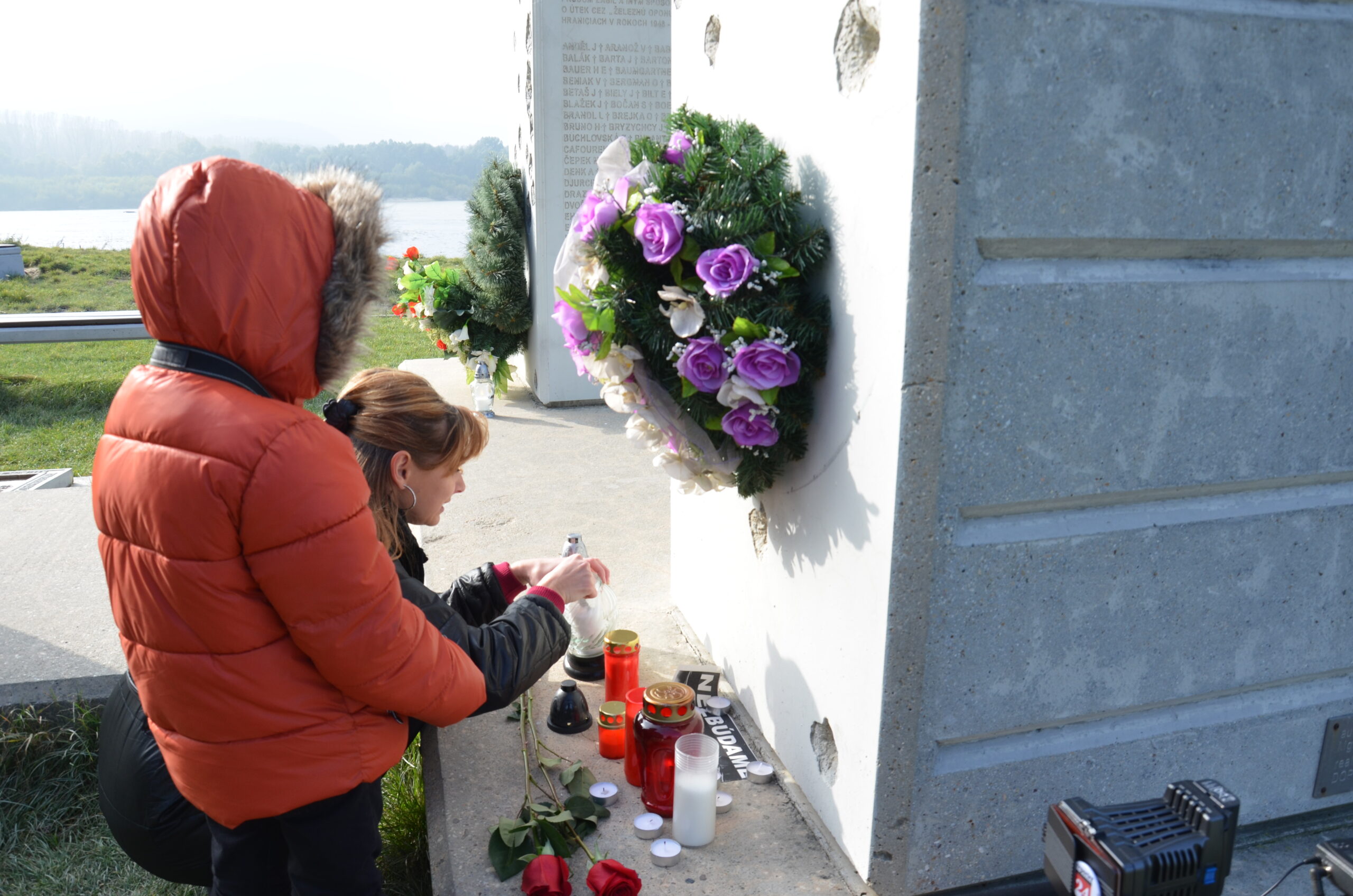
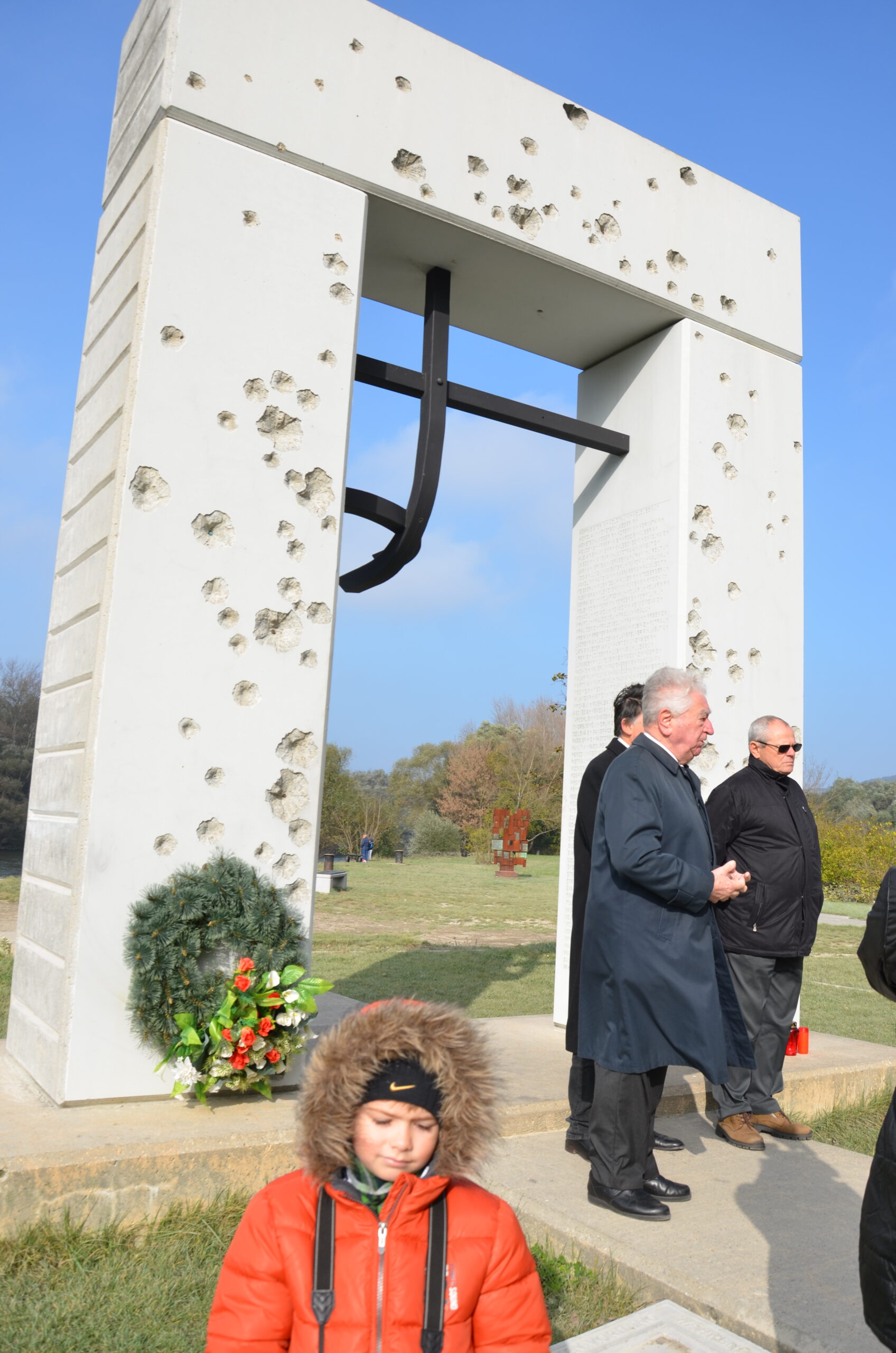
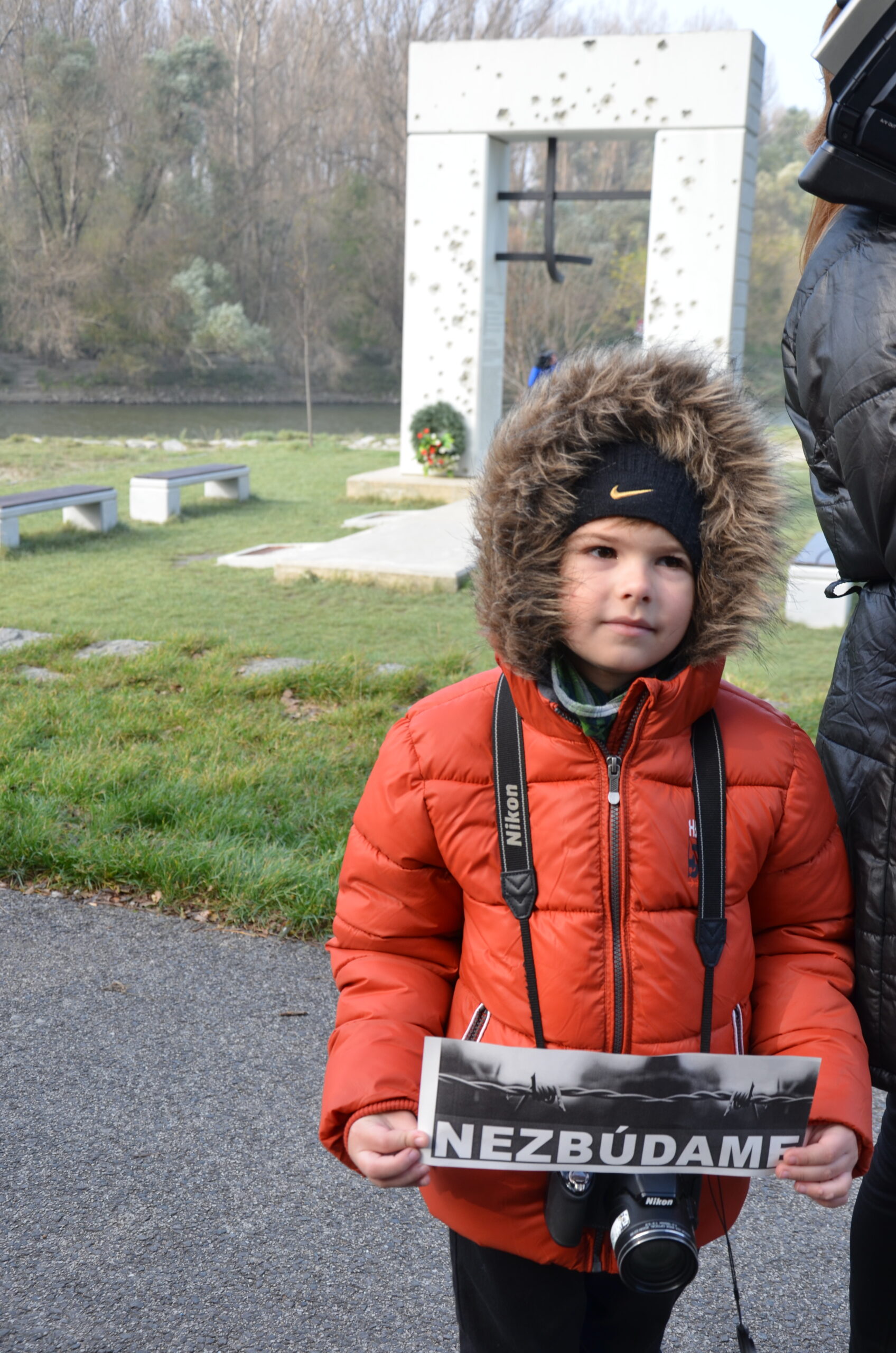
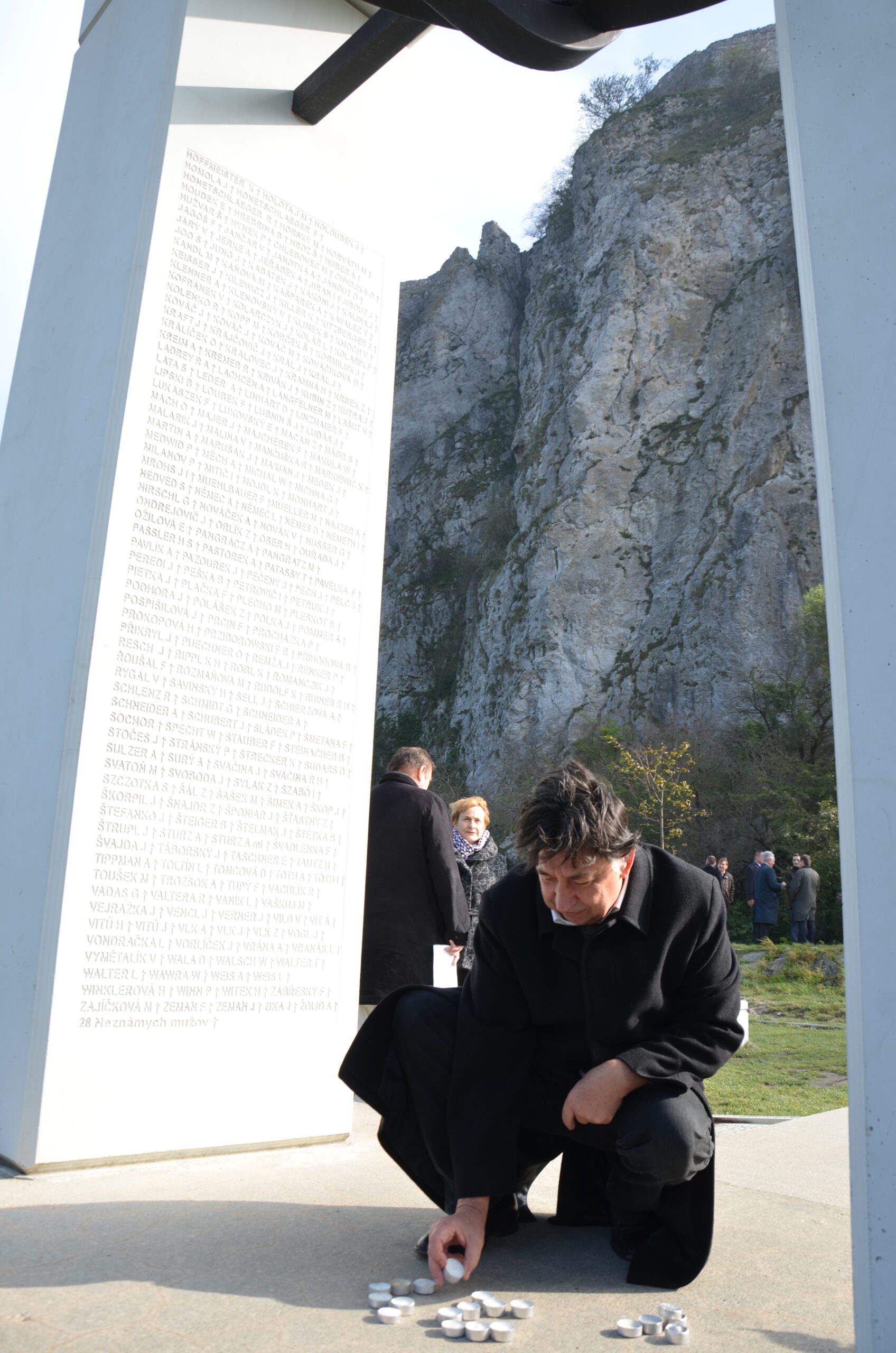
The Gate of Freedom at Devín.
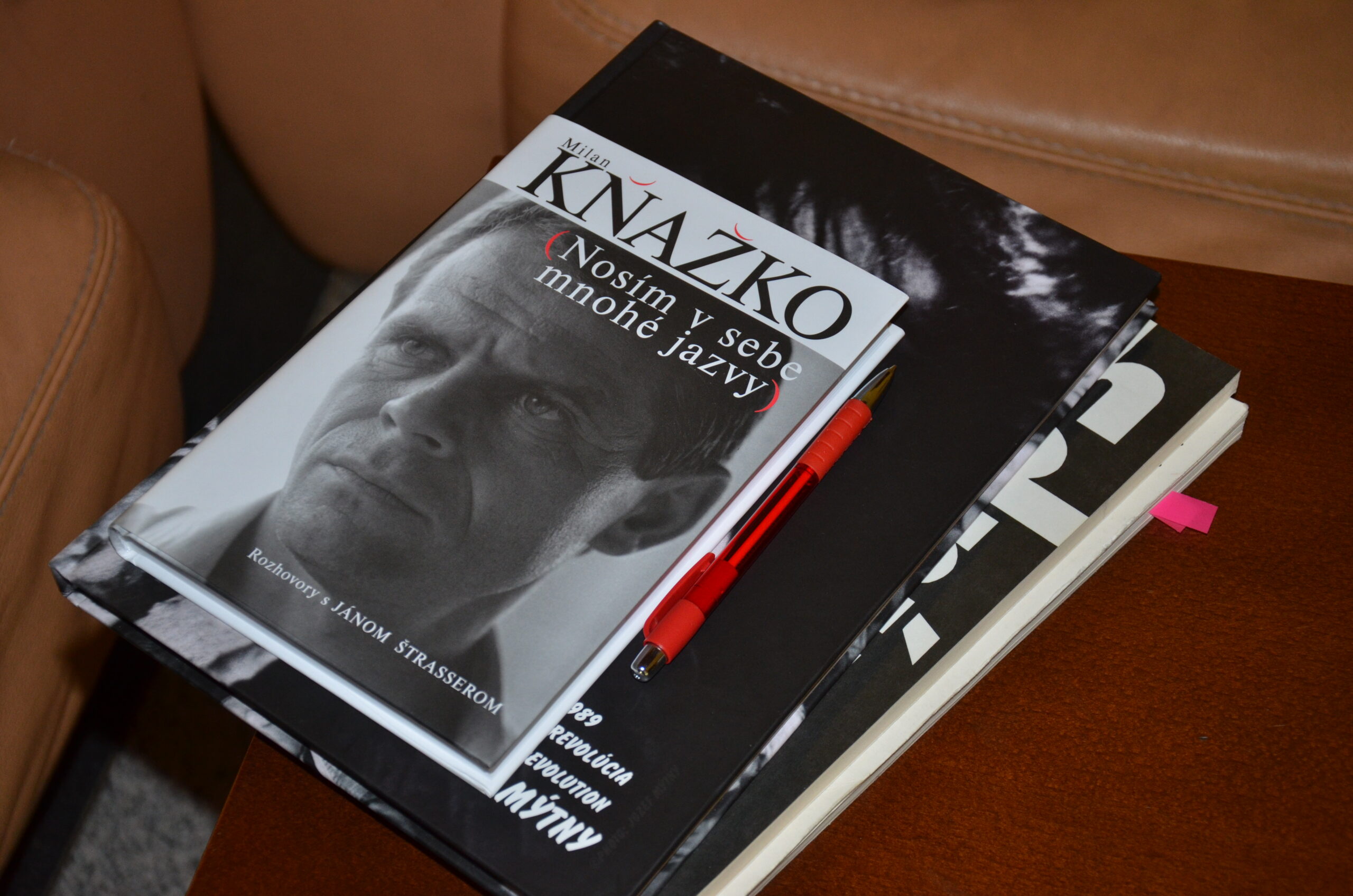
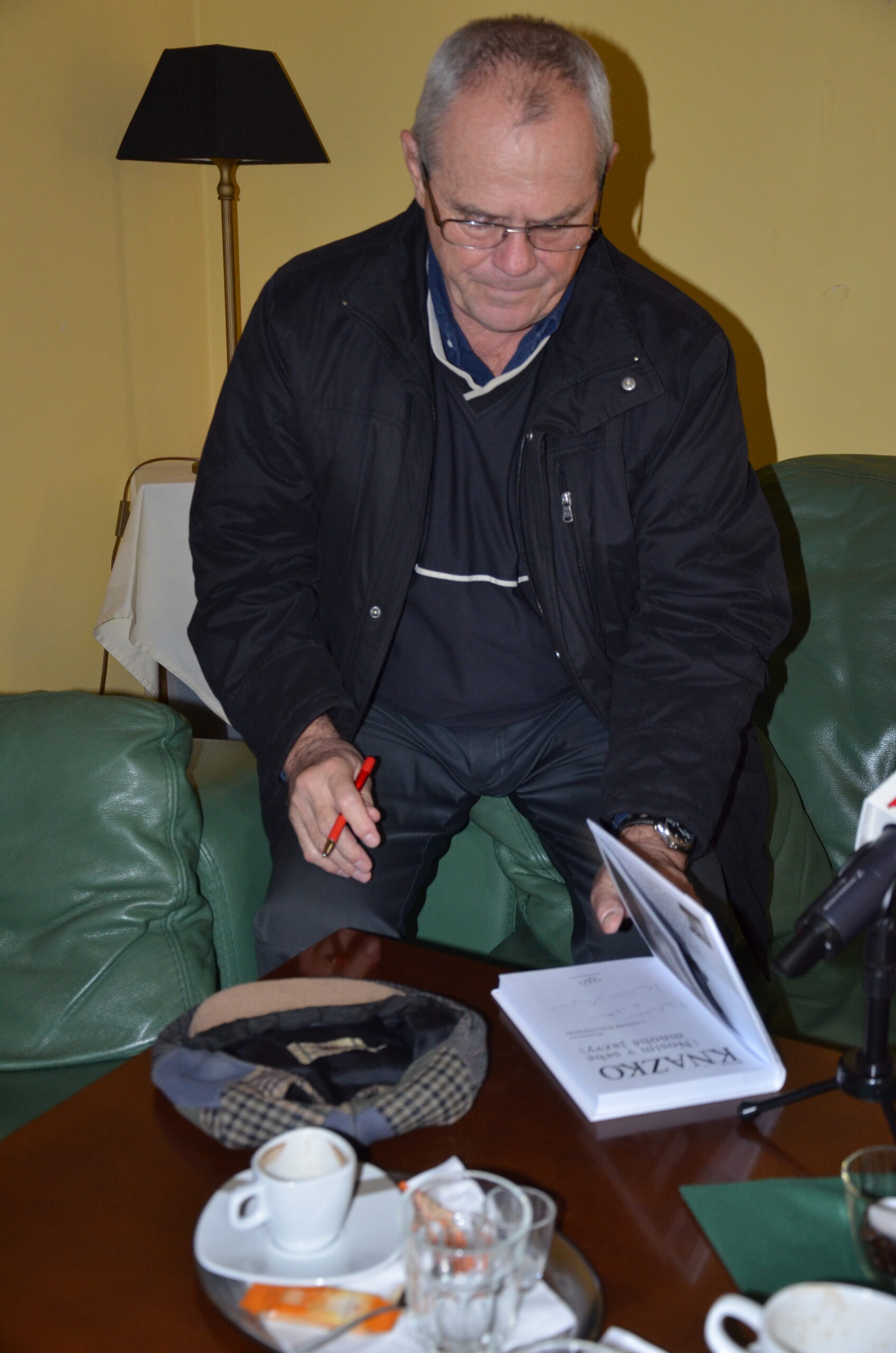
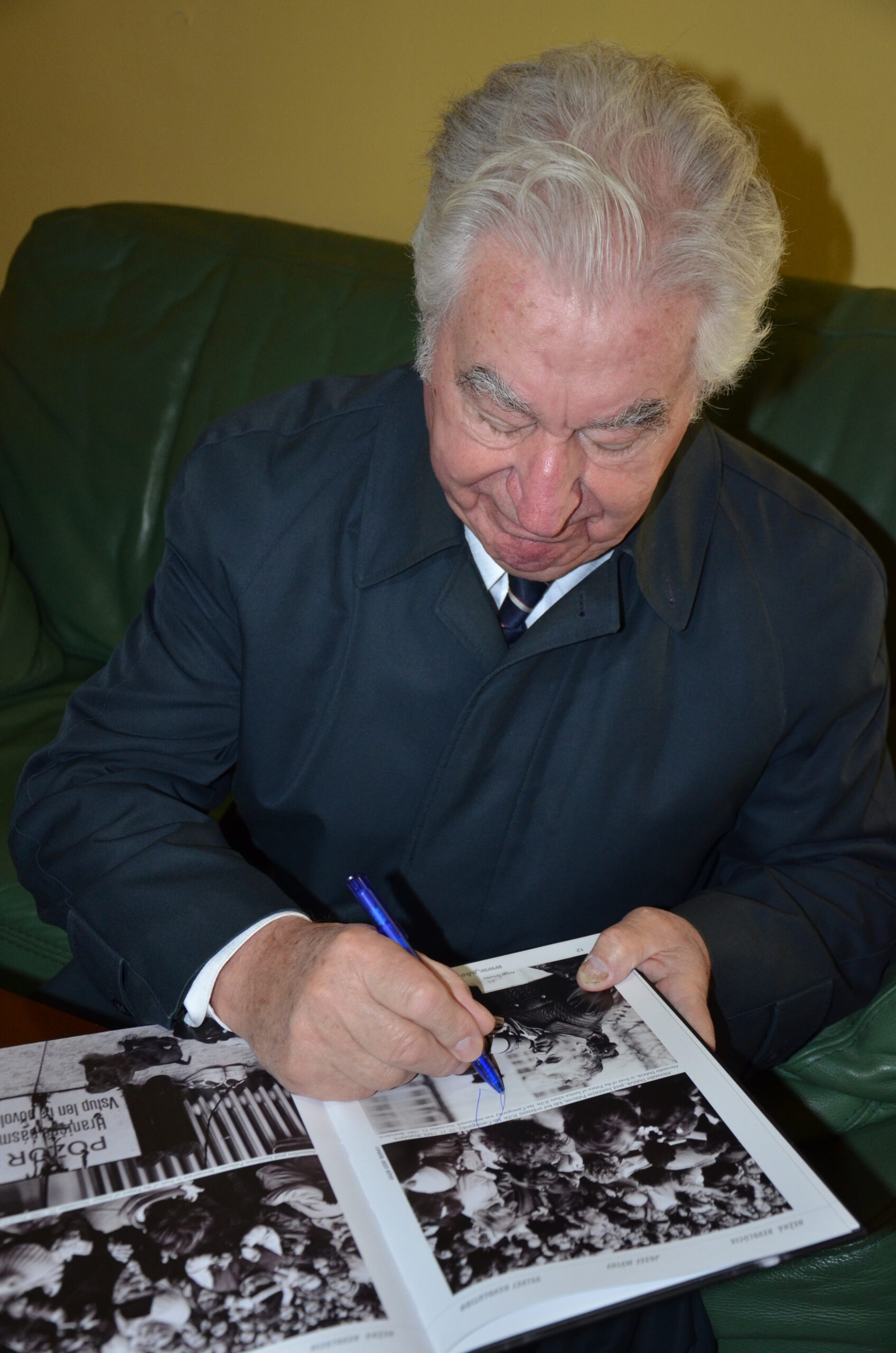
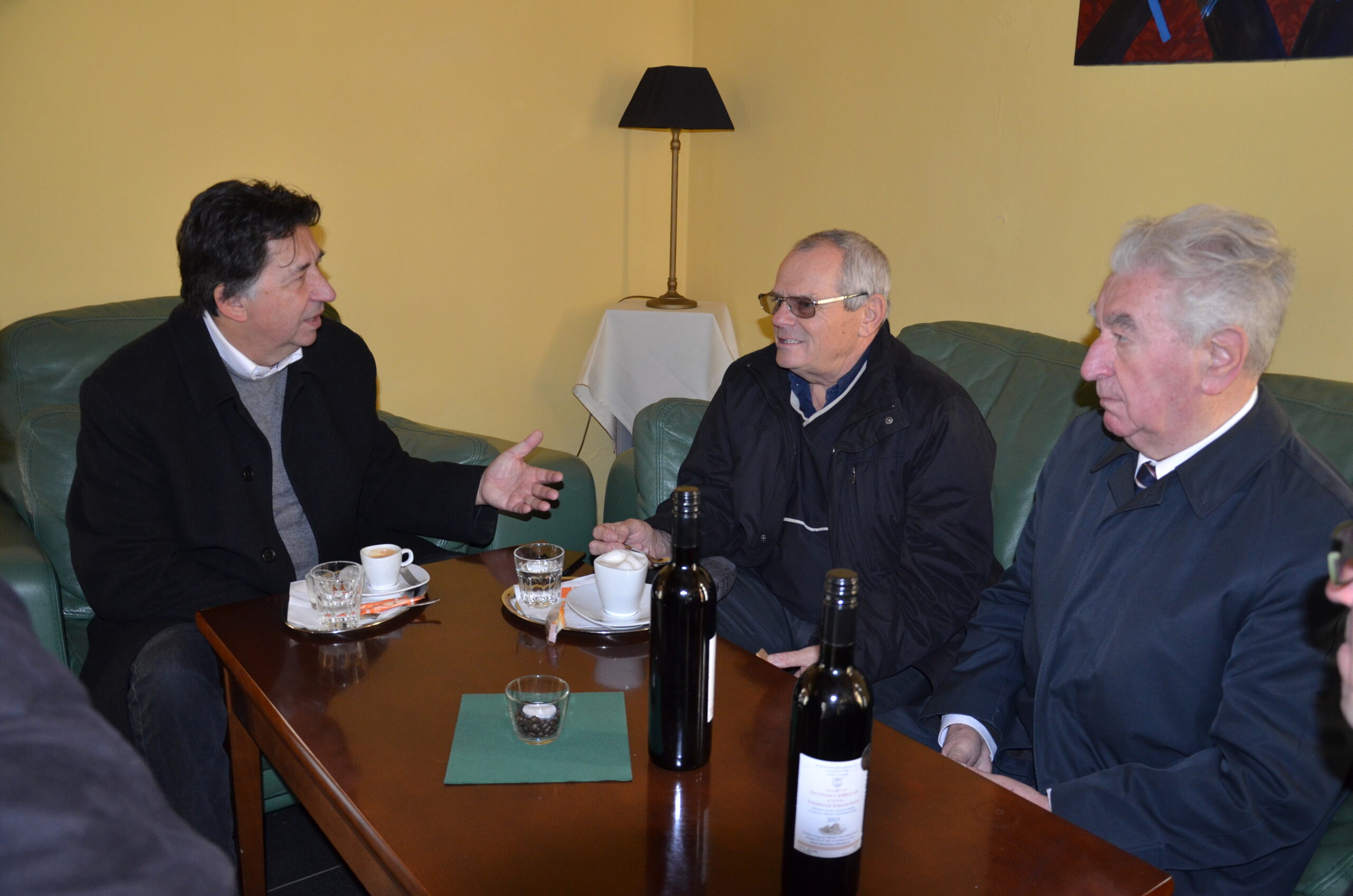
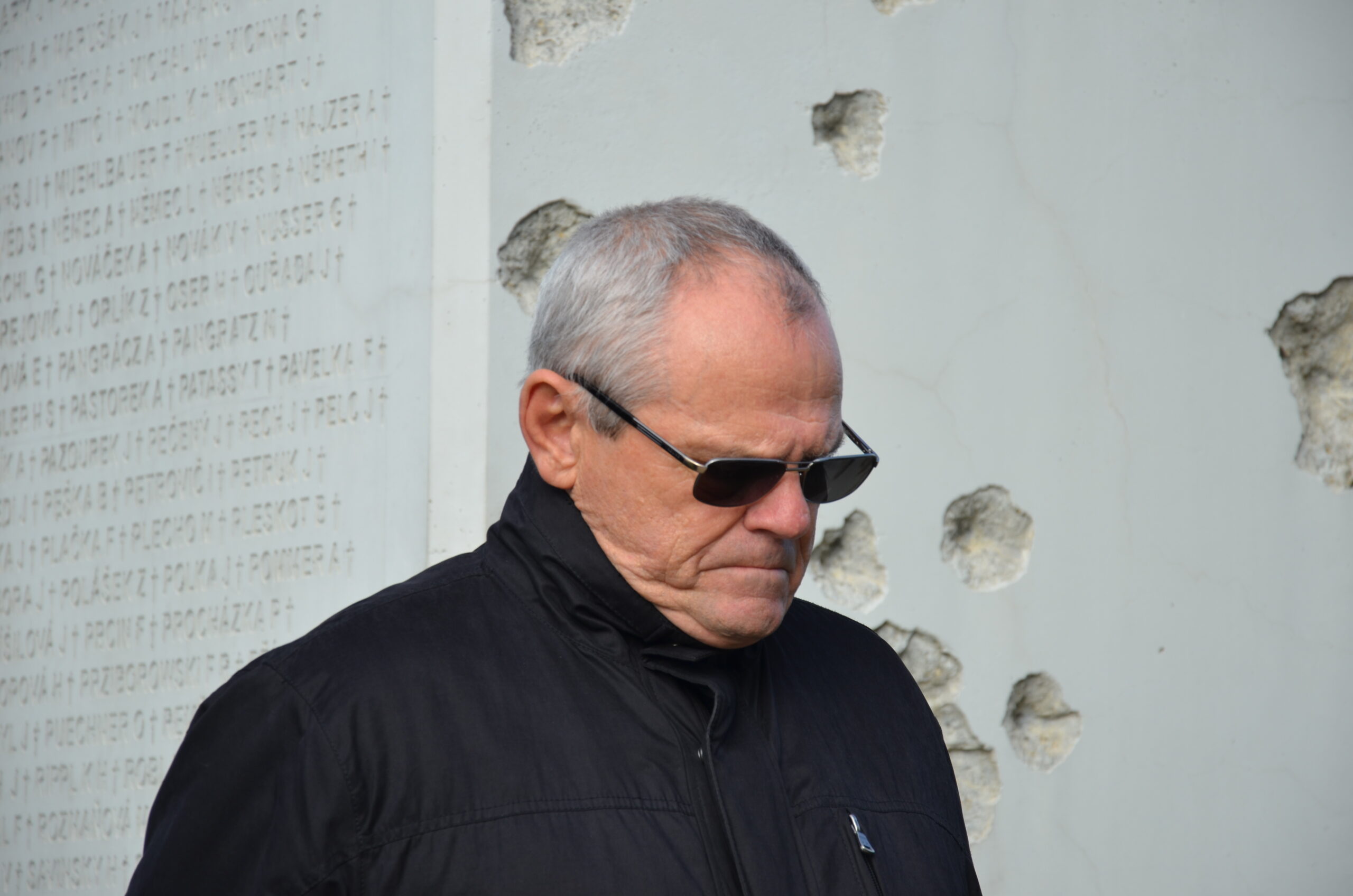
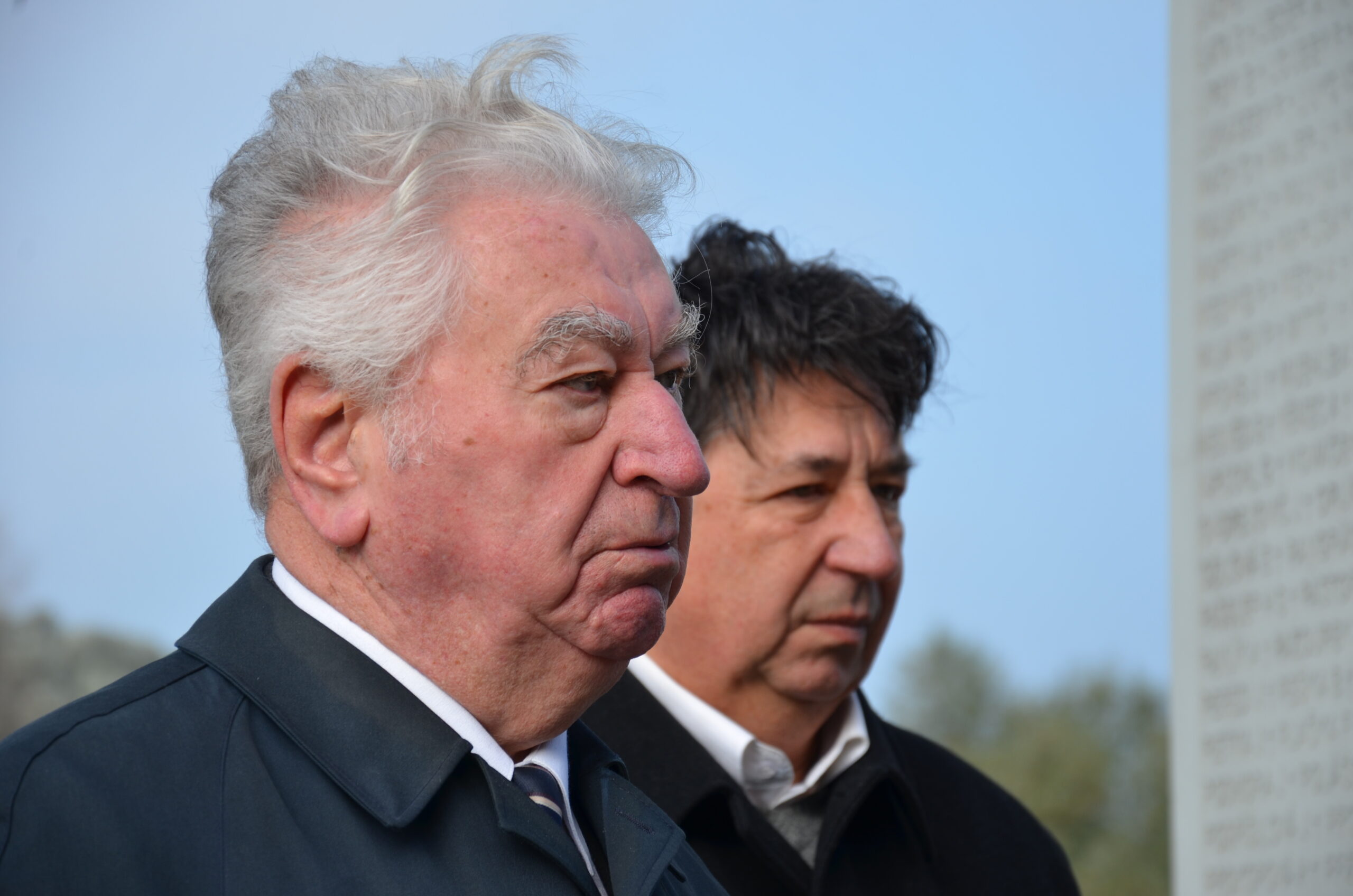
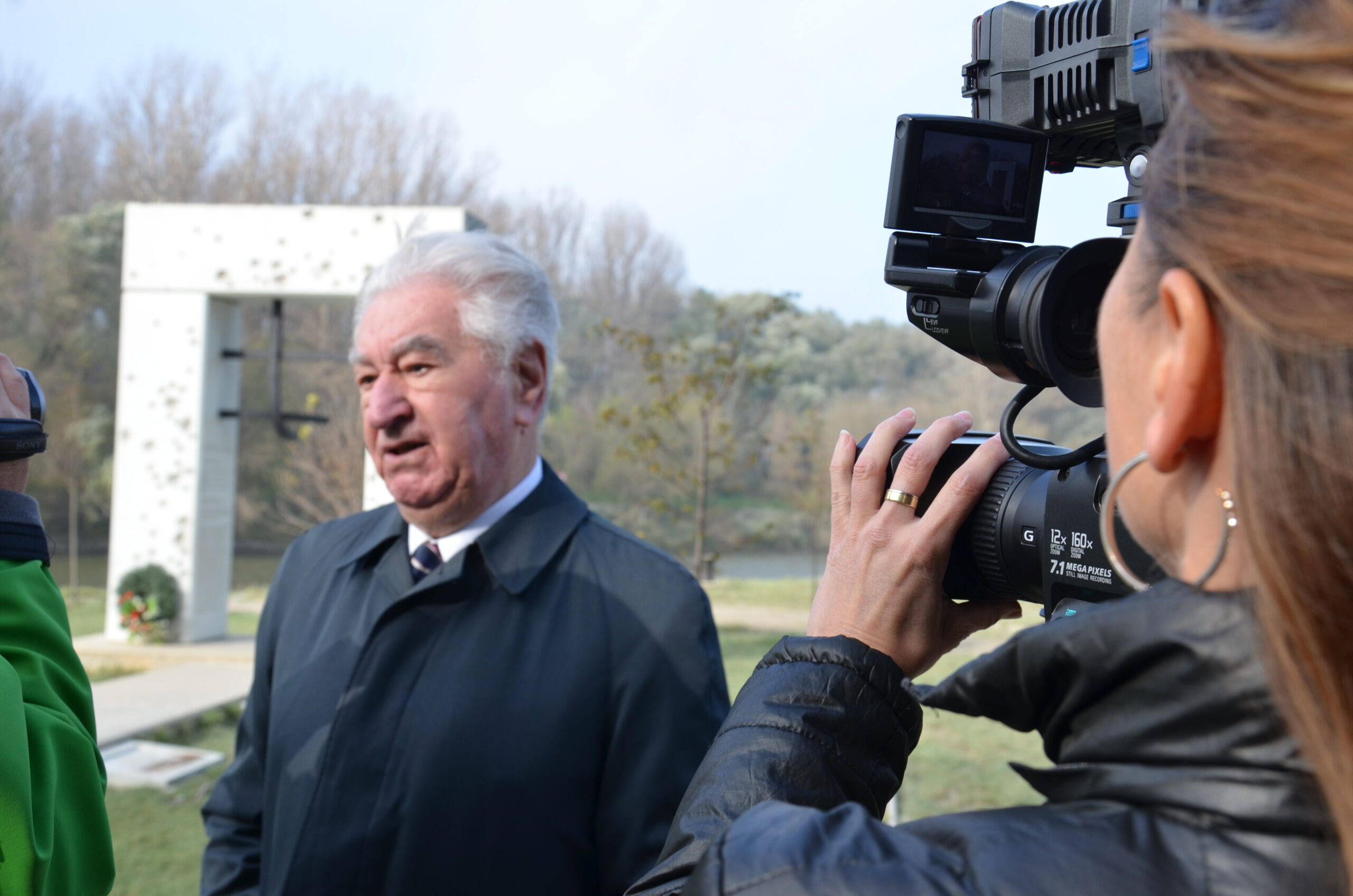
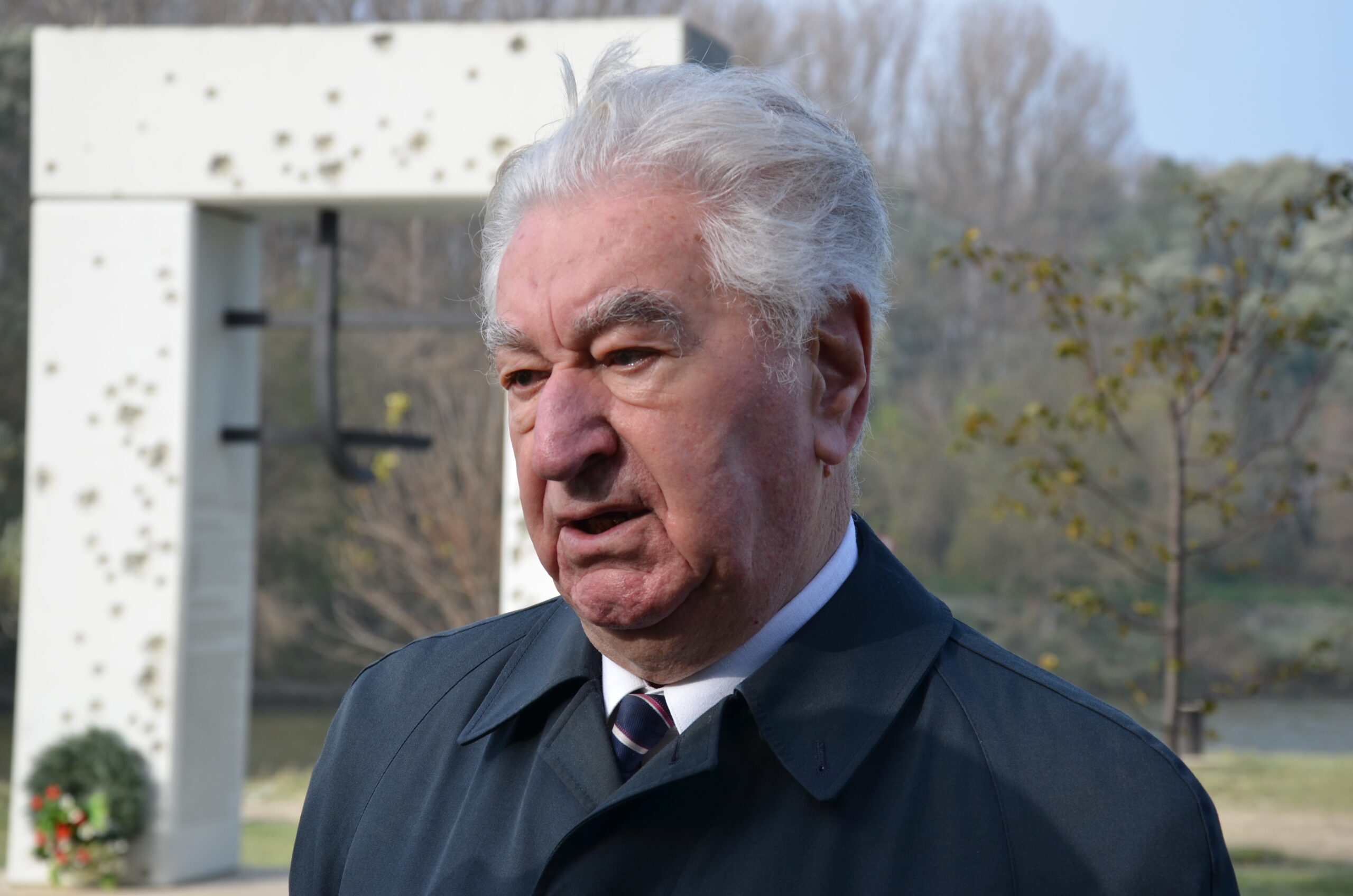
Anton Srholec, Milan Kňažko, and Ján Budaj – personalities who subsequently granted our outlet a unique joint interview, sitting together at one table.

They autographed books that are now part of the library of the Múzeum totality (Museum of Totalitarianism).

We remember you with deep respect, Father Srholec…

Articles:

Videos

Múzeum totality (Museum of Totalitarianism)

21 Videos
"Sbohem soudruzi" miniseries

Sbohem soudruzi

6 Videos

History Articles & Museum News

Read Also